Leaking Ceiling Repair Example: What to Do First
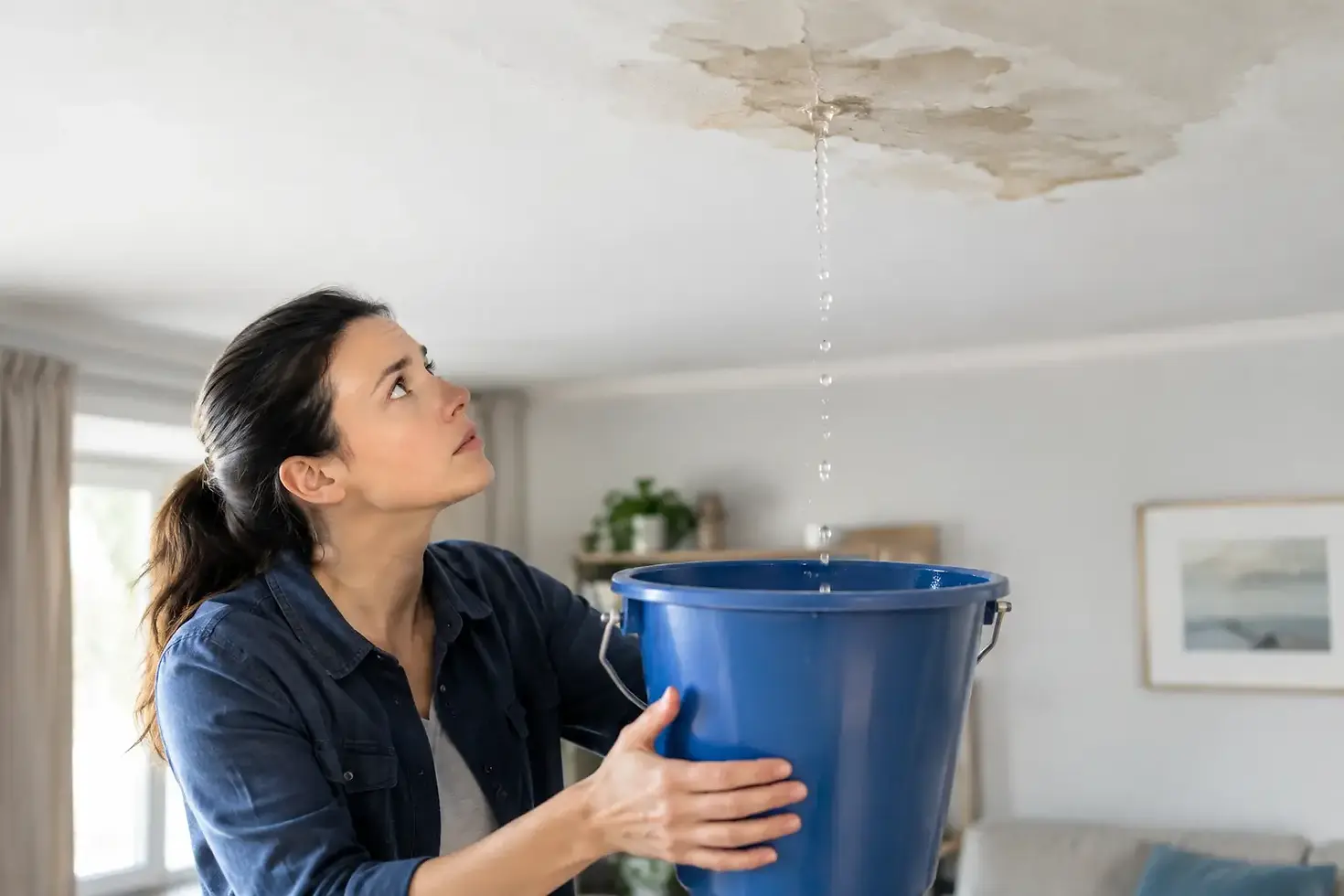
A brown spot spreading across a ceiling is more than a cosmetic issue. It can be the first visible sign of a plumbing leak, roof intrusion, failed fixture, or drain problem hidden above the finished surface. This leaking ceiling repair example shows why the right response is to stop the water source, protect the area below, and have a qualified professional identify the actual cause before repairs begin.
For Staten Island homeowners, landlords, and business owners, a ceiling leak can quickly interrupt daily routines, damage finishes, and create concerns about electrical safety or mold. Acting early usually gives you more options and can reduce the scope of the repair.
A Leaking Ceiling Repair Example From Start to Finish
Consider a second-floor bathroom located above a first-floor living room. The homeowner notices a small, yellow-brown ring on the living room ceiling after several family members take showers. A few days later, the spot becomes soft to the touch and a slow drip begins.
The immediate temptation is to patch or paint the ceiling. That would hide the symptom, not solve the problem. In this example, the leak is connected to a deteriorated shower drain connection beneath the bathroom floor. Water is escaping only when the shower is in use, then collecting in the ceiling cavity below.
A professional repair begins with narrowing down when the leak occurs. Does water appear after flushing a toilet, running a sink, showering, or using an upstairs appliance? Does it happen during heavy rain? Those details help distinguish between a supply-line leak, drain leak, fixture failure, roof issue, or condensation problem.
After inspecting the bathroom fixtures and the affected ceiling area, the plumber may need controlled access to the ceiling or surrounding wall. Opening a small section is not always welcome, but it is often the responsible way to confirm the source, inspect the extent of moisture, and complete a repair that lasts. The goal is to make the smallest practical opening while avoiding guesswork.
Once the failed drain connection is repaired and tested, the wet ceiling materials are assessed. Saturated drywall, insulation, or plaster may need to be removed so the space can dry properly. Only after the plumbing is repaired and the area is dry should ceiling restoration, patching, and painting move forward.
Why a Ceiling Leak Is Not Always a Ceiling Problem
Water follows framing, pipes, wiring paths, and gravity. The stain you see may be several feet from the actual source. A leak that appears near a light fixture, for example, could originate from a bathroom drain or water line farther away.
That is why a ceiling repair should not start with surface work alone. A dependable diagnosis considers the building layout, what is directly above the affected area, when the leaking happens, and whether water is clean, gray, or potentially contaminated.
A clean-water supply leak can still cause major material damage if it goes unnoticed. A leak from a toilet drain, shower drain, or waste line requires more caution because the water may be unsanitary. If sewage is involved, avoid contact with the water and keep people and pets away from the affected area until it can be assessed.
Roof leaks can also mimic plumbing failures. If staining grows after rain but not after using fixtures, the source may be flashing, shingles, a roof penetration, or another exterior issue. An experienced professional can help rule out plumbing causes rather than sending you into an unnecessary repair.
What to Do When Water Starts Dripping
First, keep people away from the wet area, especially if water is near a light, outlet, ceiling fan, or electrical panel. Do not touch wet electrical fixtures. If it is safe to do so, turn off power to the affected area at the breaker.
Place a container under an active drip and move furniture, electronics, rugs, and valuables away from the area. If the ceiling is visibly sagging or bulging, do not stand beneath it. A water-loaded ceiling can release suddenly and may contain more water than the stain suggests.
Next, stop using the fixture above the leak if you suspect a plumbing issue. That may mean pausing showers, sinks, toilets, dishwashers, washing machines, or other nearby equipment until the source is identified. If a supply line may be leaking continuously, shut off the local fixture valve if you know where it is and it can be done safely. Otherwise, the main water shutoff may be necessary.
Take a few photos or a short video for your records, but do not delay service to document every detail. Note when you first saw the leak, what was running at the time, and whether it gets worse with certain fixtures or weather conditions. This information can help the repair move faster.
What a Professional Ceiling Leak Repair Should Include
The quality of the repair depends on the diagnosis. A proper service call is not simply a matter of cutting out damaged drywall and replacing a pipe section. The work should begin with identifying the source and testing the repair before the area is closed.
For a plumbing-related leak, this can include checking supply lines, drain assemblies, traps, shower pans, toilet seals, valves, and appliance connections. Depending on the property, leak detection methods may help locate the problem with less invasive access. In older homes and multifamily buildings, piping routes and previous repairs can add complexity, so the repair plan may need to adapt once the affected area is opened.
The professional should explain what was found, what repair is recommended, and what work may still be needed after the plumbing is complete. Plumbing repair and finish restoration are often separate steps. A licensed and insured contractor can address the plumbing failure, while drywall, insulation, painting, and possible water remediation may require additional work depending on the damage.
There is a trade-off between opening a little more material now and risking an incomplete repair. A small access opening may be enough for a simple exposed pipe leak. For a drain leak concealed under a shower or inside a floor system, more access may be necessary to inspect connections and verify that everything is dry and secure. Clear communication matters here because the least expensive-looking option is not always the one that protects the property best.
Common Causes Behind Ceiling Water Damage
Many ceiling leaks come from ordinary components that have worn down, shifted, cracked, or been installed improperly. Bathroom leaks are common because showers, tubs, toilets, and sinks combine frequent water use with multiple concealed connections.
A failed wax ring beneath a toilet may leak when the toilet is flushed. A loose shower drain can leak only when water pools around it. A pinhole in a copper line or a failing water line connection may drip continuously, even when no fixture is running. Washing machine hoses, refrigerator water lines, and upstairs HVAC condensate drains can also cause ceiling damage.
Commercial properties may face different patterns. A leak above a tenant space can involve restroom fixtures, break-room plumbing, rooftop equipment, or shared building piping. Fast diagnosis is especially valuable when a leak affects customers, employees, inventory, or business operations.
When It Is an Emergency
Call for emergency plumbing service when water is actively flowing, the ceiling is bulging, electrical components are nearby, or a leak is causing rapid damage. The same applies if wastewater may be involved or if you cannot safely isolate the water supply.
A slow stain still deserves prompt attention. Waiting for a convenient time can turn a manageable plumbing repair into damaged drywall, flooring, insulation, cabinets, and personal property. Moisture left inside a ceiling cavity can also contribute to mold growth and lingering odors.
JV Mechanical helps property owners address urgent plumbing leaks with professional, accountable service. A clear assessment and timely repair can bring order to a stressful situation, whether the leak is in a Staten Island home, rental property, or business.
If you see a new ceiling stain, hear dripping above a finished ceiling, or notice a fixture causing water damage below, treat it as a signal to act. Protect the area, stop using the suspected fixture, and get the source checked before a small mark becomes a much larger repair.



Comments