
How Plumbers Find Hidden Leaks in Your Home
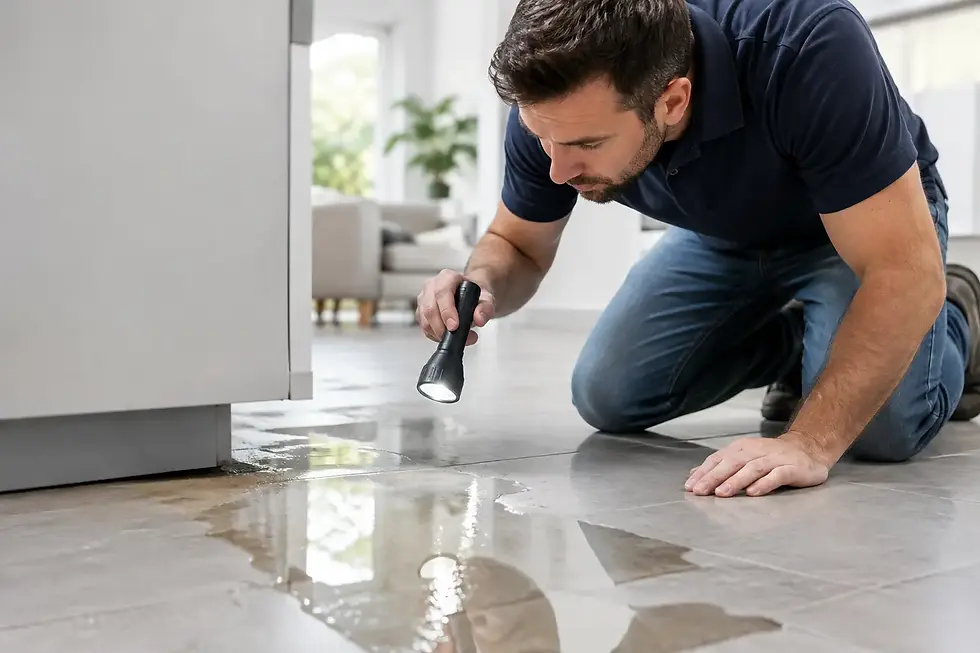
A water stain that grows by the week, a musty odor near a closed wall, or a water bill that suddenly jumps can all point to a leak you cannot see. Knowing how plumbers find hidden leaks can make the decision to call for service easier: the goal is not to open walls at random, but to identify the source carefully and limit damage to your home or business.
A hidden leak can come from a supply line, drain pipe, shower connection, appliance line, heating system, or underground water service. The right detection method depends on where the leak is suspected, whether it occurs under pressure, and how quickly water is escaping. A licensed plumber starts with the evidence, then narrows the possibilities before recommending a repair.
The First Clues a Plumber Looks For
Leak detection begins with a conversation and a visual inspection. A professional will ask when you first noticed the issue, whether it gets worse after using a fixture, and if your water usage has changed. Those details help separate a pressurized water-line leak from a drain leak that appears only when water is flowing.
Visible clues often include discoloration on ceilings or walls, peeling paint, swollen baseboards, warped flooring, damp carpet, mold growth, or a persistent mildew smell. In a commercial space, a leak may show up as damaged ceiling tiles, wet areas near mechanical equipment, or unexplained utility costs.
The location of the damage is useful, but it does not always reveal the exact source. Water can travel along framing, pipes, insulation, and ceilings before it becomes visible. A stain below a bathroom, for example, may come from a toilet seal, shower pan, supply connection, drain, or pipe located several feet away. That is why accurate testing matters before repairs begin.
How Plumbers Find Hidden Leaks Without Guesswork
A qualified plumber combines hands-on inspection with specialized equipment. Not every situation requires every tool. In some cases, a clear pressure-test result or moisture reading is enough. In other cases, especially when a leak is behind finished surfaces or below a slab, additional testing helps avoid unnecessary demolition.
Checking the water meter and system pressure
For a suspected water-line leak, the water meter is often an early checkpoint. After confirming that faucets, appliances, and irrigation systems are off, a plumber can watch for meter movement. Continued movement may indicate water is being used somewhere it should not be.
Pressure testing provides another important answer. The plumbing system is isolated and monitored to see whether pressure drops over time. A drop can confirm a leak in a pressurized line, although it does not identify the exact spot by itself. It also helps rule out certain causes before work moves to the next stage.
Using moisture meters and visual inspection
Moisture meters measure the level of moisture in materials such as drywall, wood, and flooring. They help a plumber map the wettest area and see how far water has spread. This is especially helpful when a surface looks dry but moisture remains behind it.
A moisture meter cannot tell a plumber exactly which fitting failed. It does, however, provide valuable direction and helps determine whether the affected material may need drying, repair, or replacement after the plumbing problem is fixed.
Finding temperature differences with thermal imaging
Thermal imaging cameras display surface temperature variations. When warm or cool water affects a wall, floor, or ceiling, it can create a temperature pattern that points toward the path of moisture. This is particularly useful for hot-water lines, radiant heating systems, and leaks concealed behind finished walls.
Thermal imaging has limits. Insulation, outside temperatures, air movement, and the depth of the pipe can affect the reading. A professional uses the camera as one piece of evidence, not as a reason to cut into a surface immediately.
Listening for leaks with acoustic equipment
Pressurized water escaping through a pipe can create a sound, even when it is hidden under a floor or behind a wall. Acoustic leak-detection equipment amplifies and helps locate that sound. It can be effective for concealed water lines and some underground service-line leaks.
Conditions matter here, too. Busy streets, mechanical equipment, flowing drains, and thick building materials can interfere with sound readings. An experienced plumber knows when acoustic testing is likely to be useful and when another method will give a clearer result.
Inspecting drains with a camera
If the problem appears when a shower, sink, toilet, or other fixture drains, a sewer and drain camera may be the best diagnostic tool. A small camera travels through accessible drain piping and sends back a real-time view of cracks, separated joints, blockages, corrosion, or root intrusion.
Camera inspections are especially valuable for recurring backups, damp areas near a drain line, and older properties where the pipe condition is uncertain. They show the inside of the pipe, which is different from detecting a pinhole leak in a pressurized water line. The suspected type of leak determines whether a camera inspection makes sense.
Isolating Fixtures to Narrow Down the Source
Sometimes the simplest test is the most revealing. A plumber may run one fixture at a time, fill and drain a tub, flush a toilet, test a shower pan, or inspect appliance connections while monitoring the affected area. By isolating each possible source, the plumber can determine whether the leak occurs during supply use, drainage, or only under certain conditions.
Bathroom leaks often require this careful process. A shower can leak through a failed grout joint, a damaged pan, a loose valve connection, or a drain assembly. Those problems can produce similar stains, but they require different repairs. Replacing the wrong part wastes time and leaves the actual source in place.
Why Finding the Leak Quickly Matters
Even a slow leak can damage more than the surface where it appears. Over time, moisture can weaken drywall, stain ceilings, damage flooring, rot wood framing, and create conditions that support mold growth. If water reaches electrical components or spreads into a neighboring commercial unit, the consequences can become more serious.
A hidden leak can also increase water costs. Homeowners sometimes assume a higher bill is seasonal or caused by normal use. If the increase continues without a clear reason, it is worth having the plumbing system checked. Early detection is usually less disruptive than waiting for a pipe failure or major ceiling collapse.
For Staten Island property owners, quick action can be particularly helpful in older homes with aging piping, finished basements, and plumbing that has been altered over the years. A professional inspection gives you a clear explanation of what is happening, what repair is needed, and whether related damage should be addressed.
What Happens After the Leak Is Located
Once the source is confirmed, the plumber can recommend the least invasive practical repair. That may mean replacing a supply line connection, repairing a section of pipe, resealing a fixture, correcting a drain issue, or accessing a small targeted area of wall or ceiling. In some cases, a larger repair is necessary because the pipe material is deteriorated or damage has spread.
A dependable plumber should explain the findings before work begins, including the repair options, expected access needed, and any concerns discovered during testing. If moisture has affected building materials, the area may also need professional drying or restoration after the plumbing repair. Stopping the water source comes first, but it is not always the final step.
When to Call a Professional Plumber
Do not wait for a visible stream of water to take a hidden leak seriously. Call for service if you have a recurring stain, unexplained moisture, a musty smell, reduced water pressure, a meter that continues moving when water is off, or a water bill that does not match your normal use.
If water is actively coming through a ceiling, pooling near electrical outlets, or causing damage that is spreading quickly, treat it as an emergency. Shut off the nearest fixture valve if you can do so safely. If that does not stop the flow, shut off the main water supply and contact a licensed, insured plumbing professional for prompt help.
JV Mechanical helps homeowners and business owners get clear answers when plumbing problems are hidden behind walls, ceilings, floors, or fixtures. The right diagnosis protects your property from unnecessary damage and gives you a repair plan based on facts, not assumptions.
A hidden leak rarely improves on its own. Addressing the first signs while the affected area is still small can protect your space, your budget, and your peace of mind.


Comments