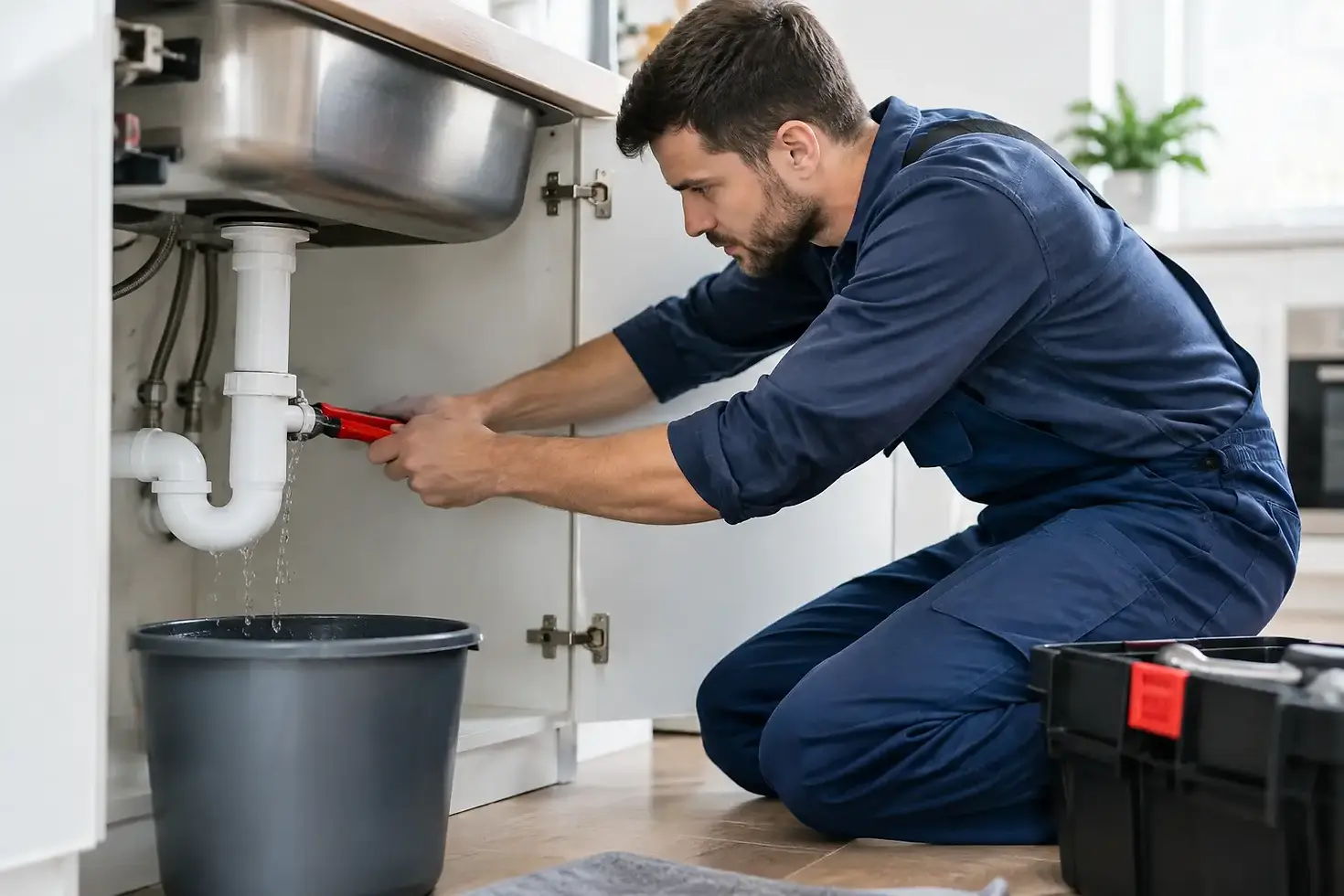
Emergency Plumbing When Every Minute Matters
A burst pipe behind a wall, a toilet overflowing onto the floor, or a water heater leaking across the basement is not a problem to put on tomorrow’s list. Emergency plumbing calls for calm, quick action that protects people, property, and the plumbing system itself. The right first steps can limit damage while a qualified professional takes over the repair.
For homeowners, landlords, and business owners, the priority is rarely figuring out a permanent fix alone. It is stopping the immediate risk, keeping the area safe, and getting reliable help before a manageable issue becomes a costly restoration project.
What Counts as an Emergency Plumbing Problem?
Not every drip requires an after-hours visit. A faucet that leaks slowly into a sink or a toilet that runs intermittently can often be scheduled during regular service hours. An emergency is a plumbing issue that is actively causing damage, creating a safety concern, interrupting essential water use, or threatening to shut down a home or business.
A pipe that has burst or is leaking heavily needs immediate attention, especially if water is reaching walls, ceilings, electrical fixtures, flooring, or stored belongings. The same is true for a major drain backup. If wastewater is coming up through a shower, tub, floor drain, or toilet, do not keep using fixtures in the building. Continuing to run water can make the backup worse and expose the area to contamination.
No hot water can also be urgent, particularly for a family, tenant-occupied property, restaurant, office, or other commercial space. The level of urgency depends on the situation. A water heater that has failed without leaking may allow time for a prompt scheduled repair. A unit that is actively leaking, making unusual sounds, or showing signs of gas-related trouble should be treated more seriously.
First Steps During an Emergency Plumbing Situation
The best response is simple: limit water, protect people, and avoid making the problem worse. Do not begin taking apart pipes, removing water heater components, or using chemical drain cleaners in an attempt to force a solution. Those actions can cause injury, damage pipes, and make professional repair more difficult.
If water is flowing, turn off the nearest accessible shutoff valve. Toilets, sinks, and washing machines commonly have local valves. If you cannot stop the water at the fixture, use the main water shutoff for the property. Homeowners should know where that valve is before an emergency occurs. In many Staten Island homes, it may be located near the water meter, in a basement, utility area, or where the service line enters the building.
Then take these practical steps:
Move electronics, furniture, documents, inventory, and valuables away from the affected area if it is safe to do so.
Keep children, pets, employees, and customers away from standing water, especially near outlets or electrical equipment.
Stop using nearby sinks, toilets, dishwashers, washing machines, and showers if there is a sewer or drain backup.
Take a few clear photos of visible damage for your records, but do not delay calling for service to document every detail.
If water has reached electrical equipment, you smell gas, or the area presents an immediate safety hazard, leave the area and contact the appropriate emergency utility or public safety service first. Plumbing repairs matter, but personal safety comes before property damage.
Why Fast Professional Help Makes a Difference
Water does not stay where it starts. A small opening in a supply line can send water behind cabinets, beneath flooring, into ceiling cavities, and through insulation. By the time a stain appears on the ceiling below, moisture may already be affecting materials that are difficult to dry and inspect.
A licensed and insured plumber does more than stop the visible leak. Professional emergency service focuses on locating the source, isolating the affected section, assessing the condition of connected plumbing, and making the repair with suitable materials. That approach is especially important in older properties, multi-family buildings, and commercial spaces where a problem in one unit can affect another.
Drain emergencies require the same level of care. A clog close to one fixture may be a local issue, while repeated backups across several fixtures can point to a larger blockage in the building drain or sewer line. The repair method depends on the cause, pipe condition, and location of the obstruction. A proper diagnosis helps avoid temporary fixes that fail again days later.
Emergency Plumbing for Businesses and Rental Properties
For business owners and property managers, a plumbing failure can become an operations problem within minutes. A backed-up restroom may make a workplace unusable. A leak in a retail space can damage merchandise and create a slip hazard. A failed water heater can disrupt tenants, staff, customers, or food-service operations.
The response should account for more than the immediate repair. It may involve shutting down a water source, protecting occupied areas, communicating with tenants or staff, and restoring service with as little disruption as possible. A local plumbing contractor familiar with residential and commercial needs can help property decision-makers move from emergency response to a clear repair plan.
It is also wise to keep basic plumbing information accessible for the people responsible for the building. This includes the main water shutoff location, utility contacts, and details about recurring issues. Clear information saves time when a problem happens after hours.
Problems That Should Not Be Ignored Overnight
Some plumbing issues may not look dramatic at first, but they deserve prompt attention. Water stains that are spreading, a ceiling that feels soft or begins to sag, unexplained drops in water pressure, or a sudden spike in the water bill can indicate an active leak. A sewer odor indoors, gurgling drains, or water appearing around a floor drain can signal a developing drainage problem.
Water heater warning signs also deserve attention. Rust-colored water, rumbling sounds, moisture around the tank, and inconsistent hot water can point to a unit nearing failure. Waiting may be tempting when hot water is still available, but a planned repair or replacement is usually easier to manage than an unexpected leak.
How to Be Ready Before an Emergency Happens
Preparation does not require becoming a plumbing expert. Start by locating and labeling the main water shutoff. Check under sinks and behind toilets occasionally to make sure local shutoff valves can still turn. Avoid flushing wipes, paper towels, grease, or other materials that commonly cause drain blockages.
For older homes or properties with a history of leaks, backups, or water heater issues, routine professional maintenance can reduce surprises. It cannot prevent every emergency, but it can identify worn components, drainage concerns, and aging equipment before they fail at the worst possible time.
When urgent plumbing trouble disrupts your home or business, you need a professional who communicates clearly and treats the property with care. JV Mechanical provides responsive service for Staten Island property owners who need accountable help with leaks, drain backups, water heaters, and other urgent plumbing problems. Acting quickly, shutting off water when necessary, and calling a qualified professional can protect far more than a pipe - it can protect your property and your peace of mind.

Comments