
Handling Sewage Backup Safely in Your Property
A sewage backup is not a normal clog that can wait until morning. Wastewater can contain bacteria, viruses, and other contaminants, and it can quickly damage flooring, walls, inventory, and personal belongings. Handling sewage backup safely means protecting people first, preventing the backup from getting worse, and bringing in a qualified plumbing professional before anyone starts cleanup.
Treat Sewage as a Health and Property Emergency
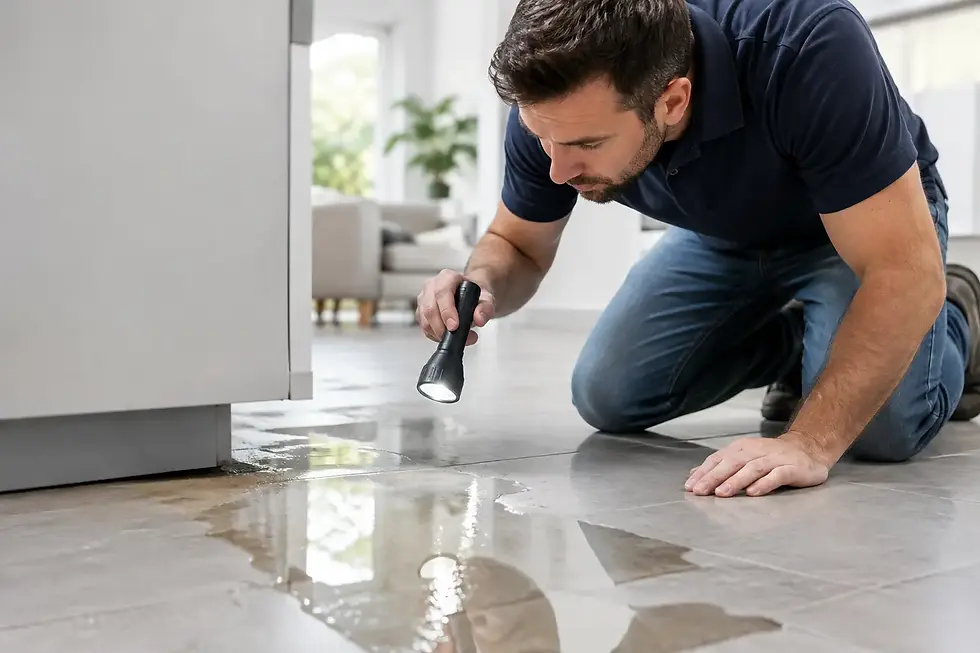
Sewage coming up through a toilet, shower drain, floor drain, or sink is a sign that wastewater cannot move through the drain system as it should. The cause could be a blocked main sewer line, a damaged or collapsed pipe, tree-root intrusion, a problem with a sewer ejector system, or, in some cases, an issue with a municipal sewer line.
Whatever the cause, avoid treating the water as ordinary gray water. If it has come from a toilet or drain line, assume it is contaminated. Keep children, pets, tenants, customers, and employees away from the affected area. A few minutes of caution can prevent direct exposure and keep contaminated water from being tracked through the rest of the property.
For business owners, this also means restricting access to any affected restroom, kitchen, storage area, or customer space immediately. Continuing normal operations around an active sewage backup can create sanitation concerns and make the eventual cleanup more extensive.
Stop Adding Water to the Drain System
The most useful immediate action is simple: stop using water throughout the property. Do not flush toilets, run faucets, start the dishwasher, use the washing machine, or take a shower. Water sent into the plumbing system may have nowhere to go and can force more wastewater out through the lowest drain opening.
If the overflow is limited to one fixture and you can safely reach that fixture's supply valve, turn off the water supply to it. This may help stop a toilet from continuing to refill, for example. Do not take risks to reach a valve near standing water, damaged electrical equipment, or a confined area.
A sewage backup can be deceptive. Water may stop rising for a short time, but that does not mean the blockage has cleared. Using another fixture often restarts the overflow. Until a plumber identifies the cause and confirms that the system is draining properly, keep all water use to a minimum.
Avoid Electrical Hazards Before You Enter the Area
Standing water and electricity are a dangerous combination. If sewage has reached outlets, extension cords, appliances, a water heater, a boiler, or electrical panels, stay out of the area. Do not unplug equipment while standing near water, and do not enter a flooded basement simply to inspect the problem.
If you can shut off power to the affected area from a dry, safe location, do so. If the electrical panel is in or near the flooded area, leave it alone and contact an electrician or emergency professional for guidance. Safety has to come before saving a rug, a box of supplies, or a piece of furniture.
Also avoid using a wet vacuum, household vacuum, or other electrical cleaning equipment on sewage-contaminated water. These tools are not designed for this type of cleanup and may create both shock and contamination risks.
Do Not Try to Force the Blockage Open
When a main line is blocked, it is understandable to want a quick fix. But plungers, chemical drain cleaners, and improvised drain snakes can make the situation worse. Chemical products can splash back, damage certain pipes, and create a hazard for the plumber who must later clear the line. A small hand snake can also get stuck or damage a fixture without reaching the actual obstruction.
A professional assessment matters because the right solution depends on the source of the backup. A drain cleaning cable may clear a buildup, while heavy roots, a broken sewer pipe, or a recurring backup may require camera inspection and a more targeted repair. If backups occur after heavy rain, affect multiple fixtures, or return soon after being cleared, the problem may be more involved than a basic clog.
This is where working with a licensed and insured plumbing contractor protects the property. The goal is not just to get water moving for the moment. It is to determine why the system backed up and reduce the chance of another damaging overflow.
Document Damage From a Safe Distance
Once everyone is away from the affected area and water use has stopped, take clear photos or videos from a safe location if you can do so without entering contaminated water. Document the water level, the fixtures involved, visible damage, and any affected belongings. This information can help when speaking with a plumber, property manager, restoration company, or insurance carrier.
Do not move contaminated belongings through clean parts of the building unless necessary for safety. Cardboard, rugs, upholstered furniture, drywall, insulation, and porous stored items can absorb wastewater. Trying to save everything immediately can spread contamination into hallways, vehicles, and other rooms.
If you rent the property, notify the landlord or property manager as soon as possible. If you own a commercial space, notify the appropriate facilities contact and follow your sanitation and reporting procedures. Prompt communication helps the right people make decisions about repairs, cleanup, and reopening affected spaces.
Know When Professional Cleanup Is Necessary
A small, contained overflow may look manageable, but sewage cleanup is different from cleaning a spill. Areas that came into contact with wastewater must be properly cleaned, disinfected, and dried. Porous materials may need to be removed, particularly if contamination reached carpet padding, drywall, insulation, or unfinished wood.
Professional water-damage and restoration support is often appropriate when there is standing sewage, widespread impact, soaked building materials, a finished basement, or contaminated commercial areas. Fast drying matters because moisture left behind can lead to additional damage and mold growth, even after the drain problem itself is repaired.
Do not run central heating or air conditioning if contaminated water has reached HVAC equipment or ducts. Air movement can spread odors and contaminants beyond the original area. A qualified professional can advise whether those components need inspection or cleaning.
Call for Emergency Plumbing Help
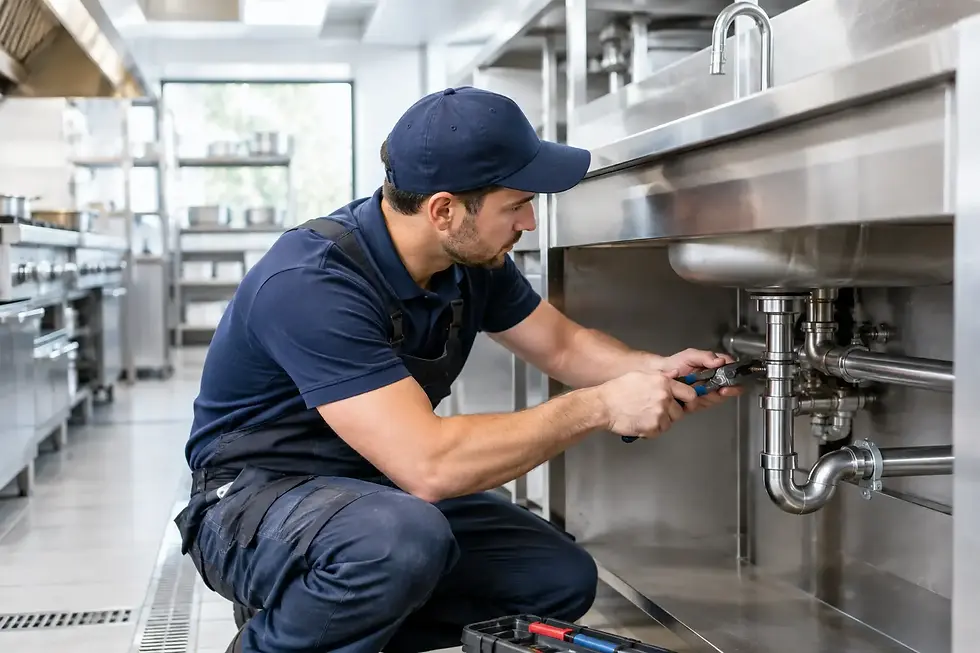
Sewage backups require a quick, accountable response. An emergency plumber can identify whether the issue is inside the property drain system, at the building sewer, or potentially beyond the property line. They can clear an appropriate blockage, inspect the line when needed, and explain the repair options in plain terms.
For homeowners and business owners on Staten Island, a local plumbing team can also bring familiarity with the area’s older plumbing systems, basement drains, sewer connections, and property layouts. JV Mechanical provides responsive plumbing service for urgent drain and sewer problems, with a focus on professional work and clear communication when the situation is stressful.
When you call, be ready to explain where the water appeared, whether multiple fixtures are affected, when the problem started, and whether it followed heavy water use or rainfall. That information helps the plumber arrive prepared and begin diagnosing the issue efficiently.
Reduce the Risk of Another Backup
After the emergency is resolved, ask what caused the blockage and what preventive work makes sense for your property. The answer depends on the age and condition of the line, whether trees are near the sewer route, the history of prior clogs, and how the building is used. A restaurant, multifamily property, and single-family home do not face the same drain demands.
Regular drain maintenance can be worthwhile for properties with recurring buildup or root intrusion, but it should be based on the actual condition of the plumbing system rather than a one-size-fits-all schedule. If the line is damaged or poorly sloped, repeated clearing may only provide temporary relief. A camera inspection can help distinguish a maintenance issue from a repair issue.
The best response to a sewage backup is calm and immediate: keep people out, stop using water, avoid electrical risks, and let a qualified plumber take control of the cause. That approach protects your health, limits damage, and gives your property the best chance of returning to normal safely.

Comments