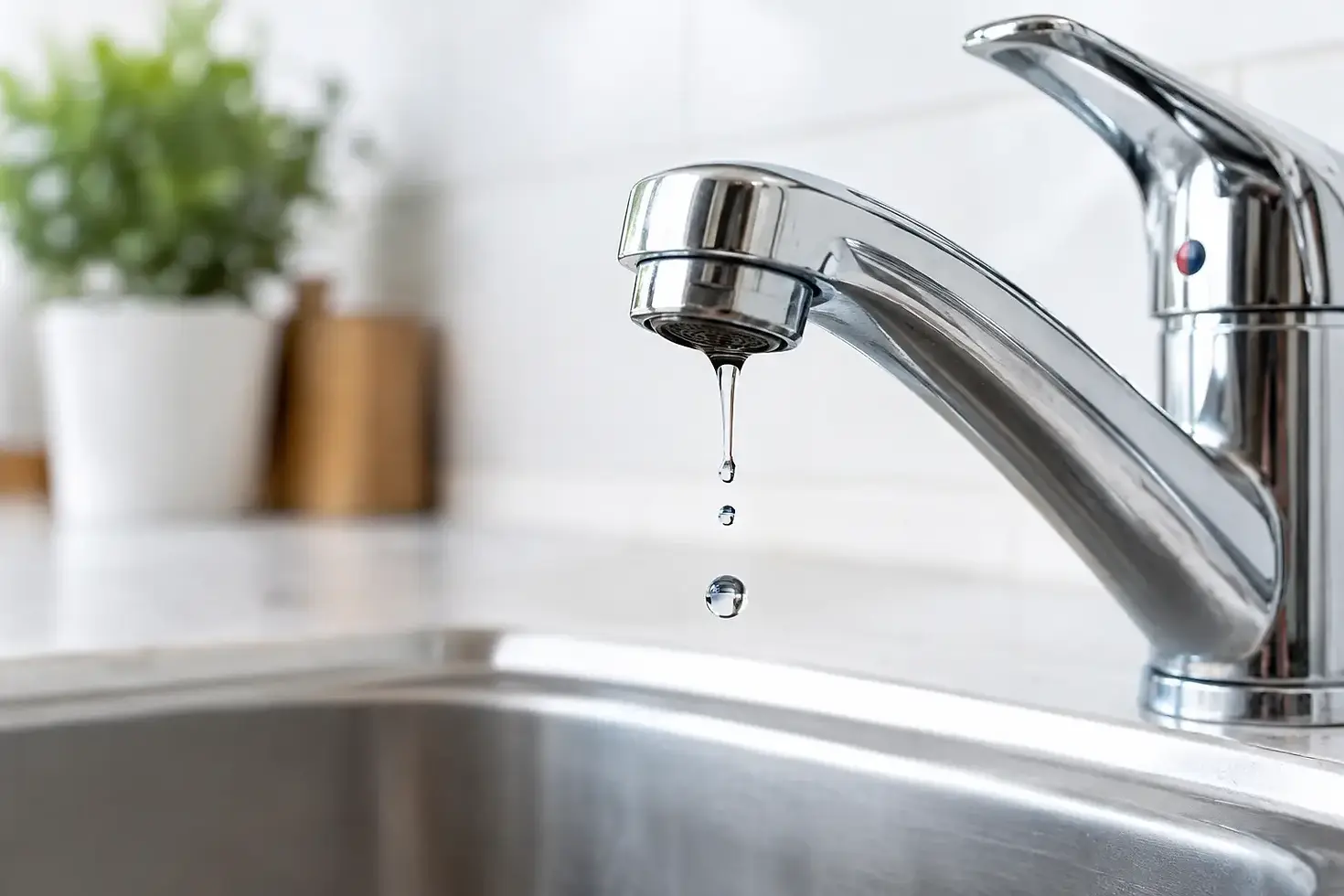
Faucet Dripping Causes and When to Call a Plumber
That steady tap-tap-tap from the kitchen or bathroom sink may seem minor, especially when the faucet still turns on and off normally. But faucet dripping causes are often more than an annoyance. A small internal part may be worn, a connection may be failing, or water pressure may be putting unnecessary strain on the fixture. Left alone, the drip can waste water, raise utility costs, stain the sink, and eventually become a larger leak.
For Staten Island homeowners, landlords, and business owners, the best response depends on where the water is coming from, the faucet type, and whether there are signs of damage below the sink. Here is what commonly causes a dripping faucet and when it is time to have a professional take a closer look.
Common Faucet Dripping Causes
Most faucet leaks start inside the handle assembly, where several small components work together to stop water flow when the faucet is closed. Those parts experience friction every time the faucet is used. Over years of daily use, even a well-made fixture can develop a slow drip.
Worn washers and seals
A worn washer is one of the most familiar causes of a drip, particularly in older compression-style faucets with separate hot and cold handles. When the handle is tightened, a rubber washer presses against the valve seat to stop the water. As the washer wears down, hardens, or becomes misshapen, it can no longer create a complete seal.
O-rings and other rubber seals can fail as well. These smaller parts often cause water to appear around the base of a handle or along the faucet body rather than dripping directly from the spout. A leak at the handle should not be ignored just because it is not reaching the floor. Water can work its way into the cabinet, wall, or countertop opening over time.
A damaged cartridge or valve stem
Many newer single-handle faucets use a cartridge instead of a traditional washer. The cartridge controls hot and cold water and regulates flow. Mineral buildup, normal wear, and internal damage can prevent it from closing fully, allowing water to pass through after the handle is turned off.
Two-handle faucets may use stems, seats, and springs that wear at different rates. This is why a faucet that drips only on the hot side, only on the cold side, or only when a handle is set in a certain position can point to a specific internal issue. The repair may be straightforward, but identifying the correct part matters. Installing the wrong cartridge or forcing a corroded component can create a bigger problem.
Corrosion and mineral buildup
New York City water can leave mineral deposits inside faucets over time. Sediment and buildup can affect the valve seat, cartridge, aerator, and other moving parts. If the sealing surfaces are rough, pitted, or obstructed, water may slip through even when the faucet is shut off.
Corrosion is especially common in older fixtures or faucets that have gone years without repair. It can also make a routine repair less predictable. A part that should unscrew may be seized in place, and aging supply connections may not tolerate being disturbed. In those cases, replacing the fixture can be more practical than repeatedly repairing it.
High water pressure
A dripping faucet is not always a faucet-only problem. Excessively high water pressure can put stress on cartridges, washers, valves, and supply lines throughout a property. You may notice other clues, such as banging pipes, a toilet that refills unexpectedly, appliance hose issues, or multiple fixtures that start leaking around the same time.
Pressure-related problems deserve professional attention because they can affect more than one fixture. A plumber can test the pressure, assess whether a pressure-reducing valve is needed or failing, and check for related plumbing concerns before a minor faucet drip turns into a wider repair issue.
Loose or failing connections below the sink
Not every reported faucet leak is actually coming from the spout. Sometimes water appears in the cabinet only when the faucet is running, which may indicate a loose supply line, a damaged shutoff valve, or a failing connection to the faucet body. This can be easy to miss because the water may travel down the fixture or supply line before it becomes visible.
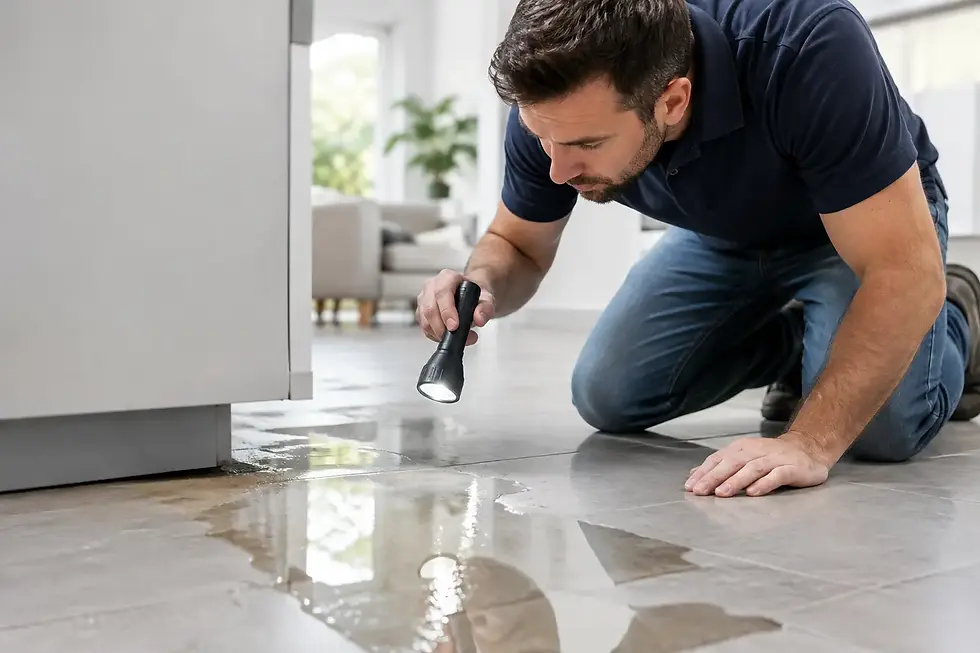
Check the cabinet after using the sink, particularly around the shutoff valves and flexible supply lines. If you find moisture, swelling cabinet material, rust, or a musty odor, do not assume it is just condensation. A concealed leak can damage finishes and encourage mold growth.
Why a Small Faucet Drip Should Not Wait
A faucet can waste a surprising amount of water even when the drip seems slow. The exact amount depends on the size and frequency of the drip, but constant water loss adds up over days and months. It can also leave hard-water spotting on the sink, damage a finish, and create an irritating sound in a quiet home or business.
The larger concern is uncertainty. A faucet that drips from the spout may need an internal repair, while water leaking under the sink can affect cabinetry, flooring, and nearby electrical components. If the drip has suddenly worsened, the handle is difficult to operate, or the fixture is visibly corroded, waiting rarely improves the situation.
For a commercial restroom, restaurant sink, office kitchenette, or rental property, a leaking fixture also affects the people using the space. Prompt repair helps maintain a clean, professional environment and prevents a minor maintenance issue from disrupting operations.
When to Call a Professional for a Dripping Faucet
Homeowners can sometimes identify an obvious loose aerator or a drip that stops after a gentle adjustment, but faucets are not all built the same. Older fixtures, specialty finishes, wall-mounted faucets, and concealed valves can require specific tools and replacement parts. If you are not certain where the water is coming from, it is safer to have the issue diagnosed properly.
Call a licensed plumber when the faucet leaks from more than one location, the shutoff valve does not fully stop the water, the cabinet beneath the sink is wet, or the fixture has signs of corrosion. Professional service is also the right choice when a repair attempt has not solved the problem or when the faucet is connected to a larger pressure or piping concern.
If a leak becomes active enough to spray, flood the cabinet, or threaten property damage, shut off the local water valve if it is accessible and working. If the local valve will not close, use the main water shutoff if necessary and request urgent plumbing service. Avoid forcing stuck handles, valves, or supply connections, since a weakened fitting can break without much warning.
Repair or Replace: What Makes Sense?
A quality faucet with a worn cartridge, washer, or seal is often worth repairing. Replacing a small internal part can restore normal operation at a lower cost than installing a new fixture. This is particularly true when the faucet is in good condition, matches other fixtures, and has readily available replacement parts.
Replacement may make more sense when the fixture is heavily corroded, parts are discontinued, the finish is deteriorating, or leaks keep returning. It can also be the better option if a faucet has multiple issues, such as a persistent drip, loose handle, poor water flow, and leaking connections. A plumber can explain the condition of the existing fixture and provide a clear recommendation rather than pushing a one-size-fits-all solution.
Protecting Your Sink Area Until Service Arrives
Place a towel or container below any active under-sink leak, then remove household items that could be damaged by water. Keep the area as dry as possible, and avoid storing cleaners or other chemicals where they could spill if the cabinet gets wet. For a spout drip, keeping the sink drain clear prevents water from backing up if the leak worsens.
Do not rely on tape, sealant, or excessive handle pressure as a permanent fix. These temporary measures can hide the source of the problem or place more stress on aging faucet parts. A careful inspection is the quickest path to a reliable repair.
A dripping faucet is usually manageable when addressed early. JV Mechanical provides professional plumbing repairs for Staten Island homes and businesses, with clear communication and dependable service when a leak needs prompt attention. Whether the issue is a worn faucet component or water appearing where it should not, getting the right diagnosis can protect your fixture, your cabinet, and your peace of mind.


Comments