
Low Water Pressure Repair for Homes and Businesses
A weak shower, slow-filling washing machine, or faucet that barely rinses a dish can turn ordinary routines into daily frustration. Low water pressure repair begins with finding out whether the issue is limited to one fixture or affecting the entire property. That distinction helps determine whether the problem is a simple blockage, a plumbing repair, or a utility-related concern that needs prompt professional attention.
For homeowners, landlords, and business owners, low pressure is more than an inconvenience. It can affect cleaning, food service, restrooms, laundry equipment, boilers, and customer comfort. A qualified plumber can identify the source without guesswork and recommend the right repair for your property.
What Low Water Pressure Can Tell You
Water pressure problems do not all look the same. If one bathroom sink has weak flow while the rest of the building is normal, the issue is usually close to that fixture. If every faucet, shower, and appliance has reduced pressure, the cause may be in the main supply, pressure regulator, water meter area, or piping throughout the property.
Pressure can also drop suddenly or gradually. A sudden change may point to a closed valve, active leak, water-main work, or a failed plumbing component. Gradual pressure loss is often associated with mineral buildup, aging pipes, corrosion, or a fixture that has become restricted over time.
The pattern matters. Make a note of whether the issue affects hot water only, cold water only, one floor, or the entire building. This gives your plumber useful information and can shorten the diagnostic process.
Common Causes of Low Water Pressure
Clogged faucet aerators and showerheads
Faucet aerators and showerheads collect sediment, mineral scale, and small debris over time. This is especially common in fixtures that have been in place for years. Water may still run, but the stream becomes uneven, weak, or sprays in several directions.
When the problem is isolated to one fixture, cleaning or replacing the aerator or showerhead may restore normal flow. However, debris can sometimes signal a larger issue in the water line, particularly if multiple fixtures begin showing the same symptoms.
Partially closed shutoff valves
A valve under a sink, behind a toilet, near a water heater, or at the main water supply can reduce flow when it is not fully open. This can happen after previous plumbing work, a leak repair, or an accidental bump in a utility area.
Property owners should avoid forcing a valve that feels stuck, corroded, or difficult to turn. Older valves can fail when disturbed and may begin leaking. A plumber can inspect the valve, confirm its condition, and replace it if necessary.
Failing pressure-reducing valve
Many properties use a pressure-reducing valve to manage incoming water pressure from the municipal supply. When this component wears out or malfunctions, pressure can become consistently low, fluctuate throughout the day, or feel weak in several areas at once.
This is not a repair to put off. Water pressure that is too low affects daily use, while pressure that is too high can strain pipes, appliance hoses, fixtures, and water heaters. A professional can test the pressure and determine whether adjustment or replacement is appropriate.
Leaks in plumbing lines
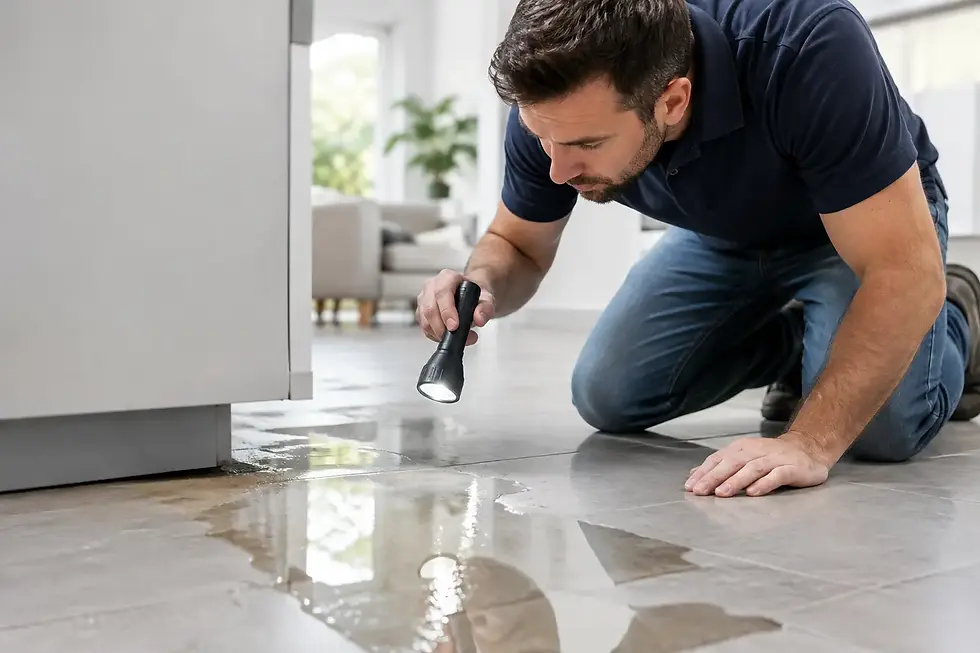
A hidden leak can reduce available water pressure before the water reaches fixtures. Depending on its location, a leak may also cause damp drywall, stains, mold growth, warm spots on floors, unusually high water bills, or the sound of water running when nothing is in use.
Not every leak is visible. A leak inside a wall, below a slab, or in a commercial utility area can go unnoticed until it causes property damage. If pressure drops suddenly and you suspect a leak, shut off water if it is safe to do so and request professional service quickly.
Corroded or aging pipes
Older galvanized steel pipes can corrode internally. As corrosion builds, the interior opening becomes narrower and restricts water flow. In some Staten Island homes, especially properties with older plumbing systems or multiple additions over the years, pipe condition can be a significant factor in long-term pressure problems.
A fixture replacement will not solve a restriction inside aging supply pipes. Depending on the condition of the system, the right solution may involve targeted pipe replacement, repiping a problem section, or planning a larger upgrade. The best option depends on the pipe material, the areas affected, and the condition of the rest of the plumbing.
Water heater or hot-water-side issues
If cold water pressure is normal but hot water pressure is weak, the problem may be connected to the water heater, hot-water shutoff valve, mixing valve, or mineral buildup in hot-water lines. Sediment can also affect water heater performance and reduce the amount of usable hot water.
Because water heaters involve pressurized water, fuel or electrical connections, and scalding temperatures, this type of diagnosis is best left to a licensed plumbing professional.
Safe Checks Before You Schedule Service
There are a few simple observations that can help, but there is no need to take apart plumbing or attempt complex adjustments. First, test a few fixtures throughout the property. Compare hot and cold water, and check whether the problem is limited to one room or floor.
Next, ask whether the pressure changed after recent plumbing work, a utility interruption, construction nearby, or a water heater issue. If neighbors are also experiencing low pressure, there may be a municipal supply issue rather than a problem inside your building.
You can also look for obvious signs of leakage around exposed pipes, under sinks, near toilets, and around the water heater. Do not ignore moisture, dripping, stains, or a water meter that appears to keep moving while all fixtures are off. Those signs warrant a professional inspection.
Avoid turning main valves repeatedly, adjusting pressure regulators, or removing parts from a water heater. A small pressure problem can become a leak or no-water emergency when aging components are forced.
When Low Water Pressure Repair Should Be Urgent
Call for prompt plumbing help when low pressure appears with an active leak, flooding, discolored water, no water at all, or a sudden major drop across the property. Commercial properties should also act quickly if pressure issues affect restrooms, kitchen equipment, employee areas, or customer-facing operations.
Low pressure deserves timely attention when it continues for more than a day or two without an obvious utility explanation. Waiting can allow a hidden leak, failing valve, or deteriorating pipe to cause more damage and raise repair costs.
For landlords and property managers, a fast response helps protect both the building and tenant relationships. For homeowners, it restores the basic reliability that kitchens, bathrooms, laundry rooms, and water-heating systems depend on every day.
Professional Low Water Pressure Repair Starts With the Right Diagnosis
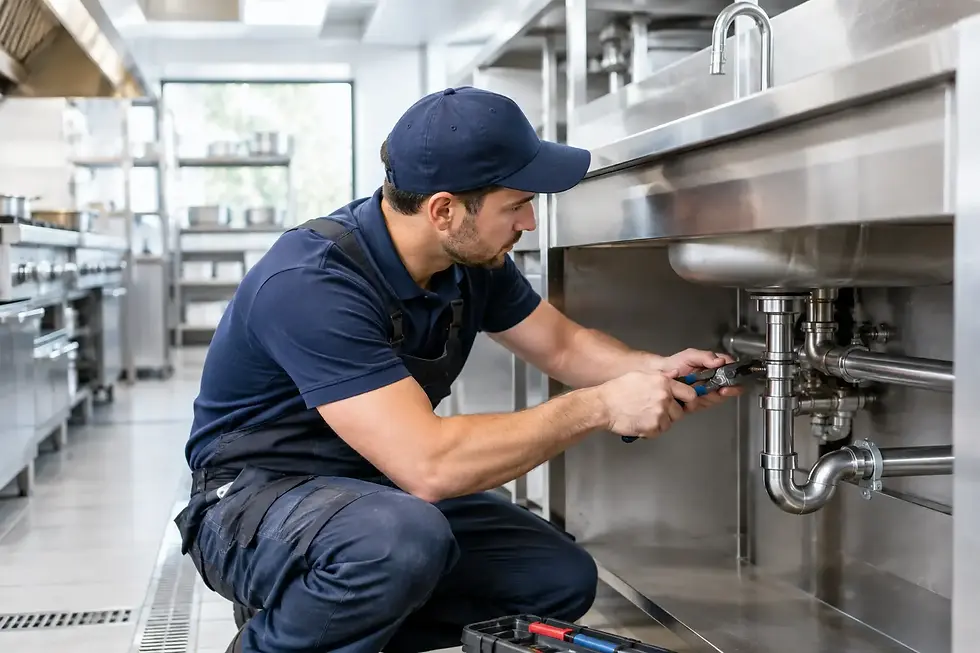
A dependable repair is based on testing, inspection, and clear communication - not assumptions. A licensed and insured plumber can evaluate fixture flow, supply pressure, accessible valves, water heater connections, and visible piping to locate the restriction or failure. If the issue requires a larger repair, you should receive a straightforward explanation of the problem and the recommended next step.
JV Mechanical provides responsive plumbing service for Staten Island homes and businesses, including help with leaks, water heaters, damaged valves, pipe repairs, and urgent plumbing problems. The goal is to restore reliable water flow while protecting your property and avoiding unnecessary work.
If weak water pressure is disrupting your home or business, do not settle for temporary workarounds. A professional inspection can identify the cause, prevent a minor issue from becoming a larger repair, and help you get back to normal with confidence.

Comments