
Preventing Winter Pipe Freezes at Your Property
A burst pipe rarely starts with a dramatic warning. During a hard Staten Island cold snap, water inside an exposed pipe can freeze quietly overnight, expand, and split the pipe before anyone notices. Preventing winter pipe freezes is one of the most practical ways to protect your home, rental property, or business from water damage, lost heat, and an urgent plumbing repair.
The highest-risk pipes are usually not in the rooms you use every day. They are found along exterior walls, in basements, crawl spaces, garages, utility rooms, attic areas, and unheated commercial spaces. A little preparation before temperatures drop can make a major difference when winter weather settles in.
Why Winter Pipe Freezes Cause So Much Damage
Water expands as it freezes. When that happens inside a pipe, pressure builds between the ice blockage and a closed faucet or fixture. The pipe can crack or separate at a weak point, including a fitting that looked perfectly fine before the freeze.
The visible leak may not appear until the ice begins to thaw. By then, water can pour into walls, ceilings, floors, inventory areas, or mechanical rooms. For homeowners, that can mean damaged finishes and personal belongings. For landlords and business owners, it can also mean tenant disruptions, interrupted operations, and expensive cleanup.
Not every cold day creates the same risk. A brief dip below freezing may be manageable in a well-insulated, occupied building. The concern rises when temperatures stay below 32 degrees for hours, wind reaches exposed areas, or a building is vacant, poorly heated, or has known cold spots.
Preventing Winter Pipe Freezes Before the First Hard Freeze
Start by looking at the parts of the property that receive the least heat. If a prior winter brought a frozen pipe, a cold bathroom, or a drafty utility area, treat that location as a priority. Frozen pipes often occur in the same vulnerable places year after year until the underlying issue is corrected.
Keep the building consistently heated
Do not set the thermostat too low when people are away. Keeping indoor temperatures steady gives pipes within walls and cabinets a better chance of staying above freezing. For a home that will be vacant, or a commercial space closed for several days, maintain heat at a safe minimum rather than shutting the system down.
If one area of the building is consistently colder than the rest, do not assume the central thermostat is protecting it. A rear addition, basement office, garage-adjacent bathroom, or vacant storefront may need separate attention. A heating issue in that area should be addressed before severe weather arrives.
Insulate exposed plumbing where it makes sense
Pipe insulation can help protect accessible water lines in unheated basements, crawl spaces, garages, and utility rooms. It is particularly useful on pipes near exterior walls or in areas where cold air enters the building.
Insulation is not a substitute for heat. It slows heat loss, but it will not protect a pipe indefinitely if the area remains below freezing. If you see damaged insulation, open gaps around pipe penetrations, or drafts coming through foundation or wall openings, professional evaluation may be the better answer.
Protect outdoor faucets and supply lines
Disconnect garden hoses before freezing temperatures arrive. A connected hose can hold water against the outdoor faucet and contribute to a freeze inside the line. Shut off the interior supply valve to exterior faucets if your plumbing system has one, then drain the remaining water from the outdoor fixture.
If an outdoor faucet drips, leaks, or does not fully shut off, have it repaired. Small exterior plumbing problems become much more serious when temperatures drop.
Let warm air reach vulnerable pipes
Cabinets under sinks on exterior walls can trap cold air around supply lines. Opening the cabinet doors during extreme cold lets warmer room air circulate around the pipes. This is especially helpful beneath kitchen sinks, bathroom vanities, and utility sinks located against outside walls.
Keep garage doors closed as much as possible when plumbing runs through or beside the garage. If pipes pass through a utility closet or storage area, avoid blocking heat vents or packing the space so tightly that warm air cannot circulate.
Address leaks and plumbing weaknesses now
A slow leak, corroded pipe, aging shutoff valve, or loose fitting may not cause a freeze, but it can make the damage worse if freezing pressure develops. Winter is not the time to postpone a known plumbing issue. A repair completed under normal conditions is typically far less disruptive than a late-night emergency involving water damage.
What to Do During Extreme Cold
When a serious cold spell is expected, check that the heat is operating correctly and that all areas of the building are receiving warmth. Property managers should also confirm that vacant units, common areas, mechanical rooms, and exterior-wall bathrooms are not being overlooked.
In some situations, allowing a vulnerable faucet to run at a small, steady trickle can reduce the chance of freezing. Flowing water is less likely to freeze than standing water, but this is not a complete solution. It can waste water, and it will not correct an unheated space, severe draft, or improperly protected pipe. Use it as a short-term precaution for a known trouble spot, not as the only winter plan.
Pay attention to reduced water flow. A faucet that suddenly produces only a trickle during freezing weather may indicate that ice is forming in the pipe. Do not wait for the line to burst. Turn off water to the affected fixture if possible and arrange for a licensed plumber to assess the problem.
If You Suspect a Pipe Has Frozen
A frozen pipe does not always mean a burst pipe, but it deserves prompt attention. Start by shutting off the water supply to the affected area if you can do so safely. Every homeowner, landlord, and facility decision-maker should know the location of the main water shutoff valve before an emergency occurs.
Do not use an open flame, torch, or high-heat device to thaw a pipe. These methods can damage plumbing, create a fire hazard, and turn a manageable issue into a serious property emergency. Avoid trying to force the line open or repeatedly turning fixtures on and off.
If you can safely identify the frozen section and there is no sign of a leak, gentle warmth may help in limited circumstances. But pipes concealed behind walls, located near electrical wiring, or affected by a larger heating failure should be handled by a professional. The goal is not simply to restore water flow. It is to make sure the pipe has not cracked and to identify why it froze in the first place.
Act immediately if a pipe bursts
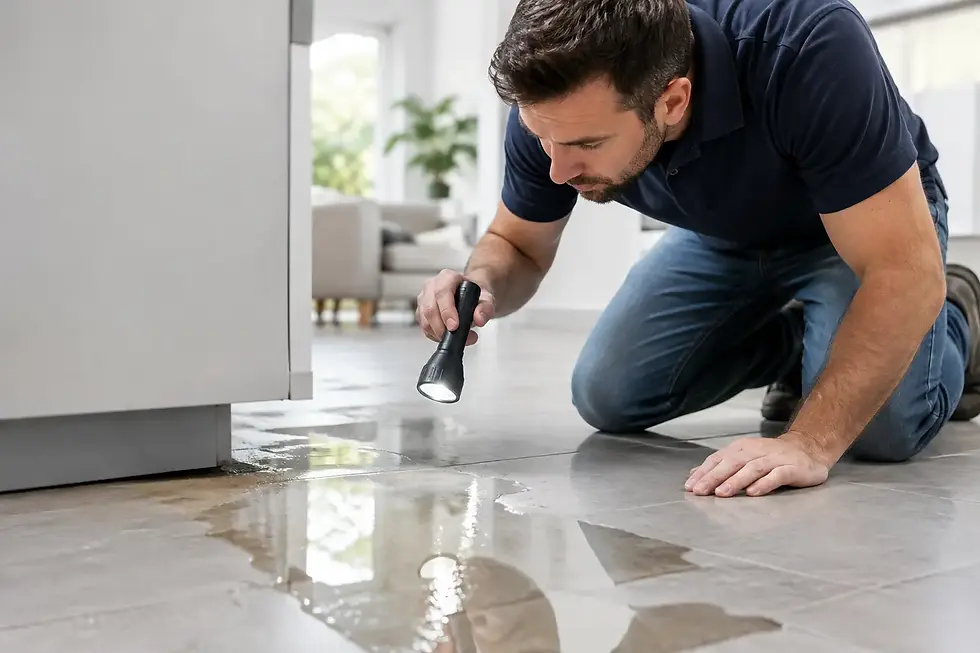
Shut off the main water supply right away. Then turn off electricity to any affected area only if it is safe to do so and there is no standing water near electrical equipment. Move valuables away from the leak, contain water with towels or buckets where possible, and contact an emergency plumbing professional.
For commercial properties, protect the area from customers and employees, notify affected tenants or staff, and document visible damage for insurance purposes. Fast action helps limit water spread, but do not delay professional service while trying to manage a major leak on your own.
When a Professional Winter Inspection Is Worth It
Some properties need more than basic seasonal precautions. Older homes, buildings with past freeze-ups, vacant properties, and commercial spaces with complex plumbing layouts are all good candidates for a professional inspection. The same is true when pipes run through unheated additions, crawl spaces, outside walls, or areas with poor insulation.
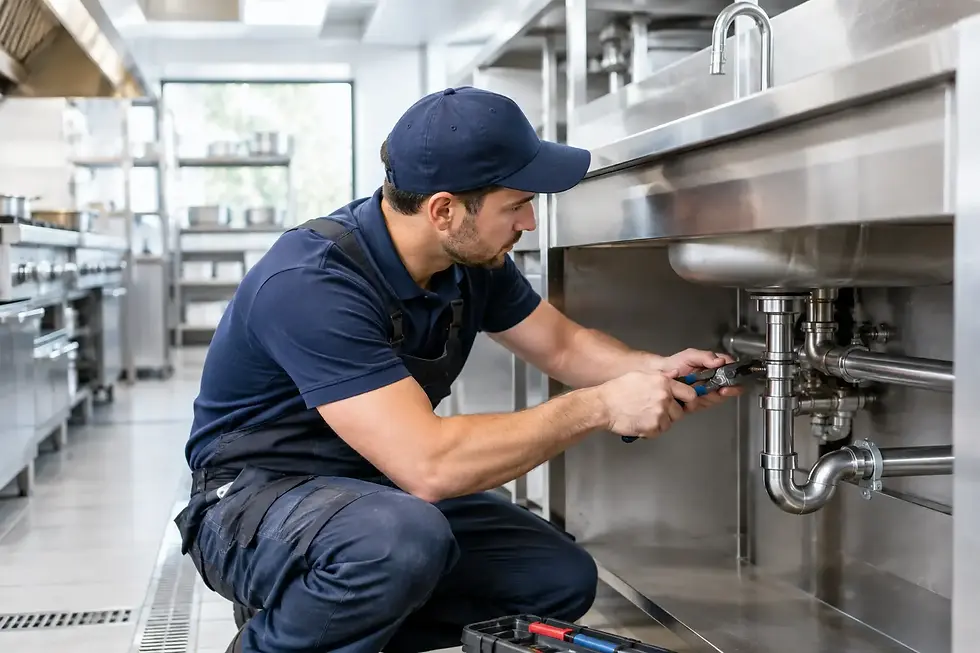
A qualified plumber can identify exposed lines, failing valves, hidden leaks, weak connections, and locations where heat or insulation improvements are needed. For Staten Island property owners, local experience matters because older construction, additions, basement plumbing, and changing winter conditions can create risks that are easy to miss during a quick walk-through.
JV Mechanical provides professional plumbing support for homeowners and businesses that need help addressing vulnerable pipes, repairing leaks, or responding to winter plumbing emergencies. Licensed, insured service gives you a clear plan when the weather turns and the stakes are high.
Before the next deep freeze, take a few minutes to walk through the coldest areas of your property and deal with the concerns you find. That small step can be the difference between a quiet winter night and a flooded room that needs immediate attention.

Comments