
How Plumbers Stop Burst Pipes Before Damage Spreads
A burst pipe can turn a quiet morning, a busy workday, or an overnight emergency into a serious property problem within minutes. Knowing how plumbers stop burst pipes helps you understand why fast professional service matters: the goal is not only to stop the visible water, but also to protect the building, identify the failure, and restore the plumbing safely.
For homeowners, landlords, and business owners, the first concern is usually the water spreading across floors, through ceilings, or into equipment and inventory. A licensed plumber approaches the situation in a specific order, starting with control and ending with a repair that addresses the cause instead of creating a temporary patch.
How plumbers stop burst pipes in an emergency
The first job is to stop the water source. Depending on where the break occurred, a plumber may shut off the fixture-level valve, isolate a branch line, or close the property's main water valve. This limits additional flooding while the plumber assesses the damaged pipe and determines whether the water supply can be safely restored to other areas of the property.
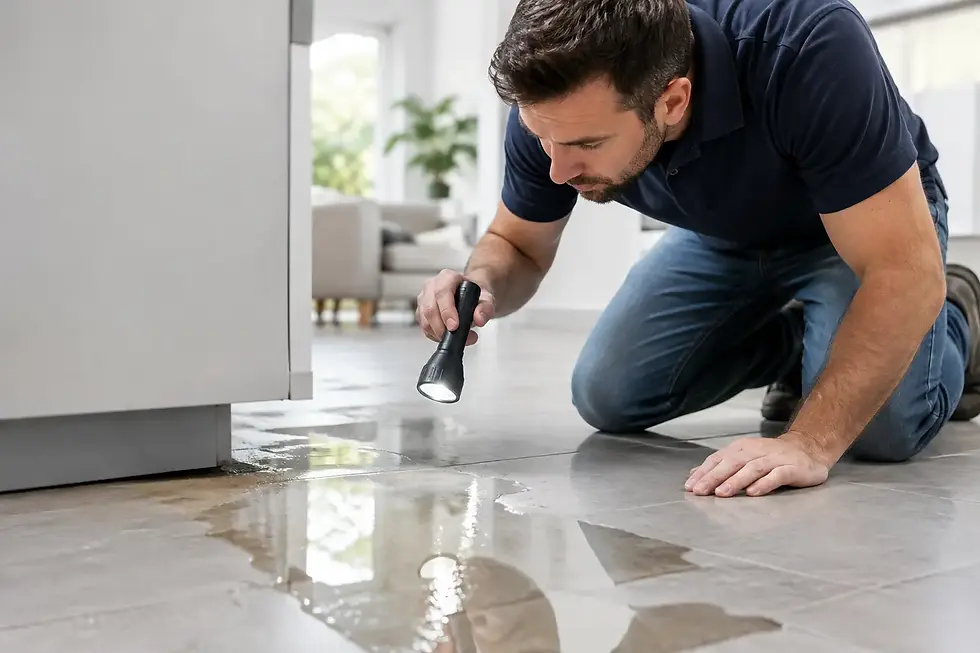
A burst pipe is not always easy to access. It may be behind a wall, above a finished ceiling, below a slab, inside a utility room, or in an exterior wall exposed to freezing temperatures. Plumbers use the visible water pattern, pipe layout, pressure behavior, and moisture signs to narrow down the location. In some cases, a small, controlled opening is necessary to reach the line without causing unnecessary damage to the surrounding area.
Once the water is isolated, the damaged section must be drained. This step reduces pressure and removes standing water from the affected pipe before any cutting or disassembly begins. Trying to repair a pressurized, water-filled line is unsafe and can make the leak worse.
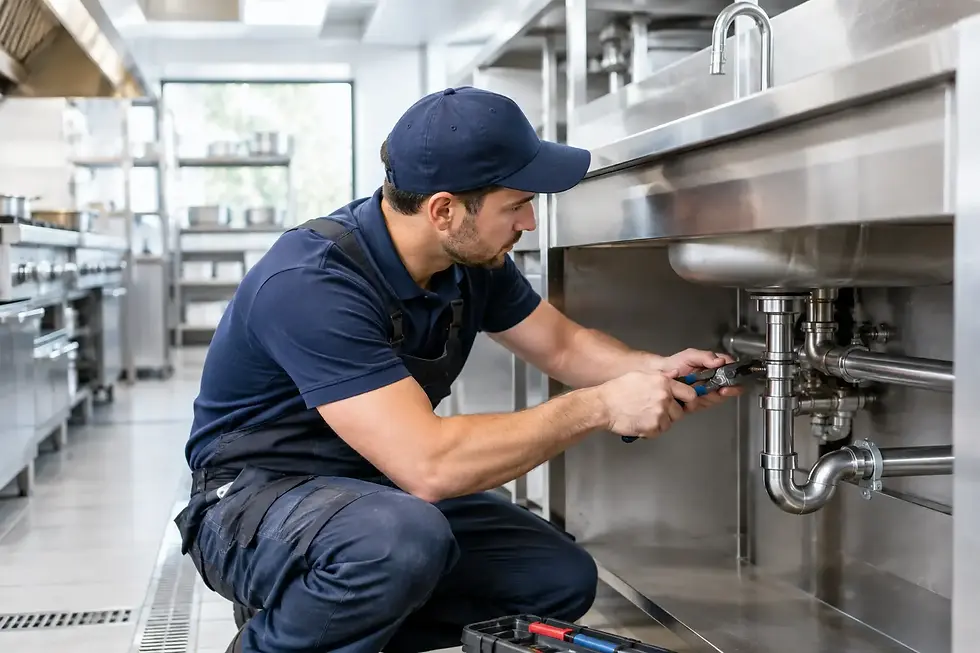
The plumber then removes the split, corroded, or failed section of pipe. The replacement material must be compatible with the existing system and suitable for the property's water supply. A proper repair is measured, securely connected, supported where needed, and tested under pressure. The line is not considered repaired simply because water has stopped dripping.
Why pipes burst in homes and commercial properties
Freezing is a common cause of burst pipes in Staten Island properties, especially in unheated basements, crawl spaces, garages, exterior walls, and vacant units. Water expands as it freezes. That expansion can crack copper, plastic, or older metal piping, sometimes at a weak point far from the actual frozen area.
Not every burst pipe is caused by cold weather. Corrosion can thin older pipes from the inside until normal water pressure causes a rupture. Aging galvanized piping, poorly supported lines, failed fittings, shifting building materials, and previous improper repairs can all contribute. In commercial buildings, high-use plumbing systems and long periods of vacancy may reveal problems that were not obvious during normal operation.
Water pressure also matters. Excessively high pressure puts constant strain on pipes, valves, appliance hoses, and fittings. A plumber may check the pressure after repairing the break, particularly if the pipe failure seems unusual or has happened more than once. If pressure is the underlying issue, repairing only the burst section may not prevent another failure.
What happens after the water is shut off
Stopping the active flow is urgent, but it is only the beginning. A professional plumber evaluates the condition of nearby piping and checks whether the break points to a wider issue. For example, a pipe that froze may need insulation or a change to the way the area is heated. A corroded section may indicate that other portions of the same line are nearing the end of their service life.
The best repair depends on the location and condition of the system. Replacing a short section is often the right solution when the rest of the pipe is sound. If multiple leaks, heavy corrosion, or outdated piping are present, a larger repair may provide better long-term value. This is where clear communication matters. Property owners should understand what failed, what will be repaired now, and whether there are reasonable preventive options to consider later.
After the repair is complete, the plumber slowly restores water service and checks all new connections for leaks. They may also run fixtures to clear air from the lines and confirm normal flow. If water damage has affected walls, ceilings, flooring, electrical components, or business equipment, separate drying and restoration work may be needed. A plumbing repair stops the source, while prompt cleanup helps limit mold and structural damage.
What to do while waiting for an emergency plumber
Your actions in the first few minutes can reduce damage, but do not attempt complicated pipe repairs while water is active. Focus on protecting people and limiting the flow.
Shut off the main water valve if you can do so safely. In many homes, it is near the water meter, where the main line enters the building, or near a mechanical area.
Turn off electricity to the affected area only if it is safe and you can do it without walking through water. Do not touch electrical panels, outlets, or appliances near standing water.
Move furniture, electronics, inventory, and valuables away from the leak. Place buckets under drips if doing so will not put you at risk.
Open cabinet doors around affected plumbing and use towels to contain small amounts of water. Do not use open flames, heat guns, or improvised methods to thaw or repair pipes.
If the break is above a ceiling or inside a wall, stay alert for sagging drywall, discoloration, or water near light fixtures. Those signs can indicate a larger volume of trapped water. Keep people out of the area until it can be inspected safely.
Why a temporary patch is rarely enough
Tape, clamps, and store-bought patch products may slow a small leak for a short time, but a burst pipe has often split because of pressure, freezing, corrosion, or material failure. Covering the opening does not correct the weakened pipe around it. A temporary measure can also fail without warning and allow more water to escape when no one is present.
There are situations where a plumber may install a temporary repair to restore limited service quickly, particularly when replacement materials or access work require additional time. The difference is that a professional temporary repair is part of a documented plan, not a guess. The property owner knows what has been done, what remains, and what conditions to watch for.
Preventing the next burst pipe
Prevention is especially valuable before winter and before a property is left vacant. Exposed pipes should be insulated, and areas with plumbing should receive enough heat to stay above freezing. Outdoor hose connections should be shut off and drained where appropriate. Homes with known cold spots may benefit from an evaluation of pipe routing, insulation, and heating coverage.
For landlords and commercial property managers, regular inspections are useful when units turn over or buildings are unoccupied. Check mechanical rooms, utility sinks, water heaters, and visible supply lines for corrosion, staining, or slow drips. A small leak is easier and less expensive to address before it becomes a ruptured line and a restoration project.
JV Mechanical provides responsive plumbing service for Staten Island property owners who need a professional to take control of an active leak or burst pipe problem. When water is where it should not be, shutting it down quickly and making the right repair can protect far more than the plumbing. Acting early gives your property the best chance of getting back to normal with less disruption.

Comments