
Water Heater Repair Staten Island Homeowners Trust
A cold shower is frustrating. Water around the base of the tank, a sulfur smell from the hot water, or a loud banging sound is more than frustrating - it can quickly become a property-damaging plumbing problem. When you need water heater repair Staten Island homeowners can depend on, the priority is restoring safe, reliable hot water without guessing at the cause.
A water heater works under pressure, with electricity or gas, and at very high temperatures. That is why a professional assessment matters. A licensed plumber can identify whether the issue is a repairable component, a plumbing connection, a venting concern, or a water heater that has reached the end of its service life.
Signs Your Water Heater Needs Attention
Many water heater problems start small. Catching them early can help limit water damage, avoid a complete loss of hot water, and give you more control over repair or replacement decisions.
If your hot water runs out faster than it used to, the issue may be a failing heating element in an electric unit, a burner or thermostat concern in a gas unit, or sediment reducing the tank's usable capacity. A single lukewarm shower may not always mean the tank has failed, but a consistent drop in performance deserves a service call.
Discolored hot water is another warning sign. Rust-colored water can point to corrosion inside the tank or deteriorating plumbing components. If the discoloration appears only when using hot water, the water heater should be inspected promptly. A metallic taste or unpleasant odor can also signal mineral buildup or bacterial growth that requires the right corrective service.
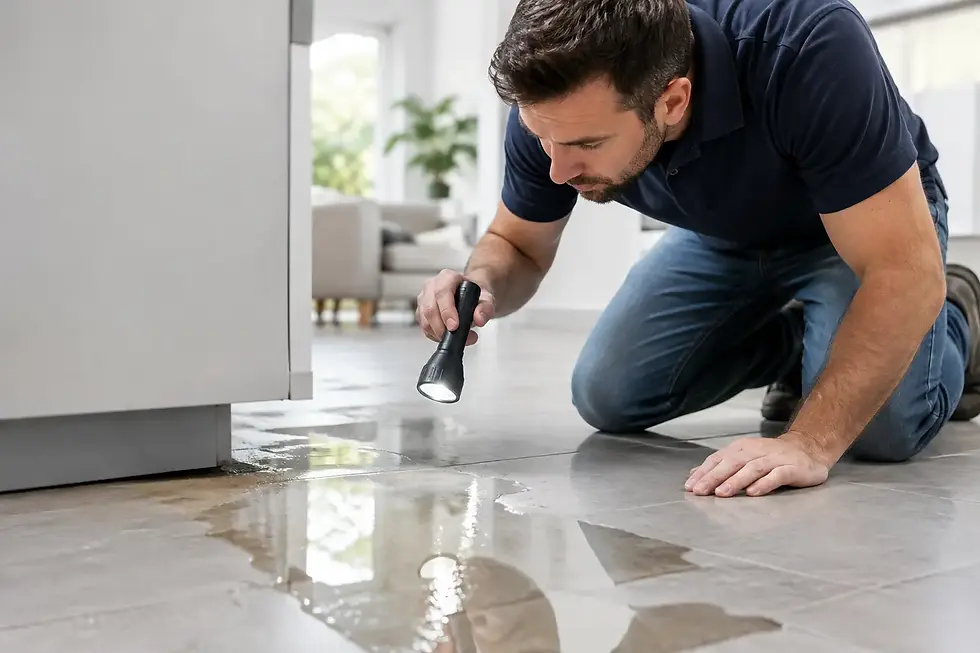
Leaks require faster action. Water may come from a loose pipe connection, a pressure relief valve, a drain valve, or the tank itself. A connection or valve may be repairable. A leak from the body of a corroded tank generally means replacement is the safer long-term answer.
Pay attention to sounds, too. Popping, rumbling, or banging often occurs when sediment hardens at the bottom of a tank. The heater has to work harder to heat water through that buildup, which can raise energy use and put added stress on the system.
What to Do When Hot Water Stops Working
The right first step depends on what you see and smell. If there is active flooding, shut off the water supply to the heater if you can do so safely, move valuables away from the area, and call for emergency plumbing service. Do not touch standing water near an electric water heater or electrical equipment.
If you smell gas near a gas water heater, leave the area and follow your gas utility's emergency instructions. Do not try to relight the pilot, use switches, or search for the source of the leak. Gas and venting problems need immediate professional attention.
For a heater that has simply stopped producing enough hot water, avoid repeated resets or attempts to take the unit apart. A tripped breaker, thermostat issue, pilot problem, or failed component may be involved, but the same symptom can have several causes. A proper inspection avoids replacing parts that do not solve the actual problem.
Water Heater Repair in Staten Island: Common Causes
Water heaters in homes, apartments, restaurants, offices, and other local properties deal with regular demand, changing seasonal temperatures, and normal wear over time. The exact repair depends on the unit's fuel source, age, size, condition, and installation.
Electric water heaters commonly need service for failed upper or lower heating elements, thermostats, wiring issues, or electrical connections. Gas water heaters may develop problems with ignition components, pilot assemblies, thermocouples, burners, gas controls, or venting. Both types can experience leaks, sediment buildup, pressure relief valve concerns, and worn plumbing connections.
Tankless water heaters have different needs. They can provide dependable on-demand hot water, but scale buildup, ignition issues, flow restrictions, and error codes should be handled by a trained professional familiar with the equipment. Repairing a tankless system is not the same as repairing a conventional storage-tank heater.
Commercial properties may face additional concerns. A restaurant, salon, office, or multifamily building cannot afford extended hot-water interruptions. The system may serve multiple fixtures, operate at a higher capacity, or require a coordinated repair plan that minimizes disruption to customers and tenants.
Repair or Replacement: How to Make the Right Call
A repair is often the practical choice when the water heater is relatively new and the problem is limited to a replaceable part or connection. Replacing a heating element, valve, thermostat, ignition component, or fitting can restore performance without the cost of a new unit.
Replacement becomes more sensible when the tank is leaking from corrosion, repairs are becoming frequent, or the heater is nearing the end of its expected service life. Conventional tank water heaters often last roughly 8 to 12 years, though maintenance, water quality, usage, and installation conditions all affect that timeline.
Price matters, but the lowest immediate cost is not always the best value. An older heater may accept a repair today and fail soon after. On the other hand, replacing a unit too early can waste money when a straightforward repair would have safely restored it. A clear diagnosis and a free estimate help property owners make an informed decision.
When replacement is needed, sizing is just as important as choosing the equipment. A unit that is too small will struggle during morning showers or busy business hours. One that is oversized can cost more to install and operate than necessary. A professional can account for household size, fixture use, fuel type, available space, venting requirements, and existing plumbing connections.
Why Professional Service Protects Your Property
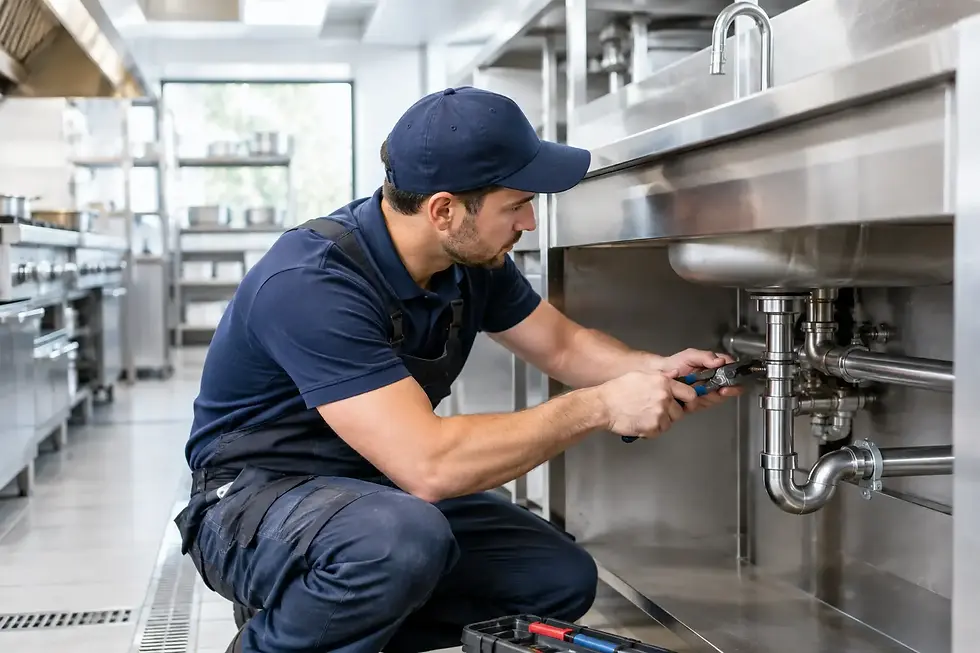
Water heater work involves more than changing a part. Safe service may require checking shutoff valves, supply lines, drain connections, pressure relief components, combustion air, flue venting, electrical connections, and local installation requirements. Problems in any of these areas can create risks beyond the loss of hot water.
Professional service also means clear communication. You should know what is causing the issue, what work is recommended, and whether repair or replacement makes more sense for your property. For homeowners, landlords, and business owners, that clarity makes an inconvenient breakdown easier to manage.
JV Mechanical provides responsive plumbing and heating service for Staten Island properties, including emergency situations where a leaking or failed water heater cannot wait. Licensed and insured service gives customers confidence that the job is being handled with care, professionalism, and accountability.
Maintenance That Can Help Prevent Surprise Failures
No water heater lasts forever, but routine attention can reduce avoidable problems. An annual professional inspection can identify early corrosion, verify safe operation, check for leaks, and address sediment before it becomes a larger performance issue.
For tank units, periodic flushing may help manage sediment buildup, although the proper approach depends on the heater's condition and age. If a neglected older tank has heavy corrosion or buildup, aggressive flushing is not always the right choice. That is another situation where a plumber's assessment is more useful than a one-size-fits-all fix.
It also helps to keep the area around the heater accessible and dry. Do not store boxes, paint, or household items against the unit, especially near gas equipment. Check occasionally for dampness, corrosion on visible connections, or changes in hot-water performance, then schedule service before a minor issue turns into an emergency.
A dependable supply of hot water should not be something you have to think about every day. If your heater is leaking, making unusual noises, producing rusty water, or failing to keep up, arranging a professional inspection now can protect your comfort, your property, and your peace of mind.

Comments