
How Much Does Plumbing Leak Detection Cost?
A water stain that grows overnight, a musty smell behind a wall, or a water bill that suddenly jumps can make any property owner worry about what is happening out of sight. When customers ask, “how much does plumbing leak detection cost?” the honest answer is that pricing depends on where the leak is, how difficult it is to access, and which tools are needed to find it without causing unnecessary damage.
For most homes and small commercial properties, professional leak detection is a practical investment. Finding the source early can prevent damaged ceilings, mold concerns, warped flooring, lost water, and a much larger repair later.
How Much Does Plumbing Leak Detection Cost in Staten Island?
A professional plumbing leak detection visit commonly costs between $150 and $600 for a straightforward issue. More complicated hidden leaks, slab leaks, underground line leaks, or commercial investigations can cost $500 to $1,000 or more, particularly when specialized electronic equipment, thermal imaging, or extensive testing is required.
That price is generally for locating and diagnosing the leak. The cost to repair the pipe, fixture, drain, or water line is separate because the repair scope is not always known until the source is confirmed.
A basic service call may be enough when the problem is visible, such as a leaking shutoff valve under a sink, a dripping supply line, or a toilet that is clearly running. In those situations, a licensed plumber can often identify the issue quickly and provide a repair estimate on site.
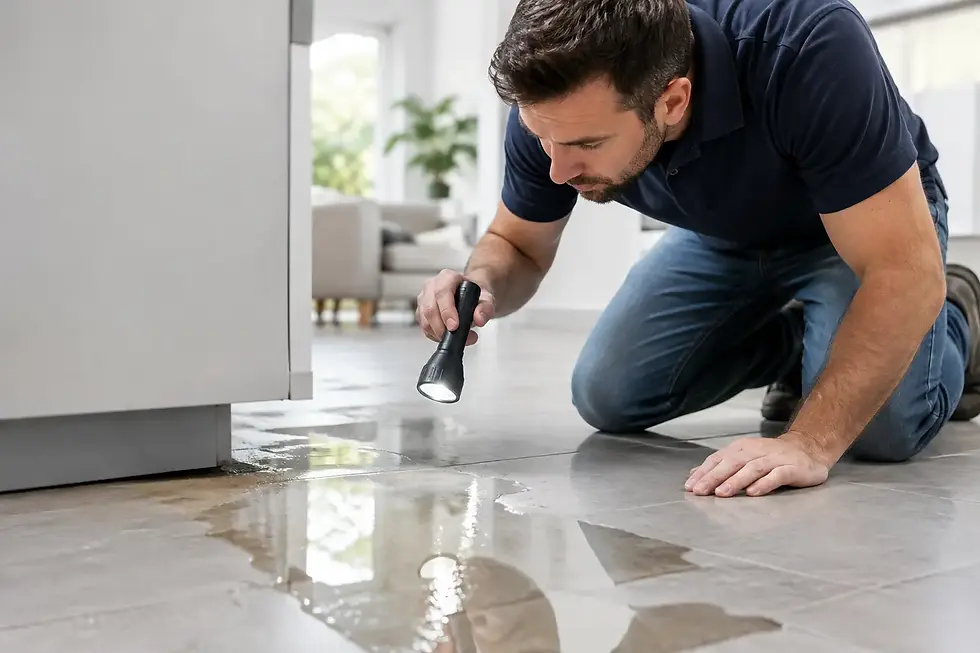
Hidden leaks require more investigation. Water may travel along framing, pipes, ceilings, or floors before it becomes visible, which means the stain on the wall is not always directly below the failed pipe. The value of professional detection is finding the actual source before opening walls or flooring based on a guess.
What Affects Leak Detection Pricing?
The location of the leak is the biggest factor. A leak beneath a kitchen sink is usually easier to inspect than one behind a tiled shower wall, under a concrete slab, or in a buried exterior water line. Accessible problems generally take less time and require fewer diagnostic tools.
Type of Leak and Plumbing System
A pressurized water-line leak is often detected differently from a drain leak. Water-line leaks may cause a water meter to run when all fixtures are off, reduced water pressure, or a persistent wet area. Drain leaks may only appear when a shower, sink, washing machine, or other fixture is in use.
Heating systems can also develop leaks. A boiler or radiator system that loses pressure, shows signs of corrosion, or needs frequent makeup water may need a careful inspection. The right diagnostic approach depends on the system, its age, and where its piping runs through the property.
Access to the Area
The work may take longer if pipes are behind finished walls, under flooring, above ceilings, inside a crawl space, or in a hard-to-reach commercial utility area. Access does not always mean demolition is necessary. In many cases, professional testing can narrow down the location before any wall or floor is opened.
However, if access panels need to be removed, fixtures must be disconnected, or the affected area is especially difficult to reach, the inspection cost can increase. Older Staten Island homes can present added challenges because plumbing may have been altered over the years, covered during renovations, or installed in tight spaces.
Detection Equipment Needed
A plumber may begin with a visual inspection, pressure testing, water meter checks, and fixture testing. When the source is not obvious, additional tools may be used to locate the leak more precisely. These can include acoustic listening equipment, moisture meters, thermal imaging, video camera inspection for drains, and other non-invasive methods.
Specialized equipment adds value when it helps avoid opening large sections of drywall, tile, or flooring. It may raise the diagnostic price, but it can reduce restoration costs and shorten the time it takes to begin the correct repair.
Emergency Timing
A leak that is actively damaging a ceiling, flooding a basement, or affecting a business may require emergency service outside regular hours. After-hours, weekend, and holiday visits can carry higher rates. In an active emergency, the first priority is usually shutting off the water, stopping further damage, and making the area safe. A complete diagnosis and permanent repair may follow once the immediate situation is under control.
What Does a Leak Detection Visit Usually Include?
A professional visit should begin with questions about what you have noticed: when the issue started, which fixtures are involved, whether the water bill changed, and whether there has been recent construction or plumbing work. That information helps narrow down the likely source.
The plumber may inspect exposed plumbing, test fixtures, check for moisture, evaluate water pressure, and determine whether the water meter indicates a hidden supply leak. For a suspected drain leak, testing may involve running water through specific fixtures one at a time to isolate the affected line.
Once the likely source is identified, you should receive a clear explanation of what was found, what repair is recommended, and what the next steps may involve. A professional plumber should not pressure you into unnecessary work or begin a major repair without discussing the scope and pricing.
Leak Detection Cost vs. Repair Cost
It helps to separate diagnosis from repair when comparing estimates. Leak detection answers the question, “Where is the problem?” Repair addresses what it takes to correct it and restore the affected area.
For example, locating a small leak behind a bathroom wall may be relatively quick. Repairing it could involve opening drywall, replacing a section of pipe, testing the repair, and coordinating any wall restoration afterward. A leak under a slab or in a buried line can require a more involved repair plan, such as rerouting piping or excavating a specific area.
The least expensive option is not always the best value. A low diagnostic price is less helpful if it results in unnecessary openings or fails to identify the actual issue. A properly licensed and insured plumber can explain the trade-offs so you can make an informed decision for your property.
Signs It Is Time to Schedule Leak Detection
Do not wait for a small sign to become a major repair. Professional leak detection is worth considering if you notice a higher water bill without a clear explanation, the sound of water when fixtures are off, a warm spot on the floor, peeling paint, recurring dampness, discoloration on ceilings or walls, low water pressure, or a persistent musty odor.
For business owners and property managers, quick action matters even more. A hidden leak can interrupt operations, affect tenants or customers, damage inventory, and create avoidable downtime. Early detection helps protect the building as well as the people using it.
If water is actively flowing, a ceiling is sagging, or flooding is occurring, shut off the main water supply if it is safe to do so and call for emergency plumbing service. Avoid using electrical equipment near standing water.
How to Keep Leak Costs From Growing
The best way to control leak-related costs is to act on early warning signs and provide the plumber with useful details. Take photos of stains or standing water, note when you first saw the problem, and keep track of which fixtures cause it to worsen. If your water bill increased, have a recent bill available for comparison.
Avoid repeatedly patching a visible stain or relying on temporary sealants when the source has not been found. Those measures can hide evidence while the leak continues behind the surface. Likewise, opening walls on your own may create extra repair work without locating the problem.
At JV Mechanical, the focus is on giving Staten Island property owners a direct, professional assessment so they can move from uncertainty to a practical repair plan. A clear diagnosis and a straightforward estimate make it easier to protect your home or business without unnecessary disruption.
A hidden leak rarely becomes cheaper by waiting. Addressing the first signs with a qualified plumber can protect your property, conserve water, and give you a clearer path to the right repair.


Comments