
What Is Classed as a Plumbing Emergency?
A pipe bursts behind a wall at 11 p.m., the toilet starts backing up onto the bathroom floor, or there is suddenly no hot water before a busy workday. In moments like these, homeowners and business owners need to know what is classed as a plumbing emergency and whether waiting until morning could make the damage worse. The simple answer is this: it is an emergency when a plumbing issue is causing active damage, creates a health or safety concern, or prevents you from safely using essential water or drainage fixtures.
A fast, professional response can limit damage to flooring, walls, inventory, equipment, and personal belongings. It can also keep a small repair from becoming a major restoration project. If you are unsure, it is always reasonable to call a licensed plumber, explain what is happening, and get clear guidance on the next step.
What Is Classed as a Plumbing Emergency at Home?
Not every drip or slow drain needs a middle-of-the-night service call. A faucet that drips into a sink or a toilet that runs occasionally can often be scheduled during regular hours. But a plumbing problem becomes urgent when water is escaping where it should not, wastewater cannot drain safely, or an essential system has failed in a way that affects the property.
Burst Pipes and Active Water Leaks
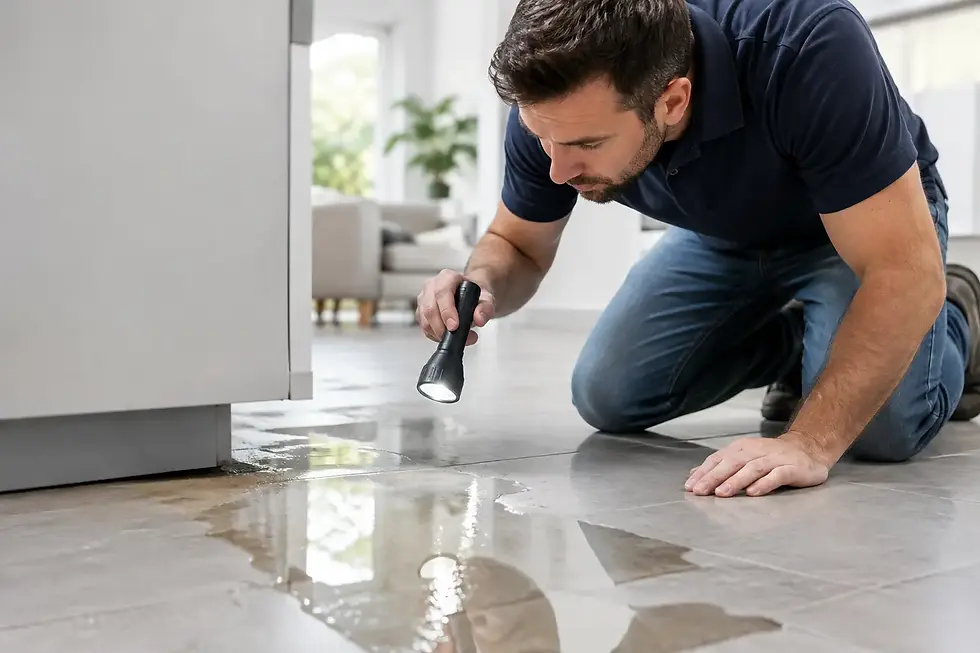
A burst pipe is a clear plumbing emergency. Water can move quickly through ceilings, walls, insulation, and floors, especially in multi-level Staten Island homes. Even a leak that does not look dramatic can be serious if water is pooling, staining a ceiling, dripping through light fixtures, or coming from behind a wall.
Turn off the nearest fixture shutoff valve if you can safely reach it. If the leak is larger or the source is unclear, shut off the main water supply to the property. Move valuables away from the affected area, avoid electrical fixtures or outlets near standing water, and call for emergency plumbing service.
Frozen pipes deserve the same attention. A frozen line may not be leaking yet, but pressure can build inside the pipe and cause it to split as the ice thaws. Do not use an open flame or attempt an aggressive do-it-yourself thaw. A professional can assess the pipe, restore flow safely, and check for hidden damage.
Sewage Backups and Overflowing Toilets
Sewage coming up through a toilet, tub, shower, or floor drain is an emergency. Wastewater can contain harmful bacteria and can damage finished floors, carpeting, and building materials. This is not a situation to solve with more chemical drain cleaner or repeated flushing.
If one toilet is overflowing, stop flushing and turn off the water valve behind the toilet if possible. If several drains are backing up at once, the issue may involve the main sewer line rather than one fixture. Keep people and pets away from the affected area, do not run dishwashers or washing machines, and arrange professional drain or sewer service promptly.
No Water or a Major Loss of Water Pressure
A complete loss of water can be an emergency, particularly when it affects the entire home or business. The cause may be a main-line leak, a frozen pipe, a failed pressure component, or another issue that needs professional diagnosis. For a business, no working water can interrupt operations and create sanitation concerns.
A minor drop in pressure at one faucet may be a routine repair. However, sudden low pressure throughout the building, water discoloration combined with pressure loss, or a sound of running water when every fixture is off should be treated as urgent.
Water Heater Leaks or Failure
A leaking water heater needs immediate attention. Water around the tank can spread across a utility room or basement, while a failed component can leave a household or business without hot water. If there is visible leaking, turn off the water supply to the heater if you know how and can do so safely.
Gas water heater concerns require added caution. If you smell gas, leave the area, avoid switches, flames, and electrical devices, and contact the gas utility or emergency services as appropriate. Do not try to diagnose a suspected gas leak yourself. A lack of hot water without leaking is not always a late-night emergency, but it may need prompt service depending on the property, weather, occupants, and business needs.
Plumbing Emergencies for Staten Island Businesses
For restaurants, offices, retail spaces, apartment buildings, and other commercial properties, the urgency can be different. A plumbing failure may affect customers, employees, tenants, inventory, or health requirements even when the visible damage seems limited.
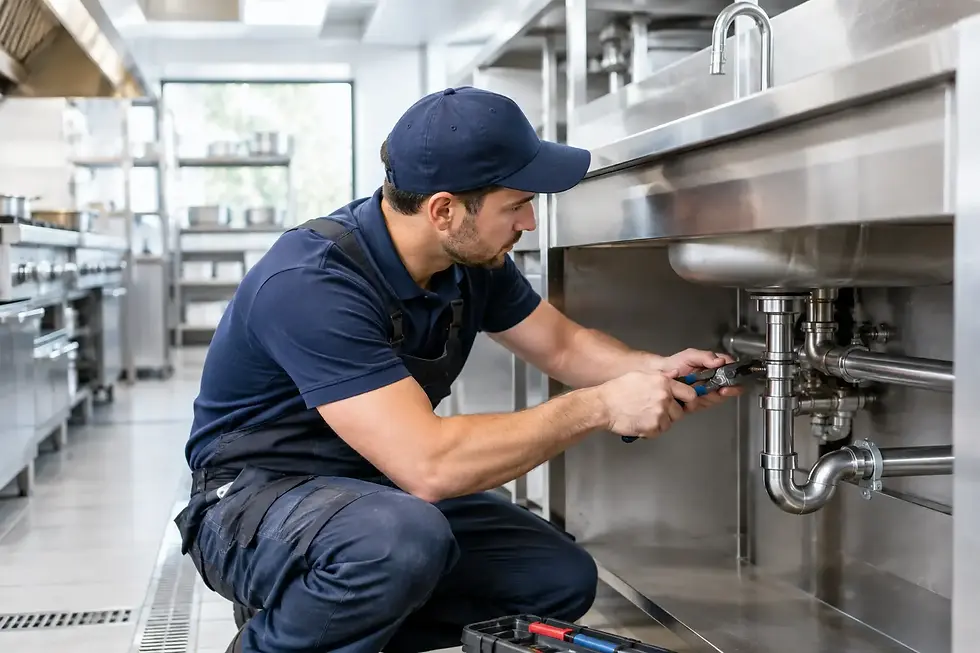
An overflowing restroom, blocked main drain, failed commercial water heater, or leak near electrical equipment should be handled quickly. Property managers also need to consider neighboring suites and units. Water from one apartment, storefront, or utility space can travel into another, expanding both the damage and the disruption.
The practical test is whether the issue makes the premises unsafe, unsanitary, or unable to operate normally. If it does, waiting can cost more than an emergency call.
When the Problem Can Usually Wait
It helps to separate urgent repairs from issues that can be booked for the next available appointment. A slowly dripping faucet, a small toilet fill-valve problem, a single slow-moving sink, or a minor under-sink drip that is fully contained may not require 24/7 service. Place a bucket under a contained drip, stop using the affected fixture, and schedule a repair before the problem grows.
That said, conditions can change. A slow drain that turns into a complete backup, or a small leak that begins soaking cabinetry, is no longer routine. Trust what you see. If water is spreading, drainage has stopped, or you cannot control the source, treat it as an emergency.
What to Do While You Wait for an Emergency Plumber
Your priority is to reduce water exposure without putting yourself at risk. Shut off water to the affected fixture or the main supply when necessary. If a toilet is overflowing, remove the tank lid and carefully lift the flapper into the closed position if you can do so without contact with wastewater. For a water heater leak, avoid touching hot pipes or electrical connections.
Use towels, buckets, or a wet vacuum only where it is safe to do so. Keep children, pets, and customers away from wet areas. Do not use chemical drain products in a backed-up line, and do not keep resetting a tripped breaker near water. Take a few photos for your records once the immediate area is safe, especially if you may need to document property damage.
If you live in a co-op, condo, or rental property, notify the appropriate building contact as soon as possible. Water and sewer problems often affect more than one unit, and the building may need to access a shutoff or coordinate repairs.
Get a Clear, Professional Response
Plumbing emergencies are stressful because the cause is not always visible. What looks like a simple ceiling stain may be a leaking pipe above it. What seems like one clogged toilet may be a main sewer blockage. The right response is not guesswork or a temporary patch that hides the problem.
JV Mechanical provides responsive plumbing support for homeowners and businesses across Staten Island, including South Shore neighborhoods such as Annadale, Eltingville, Great Kills, Huguenot, Tottenville, and Woodrow. A licensed and insured professional can identify the source, explain the repair clearly, and help protect the property from further damage.
When water is flowing where it should not, sewage is backing up, or an essential plumbing system has failed, acting promptly is the most practical way to protect your home or business.

Comments