
Best Water Heater Warning Signs You Shouldn’t Ignore
A water heater rarely stops working at a convenient time. The first sign may be a lukewarm morning shower, a strange sound from the utility room, or water collecting near the tank. Knowing the best water heater warning signs gives you time to arrange a professional repair before a minor concern turns into water damage, loss of hot water, or an emergency call.
For Staten Island homeowners, landlords, and business owners, the right response depends on the symptom, the age of the unit, and whether there is an active leak. Some problems can wait for a scheduled service visit. Others require immediate attention to protect your property.
Best Water Heater Warning Signs to Watch For
Your hot water runs out much sooner than usual
A shower that turns cold faster than it used to is one of the most common early warnings. With a tank-style water heater, this can happen when sediment builds up at the bottom of the tank and takes up space that should hold hot water. It can also point to a failing heating element in an electric unit, a burner problem in a gas unit, or an issue with the thermostat.
One short shower does not always mean the heater is failing. A houseguest, a long laundry cycle, or several people using hot water back-to-back can explain a temporary shortage. But if the change is consistent, it is worth having the system checked. Waiting can leave you with no hot water at all when a component finally fails.
The water is rusty, cloudy, or has an unusual odor
Clear water is what you should expect at the tap. Brown, rusty, or discolored hot water may indicate corrosion inside the water heater tank or deterioration in connecting pipes. If cold water is clear but hot water is discolored, the heater is more likely to be the source.
A metallic smell or an odor similar to rotten eggs can also be a warning sign. Sometimes the cause is a reaction involving the anode rod inside the tank. In other cases, bacteria in the system or water conditions may be involved. The fix is not always a full replacement, but it does require a proper assessment. Do not assume the problem will clear on its own.
You hear popping, rumbling, or banging from the tank
Water heaters should not be loud. A low operating sound is normal, especially when a gas burner is running, but popping, crackling, rumbling, or banging deserves attention.
These noises are often caused by hardened mineral sediment at the bottom of the tank. Water becomes trapped beneath the buildup and creates steam bubbles as it heats. The unit has to work harder, efficiency can drop, and added stress may shorten its service life. In some situations, a professional flush can help. If the tank is older or heavily corroded, replacement may be the more reliable choice.
Water is leaking around the heater
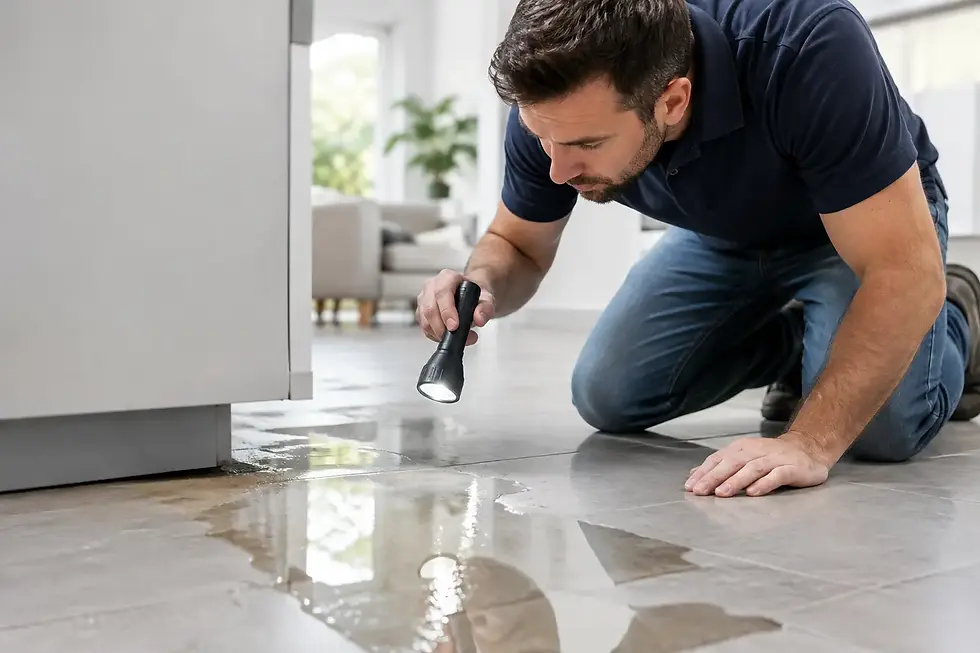
Any water near a water heater should be taken seriously. Look for moisture around fittings, the temperature and pressure relief valve, the drain valve, nearby piping, and the base of the tank. A loose connection or failing valve may be repairable. Water coming directly from the tank itself is generally more serious and can mean the tank has corroded through.
Do not try to diagnose a significant leak by repeatedly tightening connections or ignoring a small puddle. A slow leak can damage flooring, walls, stored belongings, and nearby equipment. If water is actively spreading, turn off the water supply to the heater if you can do so safely and contact a licensed plumbing professional right away.
The temperature is inconsistent or dangerously hot
Hot water that swings from comfortable to cold without warning can point to a thermostat, heating element, burner, mixing valve, or sediment issue. It is frustrating at home and can disrupt normal operations in a restaurant, salon, office, or rental property.
Water that becomes excessively hot is just as concerning. Scalding water creates a safety risk, particularly for children, older adults, and tenants. Do not keep raising the temperature setting to compensate for inconsistent performance. A professional can identify whether the problem is a control setting or a failing component and make the appropriate repair.
The pilot light will not stay lit or the burner looks abnormal
For gas water heaters, a pilot light that goes out repeatedly is not a normal inconvenience. It may involve the thermocouple, gas control valve, venting, combustion air, or another safety-related issue. Yellow or flickering burner flames can also suggest incomplete combustion. A healthy gas burner flame is typically blue.
Never attempt to work on gas connections, venting, or burner components yourself. If you smell gas, leave the area, avoid switches and open flames, and contact the gas utility or emergency services from a safe location. Once the immediate safety concern is addressed, arrange qualified service for the appliance.
Warning Signs That Mean You Should Act Faster
Some water heater issues call for prompt service, while others should be treated as emergencies. Shut off the power to an electric unit at the breaker, or set a gas unit to the appropriate off position only if it is safe and you know how to do so. Then seek professional help without delay if you notice any of the following:
Active water leaking from the tank or a rapidly growing puddle
A gas odor near a gas-fired water heater
Steam, smoking, scorching, or signs of overheating
Water spraying or discharging continuously from the temperature and pressure relief valve
No hot water in a property where it is needed for tenants, customers, or daily operations
The temperature and pressure relief valve is a safety device, not a part to cap, plug, or ignore. Occasional discharge may have a specific cause, but steady leaking can indicate excessive pressure, overheating, or a failed valve. It needs professional attention.
Repair or Replace? The Answer Depends on the Condition
A water heater does not need replacement every time it develops a problem. A failed heating element, thermostat, valve, anode rod, or pipe connection may be repaired when the tank itself is sound. Routine maintenance can also improve performance where sediment is the main issue.
However, replacement often makes more sense when a tank is leaking, heavily corroded, nearing the end of its expected service life, or requiring repeated repairs. Traditional tank water heaters commonly last around eight to 12 years, though water quality, maintenance history, usage, and installation conditions make a difference. A tankless unit follows a different maintenance and lifespan pattern.
The lowest immediate repair cost is not always the best value. If an older unit has multiple problems and is becoming less efficient, putting more money into repairs may only delay replacement. A qualified plumber can explain the condition of the equipment, the available options, and what is practical for your property rather than pushing a one-size-fits-all answer.
Do Not Wait for a Cold Shower to Check Your Water Heater
A quick visual check once in a while can catch trouble early. Watch for dampness, corrosion, unusual sounds, and changes in water quality or temperature. Keep the area around the heater clear so leaks and service needs are easier to spot. For gas units, make sure the space is not blocked in a way that interferes with required airflow or safe access.
Most importantly, do not postpone service when the signs keep returning. Water heaters combine water, heat, pressure, and, in many homes, gas. Professional inspection protects the unit, your comfort, and the property around it.
If you are seeing these warning signs in your Staten Island home or business, JV Mechanical can provide a clear assessment and dependable repair or replacement recommendation. Acting while the problem is still manageable can help keep a small water heater issue from becoming a disruptive, expensive one.

Comments