Can Pipes Burst? Warning Signs and What to Do
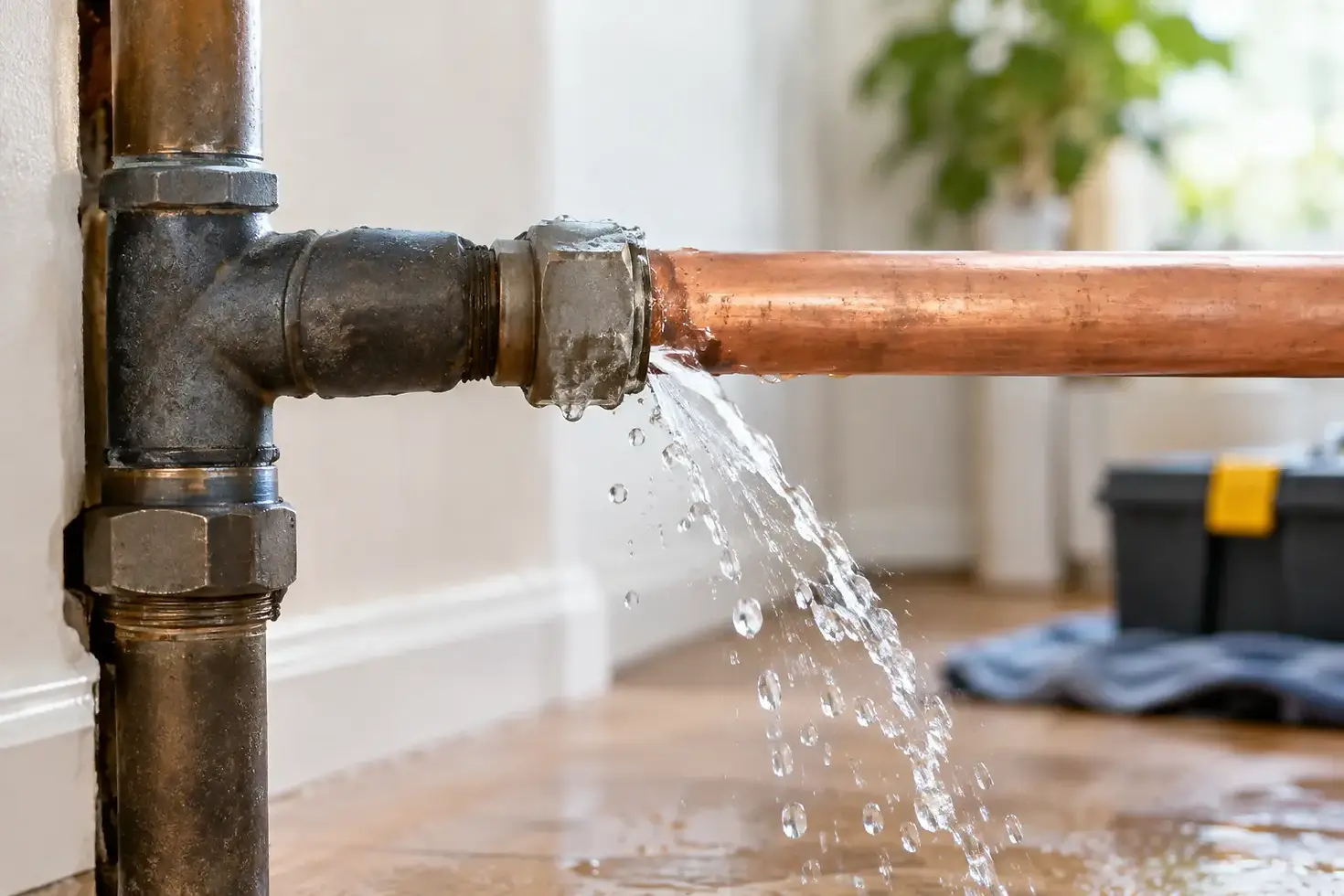
A burst pipe can turn a normal morning into a property emergency in minutes. Can pipes burst without warning? Sometimes, yes - but unusual noises, water pressure changes, cold rooms, and unexplained wet spots often give property owners an opportunity to act before major damage occurs.
For homeowners, landlords, and business owners, the priority is not figuring out a complicated repair. It is stopping the water, protecting the building, and getting a qualified plumber involved quickly. A small split in a supply line can release a surprising amount of water, damaging walls, flooring, inventory, electrical components, and neighboring units.
Can Pipes Burst in Cold Weather?
Yes. Freezing temperatures are one of the most common reasons pipes burst, especially when water lines run through unheated basements, crawl spaces, garages, exterior walls, attics, or vacant portions of a building. As water freezes, it expands. That expansion creates pressure inside the pipe, often at a point where ice has blocked the line.
The pipe does not always break at the frozen section itself. Pressure can build between the ice blockage and a closed faucet, causing a crack or split elsewhere in the line. When temperatures rise and the ice thaws, water begins flowing through the damaged pipe. That is when many people first notice the problem.
Cold weather is not the only cause. Pipes can also burst because of corrosion, age, poor installation, excessive water pressure, shifting pipes, or a failed connection. In commercial properties, high-use plumbing lines and older building systems can be especially vulnerable if maintenance has been deferred.
Signs a Pipe May Be Frozen or at Risk of Bursting
A frozen pipe is not always visible. If you turn on a faucet during cold weather and only a trickle comes out, or no water comes out at all, treat it as a warning sign. Do not assume the issue will resolve on its own once the temperature changes.
Other signs deserve prompt attention. Frost on an exposed pipe, bulging sections of pipe, unusual banging or whistling sounds, a musty odor, damp drywall, peeling paint, or water stains can point to a developing plumbing problem. A sudden drop in water pressure at one fixture may also mean a supply line is restricted or damaged.
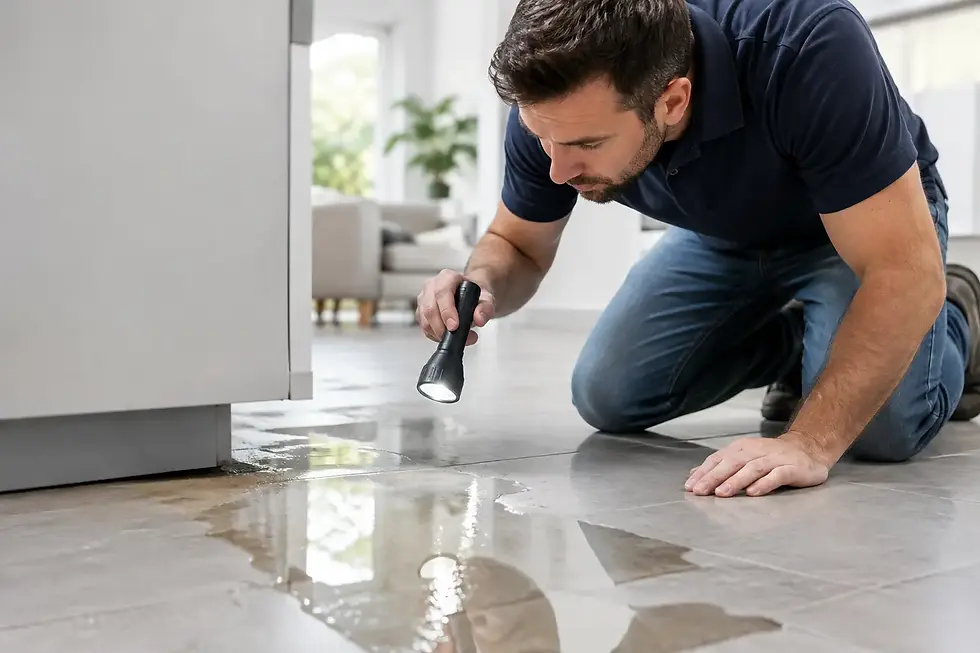
If a ceiling develops a wet spot, a wall feels soft, or water appears near a baseboard, do not wait to see whether it dries. Water often travels before becoming visible. The source may be above, behind, or some distance away from the stain you can see.
Why a Small Leak Still Needs Fast Service
Not every damaged pipe creates a dramatic flood. A pinhole leak behind a wall can release water slowly for days or weeks. That can lead to mold growth, damaged framing, ruined insulation, and a repair that becomes more disruptive than it needed to be.
A professional inspection helps identify the source instead of treating only the visible symptom. This is particularly valuable in multi-unit homes, storefronts, offices, and rental properties where a leak can affect other occupants or interrupt normal operations.
What to Do If You Suspect a Burst Pipe
If water is actively leaking, the first step is to shut off the main water supply to the property. Every responsible property owner should know where the main shutoff valve is located and make sure it can be reached. In many homes, it is near the water meter or where the water line enters the building. Commercial properties may have multiple shutoff points.
After shutting off the water, open faucets to relieve remaining pressure in the lines. If it is safe to do so, turn off electricity to the affected area at the breaker panel. Do not touch outlets, appliances, or electrical equipment that are wet or standing in water.
Move furniture, boxes, merchandise, and other valuables away from the affected area. Use towels, buckets, or a wet vacuum only if conditions are safe. Avoid cutting into walls, using open flames to thaw pipes, or attempting a patch on a pressurized line. Temporary fixes can fail quickly and may make it harder to assess the full damage.
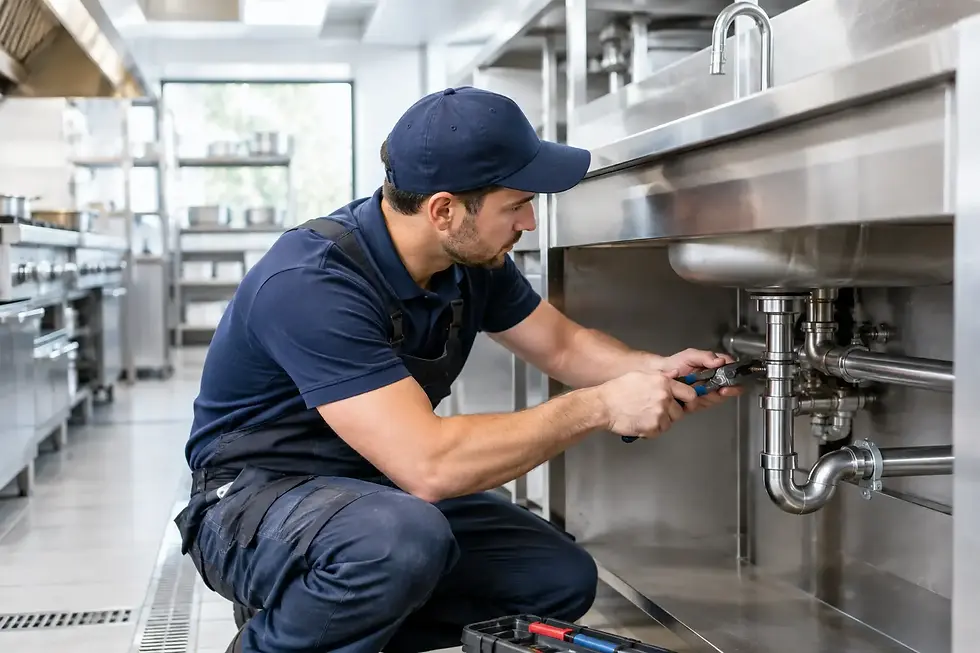
Then call a licensed and insured plumbing professional. An emergency plumber can isolate the damaged line, make the necessary repair, check for related issues, and help restore water service safely. If the leak is substantial, documenting visible damage with photos may also be useful for insurance purposes after the immediate hazard is under control.
What Not to Do With Frozen Pipes
Never use a torch, propane heater, or other open flame to thaw a frozen pipe. Aside from the fire risk, intense direct heat can damage the pipe or surrounding materials. Do not strike the pipe with a hammer or assume that wrapping it tightly will solve an internal ice blockage.
If you can identify a frozen pipe before it bursts, gentle heat may help in limited circumstances. A warm room, a hair dryer used carefully, or a heating pad can sometimes thaw an accessible pipe. However, stop immediately if you see a crack, moisture, or swelling. If there is no water flow after reasonable warming, or if the pipe is hidden inside a wall or ceiling, it is time to call for professional service.
How to Lower the Risk of Burst Pipes
Prevention is usually much less expensive than emergency water damage restoration. Before freezing weather arrives, protect exposed lines in unheated spaces with proper insulation. Seal gaps near exterior walls, utility openings, and foundation penetrations where cold air can reach plumbing.
Keep indoor temperatures consistent, including in rooms that are rarely used. Opening cabinet doors below sinks can help warmer indoor air reach supply lines on exterior walls. During severe cold, allowing a small trickle of water to run may reduce the chance of freezing in vulnerable fixtures, though it is not a substitute for insulation or needed repairs.
For vacant homes, seasonal properties, or commercial spaces closed for extended periods, consider a professional winterization plan. The right approach depends on the building, its heating system, and whether water service needs to remain active. Simply turning the heat down too far can create a costly risk.
Maintenance also matters year-round. Older pipes, recurring leaks, corroded fittings, and unstable water pressure should be evaluated before they become emergencies. A repair that seems minor today may prevent a major service interruption later.
When to Call an Emergency Plumber
Call for immediate help when water is flowing from a wall, ceiling, floor, or exposed pipe; when a pipe has visibly split; when you cannot shut off the water; or when the leak is close to electrical equipment. Fast action is also appropriate if a business is at risk of closing, a tenant’s living area is affected, or water may be reaching another unit.
For Staten Island property owners, a local emergency plumber can provide the accountability and response needed when every minute matters. JV Mechanical handles urgent plumbing issues with a focus on clear communication, professional workmanship, and protecting the property from further damage.
A burst pipe is stressful, but the next step can be simple: shut off the water if you can do so safely, protect the area, and get qualified help before a manageable repair becomes a larger loss.

Comments