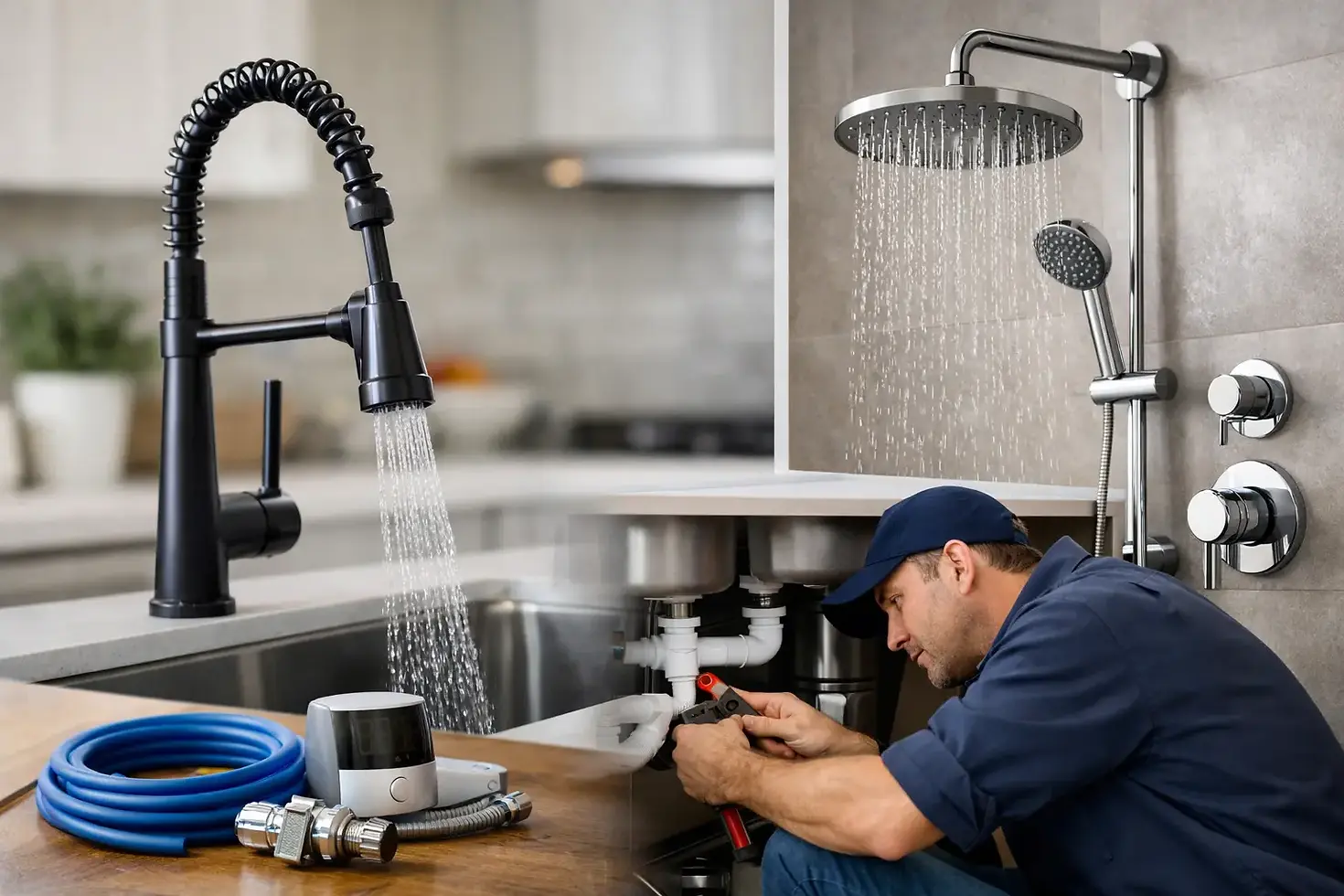
Best Plumbing Upgrades Homeowners Can Make
A plumbing upgrade is most valuable when it prevents the call nobody wants to make: a water heater that fails on a cold morning, a hidden leak that damages a ceiling, or a drain backup that interrupts the whole household. The best plumbing upgrades homeowners can make are not always the flashiest ones. They are the improvements that match the age of the property, the condition of existing pipes, and the way the household actually uses water.
For Staten Island homes, that often means looking beyond a new faucet. Older plumbing materials, hard-working fixtures, changing family needs, and New York City water costs can all affect which project makes sense. A licensed, insured plumber can assess the system as a whole and help you prioritize work that protects your home rather than simply adding features.
Start With the Upgrades That Prevent Damage
Before choosing a comfort or design upgrade, take care of the plumbing components that can cause expensive damage when they fail. Many homeowners understandably put off work that is out of sight, but hidden pipes, aging valves, and worn water heater connections deserve attention first.
Replace aging shutoff valves and supply lines
Every toilet, sink, dishwasher, refrigerator line, and washing machine depends on small connections that can wear out over time. Old multi-turn shutoff valves may seize when you need them most. Corroded supply lines can fail without much warning, especially where they are exposed to moisture or tucked behind a fixture.
Replacing them with dependable quarter-turn valves and quality braided supply lines is a relatively focused upgrade that can make a real difference during a leak. It also makes future fixture repairs easier because the water can be shut off locally instead of at the main valve.
Add leak detection where it matters most
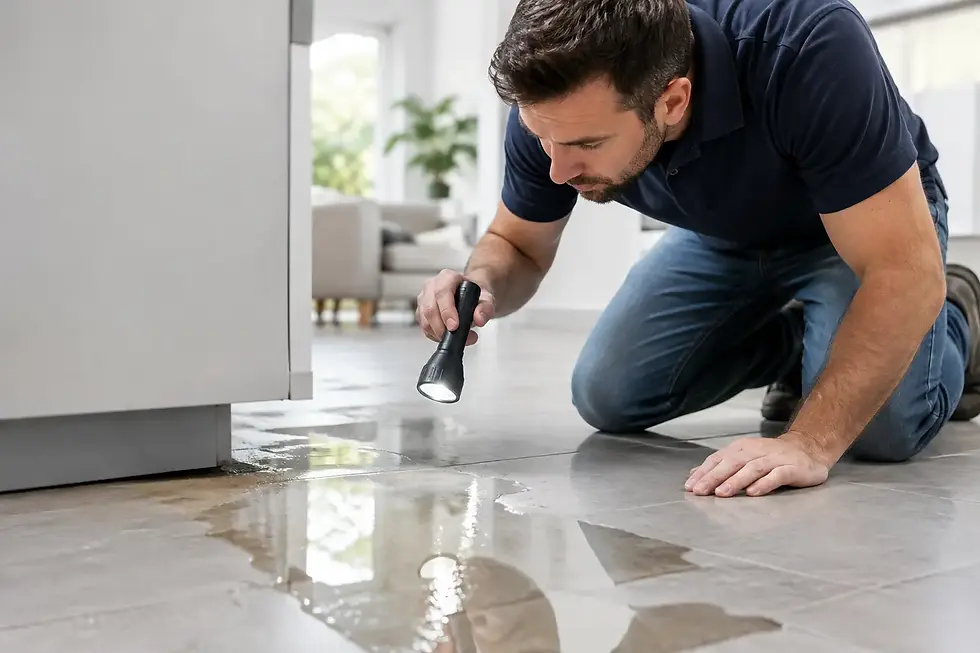
A leak detection system can alert you to unusual water use or automatically shut off the main water supply when it detects a major leak. This is particularly worthwhile for homeowners who travel often, own a second property, or have finished basements where water damage can become costly quickly.
There is a trade-off. Basic leak alarms are affordable but only notify you near the device. Whole-home automatic shutoff systems offer stronger protection, but require professional installation and may need adjustment if the home has unusual water-use patterns. For many properties, a combination of a main shutoff device and sensors near the water heater, washing machine, and under-sink cabinets is a sensible approach.
Upgrade the main water shutoff if it is difficult to operate
A main shutoff valve should be easy to locate and dependable in an emergency. If yours is stiff, corroded, inaccessible, or unknown, replacing it should be a priority. The goal is simple: when a pipe breaks, you should not lose valuable minutes trying to find or force a failing valve.
Improve Daily Comfort With the Right Water Heater
A water heater affects showers, laundry, dishwashing, and the overall comfort of the home. If the unit is nearing the end of its expected service life, producing rusty water, making popping noises, or struggling to keep up with demand, replacement is often more practical than repeated repair.
Choose between a tank and tankless system carefully
A traditional tank water heater is familiar, generally less expensive to install, and can be an excellent choice for many homes. The key is choosing the right tank capacity for the number of people and bathrooms in the household.
A tankless water heater provides hot water on demand and can save space, but it is not automatically the right answer for every property. It may require changes to gas lines, venting, electrical service, or water piping. Its performance also depends on proper sizing. A system that is too small may struggle when multiple showers and appliances run at the same time.
The right choice depends on your home’s layout, fuel source, demand, and budget. A professional estimate should explain the full installation scope, not just the cost of the unit itself.
Install a water heater safety pan and drain connection
If a water heater is located above a finished area or in a spot where a leak could damage flooring, walls, or ceilings, a properly installed drain pan and drain line provide an added layer of protection. This is a modest upgrade, but it can direct small leaks away from vulnerable areas and give you time to address the issue.
It does not replace regular maintenance. Pressure relief valves, expansion tanks where required, venting, and connections still need professional attention. But it is a practical safeguard that many homeowners overlook.
Reduce Water Waste Without Sacrificing Performance
Modern water-saving fixtures have improved considerably. The best options do not feel weak or inconvenient. Instead, they use water more efficiently while maintaining the pressure and performance households expect.
Replace an older toilet with a high-efficiency model
Older toilets can use several gallons per flush. A modern high-efficiency toilet can reduce water use significantly, especially in a busy household. This upgrade makes sense when an existing toilet runs regularly, clogs frequently, has cracks, or requires repeated repairs.
Do not choose based on water-use rating alone. Flushing performance, bowl design, height, and the condition of the drain line all matter. A toilet with poor clearing performance is not a bargain if it leads to frequent clogs and service calls.
Install pressure-balanced shower valves
A pressure-balanced shower valve helps keep water temperature steadier when someone flushes a toilet, starts the washing machine, or runs a sink elsewhere in the house. For families with multiple bathrooms, this can be one of the most noticeable plumbing upgrades in everyday life.
This project may involve opening a wall, depending on the existing valve and access. It is often easiest to complete during a bathroom renovation, but it can still be worthwhile as a standalone improvement when shower temperature changes are a recurring problem.
Upgrade to efficient showerheads and faucets
A quality low-flow showerhead can reduce water consumption while still delivering a satisfying shower. Kitchen and bathroom faucets with efficient aerators offer similar benefits for handwashing, shaving, and daily cleanup.
Avoid assuming every low-flow fixture will feel the same. Product quality and the home’s water pressure affect the experience. If low pressure is already an issue, have the cause evaluated before installing new fixtures. The problem could be mineral buildup, a failing pressure regulator, undersized piping, or another condition that deserves repair.
Address Pipe Condition Before Remodeling
A new kitchen or bathroom can look finished while old piping behind the walls remains a future concern. If your home has galvanized pipes, recurring pinhole leaks, visible corrosion, discolored water, or inconsistent water pressure, consider evaluating the supply piping before investing heavily in cosmetic work.
Consider targeted repiping or whole-home repiping
Repiping is a larger project, but it can solve persistent water-quality, pressure, and leak concerns caused by deteriorated plumbing lines. Not every home needs a complete repipe. In some cases, replacing the most problematic branch lines or exposed basement piping is the right first step.
The decision comes down to pipe material, age, accessibility, leak history, and renovation plans. A clear professional assessment should identify what is necessary now, what can reasonably wait, and what work may be more cost-effective to combine with a planned remodel.
Replace vulnerable drain sections
Drain pipes can corrode, crack, sag, or develop poor connections over time. Repeated clogs in the same fixture are not always a simple drain-cleaning issue. They may point to a damaged or poorly sloped line that needs repair.
Camera inspection can help identify the condition of concealed drain lines before you commit to a larger upgrade. This is especially helpful before finishing a basement, renovating a kitchen, or purchasing an older property. Knowing what is below the floor or behind the wall helps prevent a new renovation from being opened up shortly afterward.
Do Not Forget Sump Pumps and Backflow Protection
For homes with basements, a dependable sump pump can be one of the most valuable protective upgrades available. A primary pump should be tested regularly, and a battery backup can provide added reassurance during severe weather or power outages. The best setup depends on whether the property has a history of water intrusion and how much risk is involved if the pump stops working.
Backflow prevention is another upgrade that matters in the right situation. It helps protect the potable water supply from contamination caused by water flowing in the wrong direction. Requirements vary by property type and plumbing configuration, so this is work that should be evaluated and installed by a qualified professional.
Plan the Work Around Your Home, Not a Sales Pitch
The best plumbing upgrades for homeowners should solve a clear problem, reduce a known risk, or support a planned renovation. A reliable plumber will explain your options, identify necessary repairs, and provide an honest estimate without pushing work that does not fit the property.
If you are dealing with recurring leaks, unreliable hot water, water pressure problems, or drain backups, address those warning signs before they grow. JV Mechanical helps Staten Island homeowners make practical plumbing decisions with professional service, clear communication, and solutions built around the needs of the home. A timely inspection today can protect the rooms, belongings, and routines that matter most tomorrow.

Comments