
10 Signs You Need Drain Cleaning at Home
A kitchen sink that takes a little longer to empty can feel like a minor annoyance. But when water begins pooling around your feet in the shower, toilet flushing becomes unpredictable, or a foul odor reaches the room, the problem has moved beyond inconvenience. Recognizing the signs you need drain cleaning early can help protect your home or business from a messy, disruptive backup.
Drain problems rarely fix themselves. Grease, soap residue, hair, food particles, paper products, and mineral buildup can collect inside pipes over time. In older Staten Island properties, aging drain lines or tree-root intrusion may also play a role. A professional drain cleaning service identifies where the restriction is and clears it safely, rather than simply pushing the problem farther down the line.
Common Signs You Need Drain Cleaning
1. Your sink, tub, or shower drains slowly
A slow drain is often the first warning sign. Water may eventually go down, but it lingers longer than it used to. In a bathroom, hair and soap scum are frequent causes. In a kitchen, grease and food debris are usually the issue.
One slow fixture may point to a localized clog near that drain. It is still worth addressing before it hardens into a full blockage. Repeatedly using store-bought liquid drain cleaners is not a dependable solution. These harsh chemicals can damage certain pipes and may create a safety concern when a plumber needs to work on the line later.
2. Water backs up instead of draining
Water coming back up through a sink, tub, floor drain, or toilet calls for prompt attention. A toilet that causes water to rise in the shower or tub after flushing is especially concerning. That often indicates a blockage in a shared branch line or the main sewer line.
Stop using water in the affected area until the cause is assessed. Continuing to flush, run the dishwasher, or drain a washing machine can turn a manageable clog into an overflow that damages floors, cabinets, inventory, or finished spaces.
3. Multiple drains are acting up at once
When several drains become slow or clogged at the same time, the issue is unlikely to be a single hair clog in one bathroom sink. You may notice a slow kitchen sink, gurgling toilet, and tub backup within the same day. This pattern can mean the main drain line is restricted.
For homeowners, that can put lower-level bathrooms and laundry areas at risk. For business owners, a main line issue can interrupt restroom use, food service, or daily operations. This is a situation where professional diagnosis matters because the correct solution depends on the location and severity of the blockage.
4. You hear gurgling from drains or toilets
Drain lines should move water quietly. Gurgling, bubbling, or glugging sounds usually mean air is being trapped or forced through water because the line is partially blocked. You may hear it after flushing a toilet or when water leaves a sink.
The sound alone does not always mean an emergency, but it is a clear signal that normal drainage is being affected. Scheduling service before the pipe closes completely can prevent a more urgent call later.
5. Your home has persistent sewer or drain odors
A drain should not make your kitchen, bathroom, basement, or commercial space smell like sewage. Persistent odors can develop when waste is sitting in a partially blocked line, when buildup is collecting inside a drain, or when there is a larger sewer issue.
A dry floor drain can sometimes cause an odor, particularly in an infrequently used utility room. In that case, adding water may restore the trap seal. But if the smell returns, appears in several rooms, or comes with slow drains and gurgling, have the system inspected. Sewer odors should not be ignored.
6. The toilet clogs more often than usual
An occasional toilet clog can happen, especially in a busy household. A toilet that repeatedly clogs despite normal use is different. It may indicate buildup in the toilet trap or drain line, or it may be connected to a broader blockage farther down the system.
Avoid treating repeated clogs as a reason to keep plunging harder. If the toilet is slow to clear, gurgles, or causes another fixture to react, professional drain cleaning can address the underlying restriction instead of providing another temporary reset.
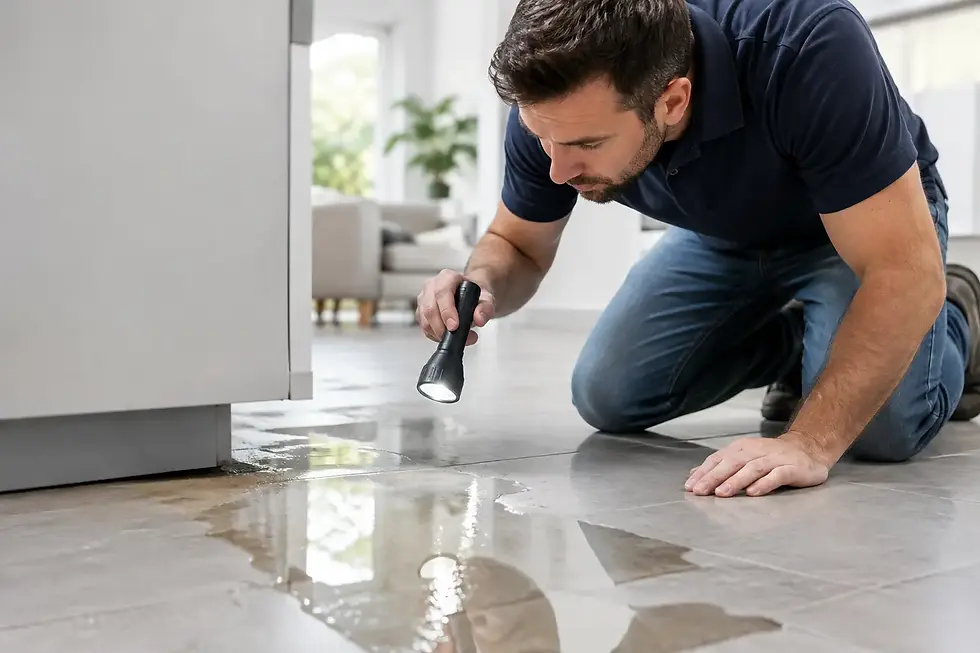
7. You find water around floor drains or appliances
Water near a basement floor drain, washing machine, water heater area, or utility sink can be an early warning of poor drainage. In some cases, the water is coming from the appliance itself. In others, a blocked drain is preventing wastewater from moving where it should.
If the water is dirty, has an odor, or appears after using plumbing fixtures, treat it as a possible drainage backup. Protecting the area quickly matters, particularly if storage, finished rooms, electrical equipment, or business supplies are nearby.
8. Drain problems keep returning
A sink that clogs every few weeks is telling you something. Quick fixes may open a narrow channel through the blockage, but they do not always remove the grease, scale, roots, or compacted debris lining the pipe.
Recurring clogs are a strong reason to have the line professionally evaluated. Depending on the problem, the appropriate service may be conventional drain cleaning, a more thorough cable cleaning, or camera inspection to look for damaged pipe, root intrusion, or a sagging line. The right approach depends on what is actually inside the pipe.
9. Your drains have become noticeably slower over time
Not all drainage problems arrive suddenly. Gradual slowdown is common when buildup develops over months or years. You may first notice that the kitchen sink needs an extra minute to empty, then the dishwasher leaves water behind, or the bathroom sink begins holding water during normal use.
This is the ideal time to act. A planned service appointment is usually less stressful than waiting for a weekend blockage, an overflowing toilet, or a sewage backup that requires emergency attention.
10. You have an older sewer line or nearby mature trees
Older homes may have drain or sewer lines made from materials that are more vulnerable to corrosion, shifting, or root intrusion. Mature trees can be beautiful on a property, but roots naturally seek moisture and can enter small openings in a sewer line. Once inside, they can catch debris and gradually restrict flow.
You cannot confirm root intrusion just by looking at a slow drain. However, if an older property has recurring main-line clogs, slow drains throughout the building, or backups that return after previous clearing, professional inspection is a sensible next step.
When a Drain Problem Is an Emergency
Some drain issues can wait for a regular appointment. Others need immediate action. Contact a professional promptly if sewage is backing up into a tub, shower, sink, or floor drain; multiple fixtures stop draining; a toilet overflows and will not stop; or wastewater is entering a finished basement or commercial area.
Until help arrives, avoid running water, flushing toilets, using the washing machine, or operating the dishwasher. If possible, keep people and pets away from contaminated water. Do not mix chemical drain cleaners with other products or attempt to open a pipe that may be under pressure.
Why Professional Drain Cleaning Is Worth It
A plunger can be useful for a simple toilet clog, and a drain screen can help prevent hair from entering a shower drain. But recurring or widespread drain problems require more than a surface-level fix. Professional equipment is designed to clear blockages while helping identify whether the problem is buildup, a foreign object, roots, or a damaged line.
Working with a licensed and insured plumber also gives you a clearer picture of what is happening and what the recommended repair involves. For homeowners, that means protecting the property. For landlords, property managers, and business owners, it means reducing downtime and avoiding a preventable sanitation issue.
When drainage changes, trust what you are seeing and hearing. A prompt service call for a slow drain or gurgling toilet can be the practical step that keeps a small plumbing concern from becoming a major cleanup.


Comments