
Drain Gurgling Causes and When to Call a Plumber
A drain that gurgles after you flush a toilet, empty a sink, or run the washing machine is doing more than making an annoying sound. Drain gurgling causes often point to trapped air, restricted flow, or a plumbing vent problem that needs attention before it turns into a backup. For homeowners, landlords, and business owners, acting early can help protect the property from wastewater damage and a much larger repair.
What a Gurgling Drain Is Trying to Tell You
Your plumbing system needs two things to work correctly: a clear path for wastewater to leave the building and enough air to keep that water moving smoothly. When either part is disrupted, air can be pushed or pulled through a nearby drain. That movement creates the familiar bubbling or gurgling sound.
A single gurgle from a little-used fixture may not always mean an emergency. Repeated sounds, however, are a reason to schedule a professional inspection. The concern rises when more than one fixture is involved, such as a toilet bubbling while the shower drains or a kitchen sink gurgling when the laundry runs. Those patterns can indicate a restriction farther down the line rather than a small clog at one fixture.
Common Drain Gurgling Causes
A developing drain clog
A partial clog is one of the most common reasons a drain starts gurgling. Grease, soap residue, hair, food debris, paper products, and mineral buildup can narrow the pipe over time. Water may still get through, but it moves around the blockage unevenly and forces air back toward the fixture.
A clog near one sink or tub may affect only that drain. If the problem occurs at several fixtures, the blockage could be in a shared branch line or the main sewer line. Store-bought chemical drain cleaners are rarely the right answer for this situation. They can damage certain piping, create a hazard for anyone working on the drain later, and often fail to clear the actual obstruction.
A blocked plumbing vent
Plumbing vents run through the building and out through the roof. Their job is to bring air into the drainage system, helping water move without siphoning water from fixture traps. Leaves, nesting material, debris, or even ice in cold weather can block a vent opening.
When a vent is restricted, water draining through the pipes may pull air through a sink, tub, or toilet instead. You may hear gurgling, notice slow drainage, or smell sewer gas because the water seal in a trap has been disturbed. Vent problems can be difficult and unsafe to diagnose from a roof, so they are best left to a licensed plumbing professional.
A main sewer line restriction
A main sewer line carries wastewater from the property to the public sewer connection or septic system. When that line is partially blocked, the warning signs often show up at the lowest fixtures first. A basement shower, first-floor toilet, laundry drain, or floor drain may gurgle or drain slowly.
Tree roots are a common issue in older properties because they can enter small cracks or loose joints in underground piping. Grease buildup, flushing wipes or hygiene products, a damaged pipe, and a shifted sewer line can also restrict flow. This is not a problem to wait out. If the line closes completely, wastewater can back up into the home or commercial space.
A dry or siphoned trap
Every sink, shower, tub, and floor drain has a curved section of pipe called a trap. It holds water to block sewer gases from entering the building. A drain that is rarely used, such as a basement floor drain, utility sink, or bathroom in an unused area, can lose that water seal through evaporation.
Sometimes a venting problem can siphon the trap dry as well. The resulting sound may be accompanied by an unpleasant sewer odor. Pouring water into an infrequently used drain can restore a simple evaporated trap, but recurring odors or gurgling should be checked. The underlying issue may be more than a dry fixture.
Problems with the toilet or its drain connection
Toilets can gurgle when there is a partial obstruction in the toilet trap or the line serving the bathroom. A weak or incomplete flush, changing water levels in the bowl, or bubbling when another fixture drains can all point to a drainage or vent issue.
Do not keep flushing a toilet that is rising, bubbling heavily, or draining poorly. Each flush adds more water to a system that may already be restricted. If a plunger does not resolve a simple, isolated clog quickly, professional drain cleaning and inspection are the safer next steps.
Signs the Problem May Be More Urgent
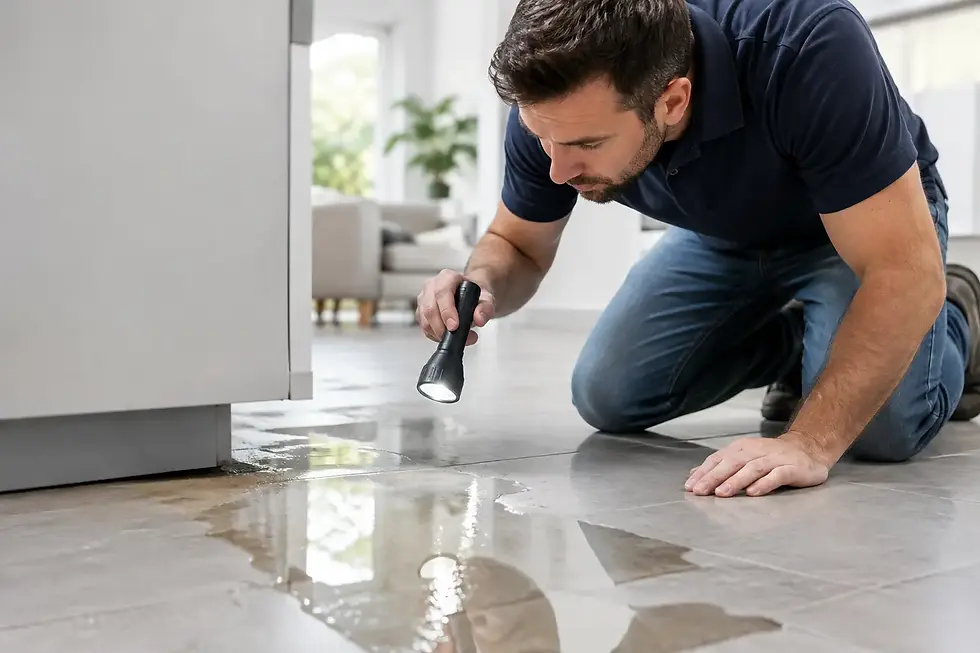
Gurgling is worth addressing on its own, but certain symptoms call for a faster response. Watch for sewage odors, water backing up into a tub or shower, wet areas around floor drains, multiple slow drains, or toilet water that rises after flushing. In a business, a restroom or kitchen drain issue can quickly interrupt operations and create sanitation concerns.
You should also take the issue seriously if it returns soon after a temporary fix. Repeated clogging is often a sign that the pipe has a deeper obstruction, buildup along the line, or a structural problem that a basic plunger cannot reach.
If wastewater is coming back into the property, stop using water whenever possible. Avoid flushing toilets, running dishwashers, taking showers, or using washing machines until the cause is identified. Reducing water use can limit the chance of a more serious backup.
What You Can Safely Check Before Calling
Property owners do not need to take apart pipes or climb onto the roof to respond to a gurgling drain. A few simple observations can help a plumber identify the likely source more quickly.
Notice which fixture makes the sound and what causes it. For example, does the kitchen sink gurgle only when the dishwasher drains, or does the downstairs shower bubble when an upstairs toilet flushes? Check whether drains are slow, whether there is an odor, and whether the issue affects one room or the whole property.
For a sink or tub with an obvious, minor clog, you can remove visible hair or debris from the stopper area and use a plunger carefully. Do not combine chemical cleaners, and do not use them before a service call. If chemicals are already in the drain, tell the plumber so the work can be performed safely.
When Professional Drain Service Is the Right Move
It depends on the pattern. One slow bathroom sink may need a targeted cleaning. Several gurgling fixtures, recurring clogs, or any sign of a sewer backup generally require professional equipment and diagnosis.
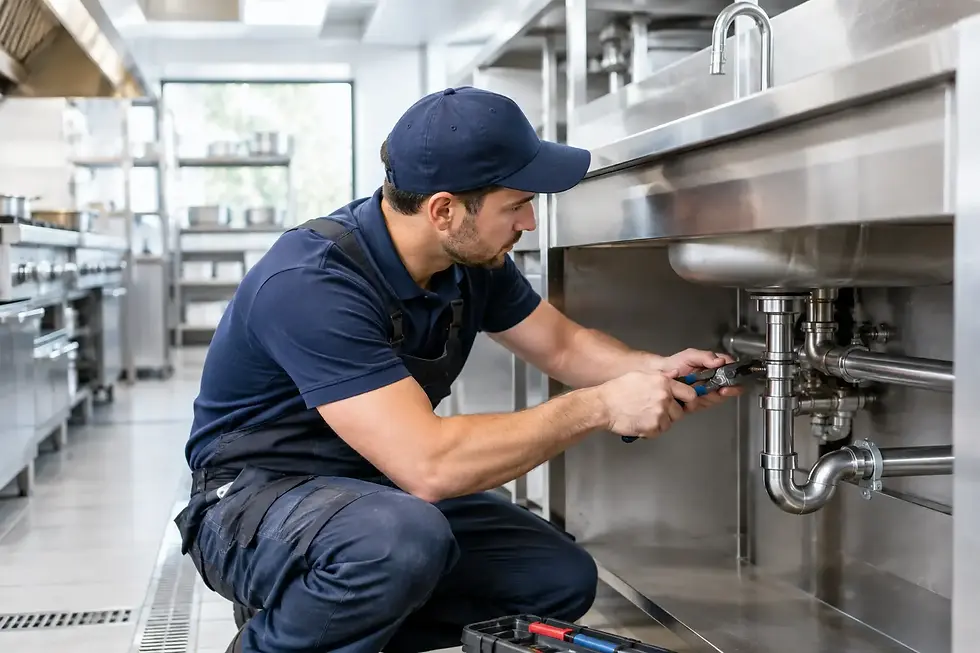
A qualified plumber can clear the line properly and determine whether the problem is buildup, roots, a vent obstruction, or damage to the piping. In some cases, a camera inspection is useful because it shows what is happening inside a concealed drain or underground sewer line. That prevents guesswork and helps avoid spending money on a temporary fix that does not address the real cause.
For Staten Island homes and businesses, older plumbing, mature landscaping, and heavily used shared drain lines can all affect the right repair approach. JV Mechanical provides responsive drain and plumbing service with clear communication, professional workmanship, and free estimates when you need an accountable local team.
A gurgling drain rarely fixes itself for long. Paying attention to the first sounds, limiting water use when backups are possible, and getting the line checked promptly can keep a small warning from becoming a disruptive plumbing emergency.

Comments