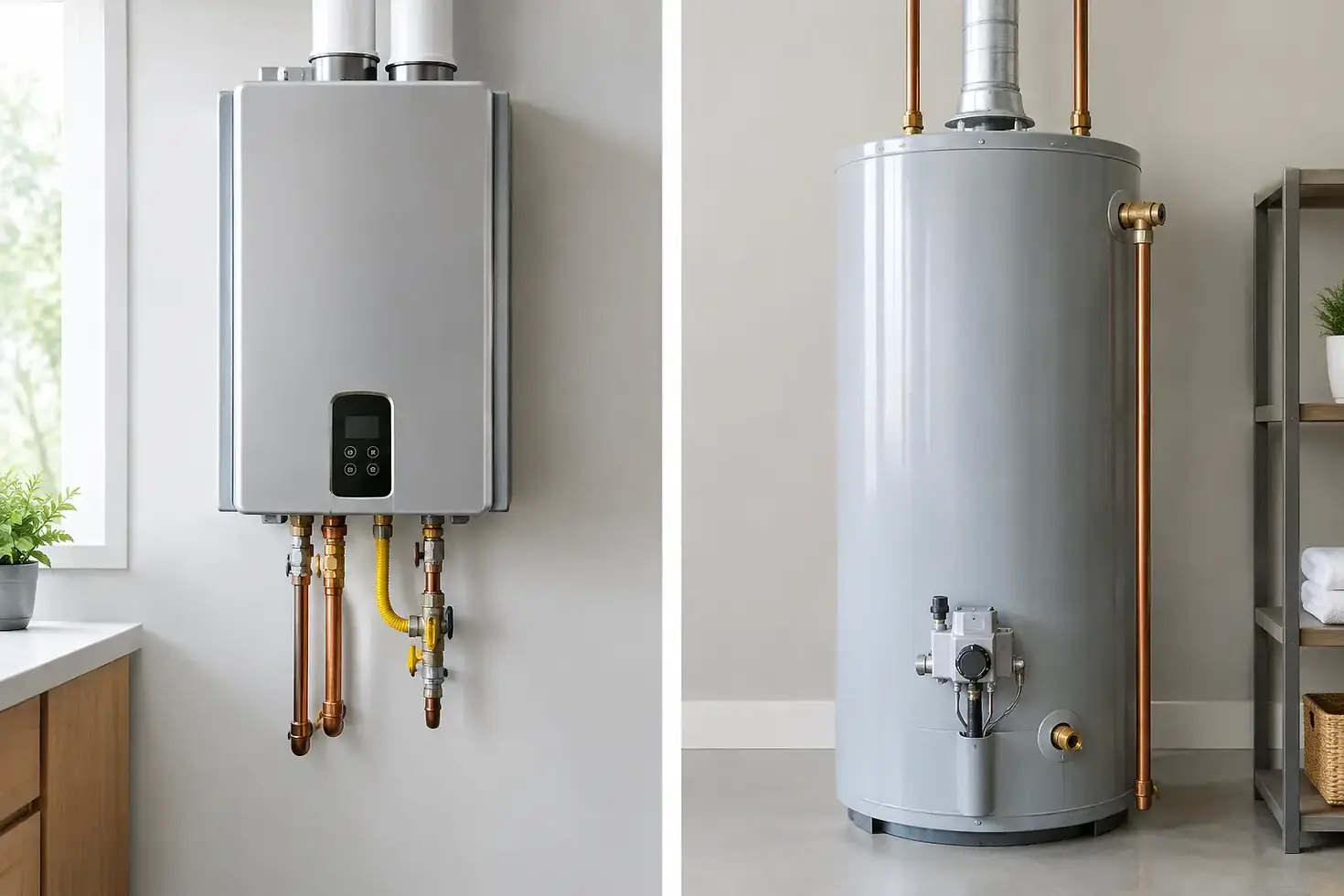
Tankless Versus Traditional Water Heaters
A water heater decision usually becomes urgent at the worst possible time: no hot shower before work, a leaking tank in the utility room, or a business that cannot operate normally without hot water. When comparing tankless versus traditional water heaters, the right choice is not always the newest option. It is the system that fits your property, hot-water demand, fuel supply, budget, and long-term plans.
A traditional storage-tank water heater remains a dependable fit for many Staten Island homes and commercial properties. A tankless unit can offer valuable space savings and on-demand performance, but it requires proper sizing and installation. A professional assessment helps prevent an expensive decision that does not deliver the hot water you expect.
How Traditional Tank Water Heaters Work
A traditional water heater stores a set amount of heated water, commonly 40 to 75 gallons in a residence. Gas burners or electric elements heat the water in the tank and maintain the selected temperature until someone opens a hot-water fixture.
The main advantage is straightforward, familiar operation. If the tank is sized correctly, it can comfortably serve a typical household's morning showers, dishwasher use, and laundry needs. Installation is often simpler when replacing an existing tank unit with a similar model, which can help keep upfront costs more manageable.
The limitation is the tank's supply. Once the stored hot water is used, the system needs recovery time to heat another full volume. A large family taking back-to-back showers may notice this most. Tank units also occupy more floor space and can eventually develop leaks as the tank ages or corrodes.
How Tankless Water Heaters Work
A tankless water heater heats water only when there is demand. When a faucet, shower, or appliance calls for hot water, cold water passes through the unit's heat exchanger and is warmed before it reaches the fixture. There is no large reserve tank holding heated water all day.
This design can provide a continuous hot-water supply, as long as the unit is correctly sized for the incoming water temperature and the number of fixtures being used at once. It is an appealing option for homes where a tank takes up valuable space, as well as for property owners planning a renovation or looking for a longer-term equipment upgrade.
“Endless hot water” has an important condition: flow rate. A tankless unit can keep heating water continuously, but every model has a limit. Running two showers, a washing machine, and a dishwasher at the same time may exceed the capacity of an undersized unit. In that situation, water may not be as hot as expected or may fluctuate in temperature.
Tankless Versus Traditional Water Heaters: The Practical Differences
The better system depends on how your property uses hot water, not just the equipment label. Here are the factors that matter most before making a decision.
Upfront installation cost
Traditional tank heaters generally cost less to purchase and install, especially when the plumbing, venting, gas line, and electrical service are already set up for a similar replacement unit. That can make a tank replacement the practical choice when a unit fails unexpectedly.
Tankless models typically have a higher initial cost. They may require a larger gas line, updated venting, electrical work, condensate drainage, or changes to water piping. These requirements are not a reason to avoid tankless equipment, but they need to be reviewed before relying on a price estimate based on the unit alone.
Hot-water capacity and household habits
A properly sized tank water heater delivers a known amount of hot water before it needs time to recover. A larger tank can support higher demand, but it also uses more space and stores more heated water.
A tankless system is especially useful for households with staggered shower schedules or a need for longer hot-water use. However, correct sizing is essential in New York, where colder incoming water can reduce the gallons per minute a tankless unit can deliver. A contractor should calculate demand based on fixtures, occupancy, and simultaneous use rather than choose a unit based on square footage alone.
Energy use and operating costs
Tank heaters lose some heat through the tank walls while water sits ready for use. This is known as standby heat loss. Tankless units avoid much of that loss because they heat water on demand.
That does not automatically mean every tankless installation creates dramatic savings. Your utility rates, hot-water habits, equipment efficiency, and installation quality all affect the result. For a household that uses modest amounts of hot water, tankless can be efficient. For another property, the higher installation cost may take longer to offset.
Space and placement
A tankless heater mounts on a wall and has a much smaller footprint than a storage tank. This can free up utility-room space, make certain basement layouts easier to manage, or support a renovation where every square foot matters.
Traditional tanks require dedicated floor space and clearance for safe service. They are still a practical choice in many basements and mechanical rooms, particularly when space is available and replacement needs to happen quickly.
Service life and maintenance
A well-maintained tankless water heater may last longer than a typical storage-tank unit. Its components can often be serviced or replaced without changing the entire appliance. But tankless equipment is not maintenance-free. Mineral buildup can affect performance, especially where water conditions call for periodic flushing or descaling.
Tank heaters also benefit from routine maintenance. Flushing sediment, checking the temperature and pressure relief valve, and watching for early signs of corrosion can help protect the system. No water heater lasts forever, so age, condition, and visible leakage should be part of the decision.
When a Traditional Tank Is the Better Choice
A traditional water heater is often the sensible route when you need a dependable replacement with a lower initial investment. It can be especially appropriate if your existing tank has performed well, your household demand is predictable, and your current venting and utility connections support a direct replacement.
It can also be the better answer for a property where a tankless conversion would require extensive upgrades. Choosing a quality, properly sized tank and having it installed professionally is far better than forcing a more expensive option into a setup that is not ready for it.
For landlords and business owners, a standard tank may also simplify replacement planning in buildings where speed, familiarity, and budget control are priorities.
When Tankless Makes Sense
A tankless system is worth serious consideration if you want to reclaim floor space, expect to remain in the property for years, or regularly run out of hot water with your current tank. It can be a strong fit for renovated homes, additions, or properties where hot-water demand has changed.
It may also be useful for smaller commercial applications with predictable demand, provided the unit is sized for the real load. A restaurant, salon, office, or multi-fixture workspace should not rely on a residential-style estimate. Commercial hot-water needs require a careful review of fixture use, peak demand, code requirements, and recovery expectations.
Installation Details That Should Not Be Guessed
Water heater replacement involves more than connecting pipes. Gas-fired equipment requires proper combustion air, venting, gas capacity, and safe connections. Electric equipment may require dedicated circuits and sufficient panel capacity. In New York City, permit and code considerations may also apply depending on the work involved.
A professional should inspect the existing setup before recommending a model. This is particularly important when converting from a tank to tankless, changing fuel sources, relocating equipment, or addressing a water heater that has leaked. The goal is to install a system that works safely, meets applicable requirements, and can be serviced when needed.
Signs It Is Time to Plan a Replacement
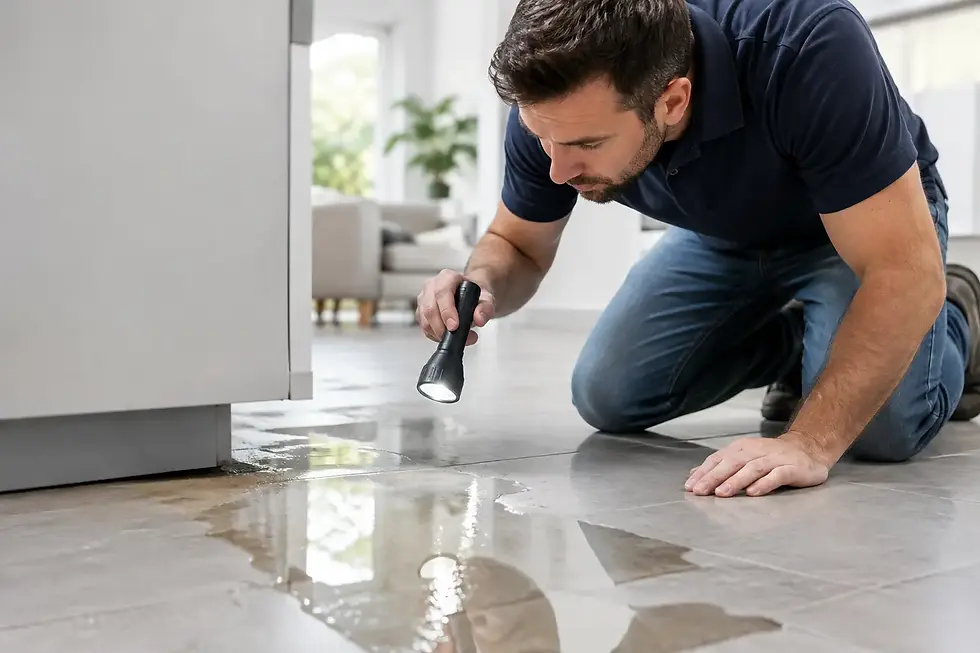
A leaking water heater tank generally needs prompt replacement. Other warning signs include rusty water, unusual rumbling or popping noises, inconsistent water temperature, rising energy bills, or a unit approaching the end of its expected service life. Waiting for a complete failure can turn a planned project into an emergency call.
If your water heater is still operating but showing its age, this is the best time to compare options without pressure. A clear estimate should account for the equipment, labor, required upgrades, and any necessary changes to venting or utility connections.
Whether you choose a tankless unit or a traditional tank, prioritize proper sizing and professional installation over a quick guess. JV Mechanical can evaluate your current system and help you choose a dependable solution that keeps hot water available when your home or business needs it.

Comments