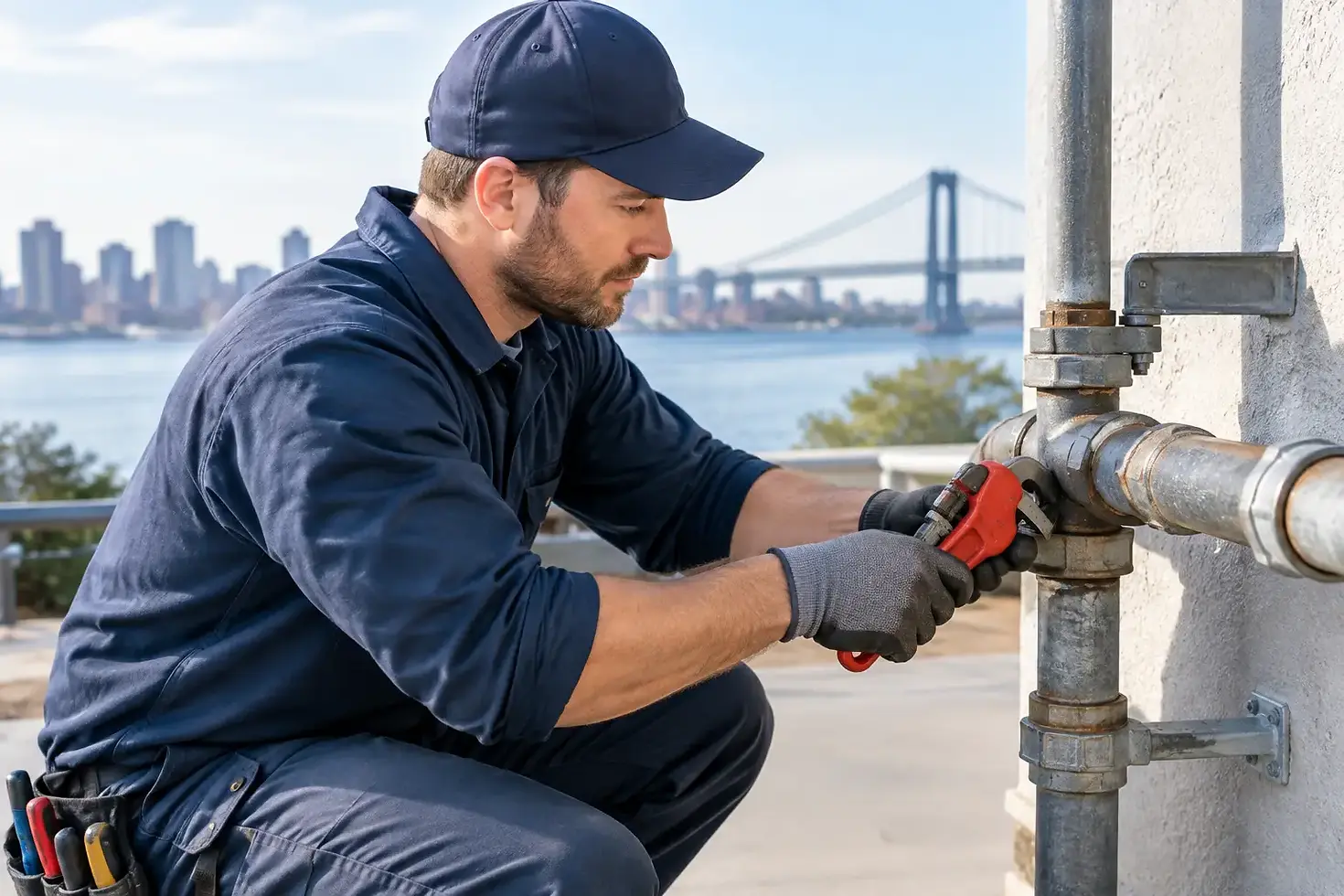
Staten Island Pipe Repair Options That Work
A small wet spot beneath a sink can be a loose connection. Water appearing through a ceiling, a sudden drop in water pressure, or a sewage odor may point to a much larger problem hidden behind walls, under floors, or in the yard. Knowing the available Staten Island pipe repair options helps property owners act quickly without paying for work that does not match the condition of the pipe.
The right repair depends on where the damage is, what material the pipe is made of, and whether the issue is isolated or part of a wider failure. A qualified plumber should identify the source before recommending a repair, explain the practical choices, and give you a clear estimate for the work.
Common Pipe Problems That Need Professional Repair
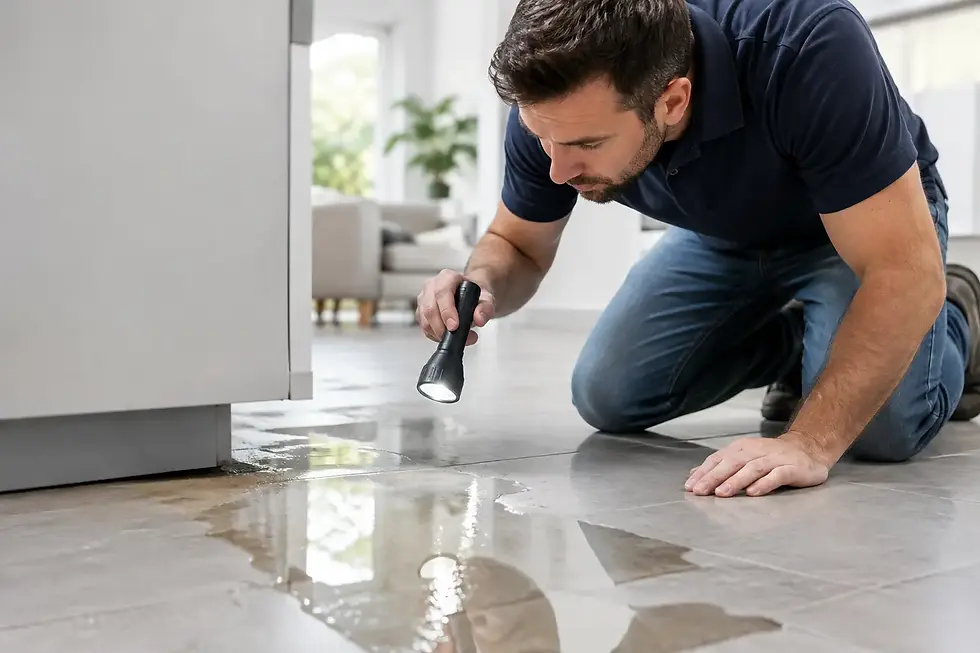
Pipes rarely fail without warning, although the warning signs are not always obvious. A recurring leak under a fixture may be caused by a worn fitting, but a recurring ceiling stain can indicate a damaged supply line or drain line above it. Low pressure in one area of the property may come from a localized obstruction or corrosion inside older piping.
Freezing temperatures are another concern for exposed lines in basements, crawl spaces, garages, and exterior walls. When water freezes, it expands and can split a pipe or damage a fitting. The pipe may not leak until it thaws, which is why homeowners should take dripping faucets, frost on pipes, or a sudden loss of water seriously during cold weather.
Older homes and commercial properties can also develop corrosion, pinhole leaks, deteriorated joints, and scale buildup over time. In those cases, the visible leak is often only one part of the problem. Repairing the immediate break may be appropriate, but the plumber should also assess whether other sections are nearing the end of their useful life.
Staten Island Pipe Repair Options for Different Problems
There is no one repair that fits every pipe issue. A professional diagnosis protects you from choosing a quick patch when a more durable solution is needed, or replacing a large section of plumbing when a focused repair will solve the problem.
Localized Leak Repair
For a leak confined to one fitting, valve, or short section of pipe, a localized repair is usually the most efficient option. The plumber shuts off the affected water supply, removes the damaged material, and installs a properly sized replacement section or fitting.
This approach works well when the surrounding pipe is in good condition. It is commonly used for damaged copper, PEX, PVC, and drain piping. The trade-off is that a localized repair does not correct widespread corrosion, repeated freezing, or aging material elsewhere in the system.
Replacing a Damaged Pipe Section
When a crack, corrosion spot, or burst area extends beyond a single connection, replacing a longer pipe section may be the better choice. This gives the repair a stronger foundation and reduces the chance that a weakened area immediately beside the patch will fail next.
Access matters. An exposed basement pipe is generally less disruptive to repair than a line behind finished tile, cabinetry, plaster, or drywall. A professional should explain what access is required, whether any wall or ceiling opening is necessary, and what part of the restoration falls outside the plumbing repair.
Drain Pipe Repair
Drain lines require a different approach from pressurized water lines. A slow drain, backup, or odor may be caused by a clog, but it can also result from a cracked drain pipe, separated joint, root intrusion, poor slope, or a failing sewer connection.
Drain cleaning may restore flow if the pipe itself is sound. If a camera inspection or evaluation shows physical pipe damage, repair or replacement is usually needed. For buried lines, the appropriate option may range from a targeted excavation to a larger sewer-line project. The location, depth, pipe material, and condition of the remaining line determine the sensible next step.
Repiping Problem Areas
If leaks are appearing in multiple locations, replacing one small section at a time can become more expensive and disruptive than addressing the affected branch of the plumbing system. Partial repiping replaces aging or unreliable lines serving a bathroom, kitchen, laundry area, or another defined part of the property.
A full repipe is a larger decision, usually considered when the plumbing system has extensive corrosion, frequent leaks, poor water pressure, or outdated pipe materials throughout the building. It involves more planning, but it can reduce repeated emergency calls and provide a more dependable water supply for years to come.
When a Temporary Repair Is Not Enough
A temporary clamp, tape, or sealant may slow a small leak long enough to limit damage while help is on the way. It should not be treated as a lasting repair for a pressurized water line, a damaged drain, or a pipe that has already split from freezing. Water can travel behind walls and beneath flooring before it becomes visible, turning a small plumbing issue into mold, damaged finishes, or structural repairs.
Shut off the water supply if you can do so safely. For a fixture-level leak, the nearby shutoff valve may stop the flow. For a major leak, use the main shutoff valve for the property. Then contact a licensed, insured plumbing professional, especially if water is near electrical equipment, a ceiling is sagging, sewage is backing up, or a business cannot remain open safely.
Emergency service is particularly valuable when the problem cannot wait for regular business hours. A burst pipe, active water leak, sewage backup, or loss of water service calls for prompt action to protect the property and restore normal use.
What Affects the Cost of Pipe Repair?
Pipe repair costs vary because the work is not just about the length of pipe being replaced. The location of the leak, accessibility, pipe material, extent of water damage, required parts, and urgency all affect the scope. A repair under an open basement ceiling is different from a repair inside a tiled shower wall or below a concrete slab.
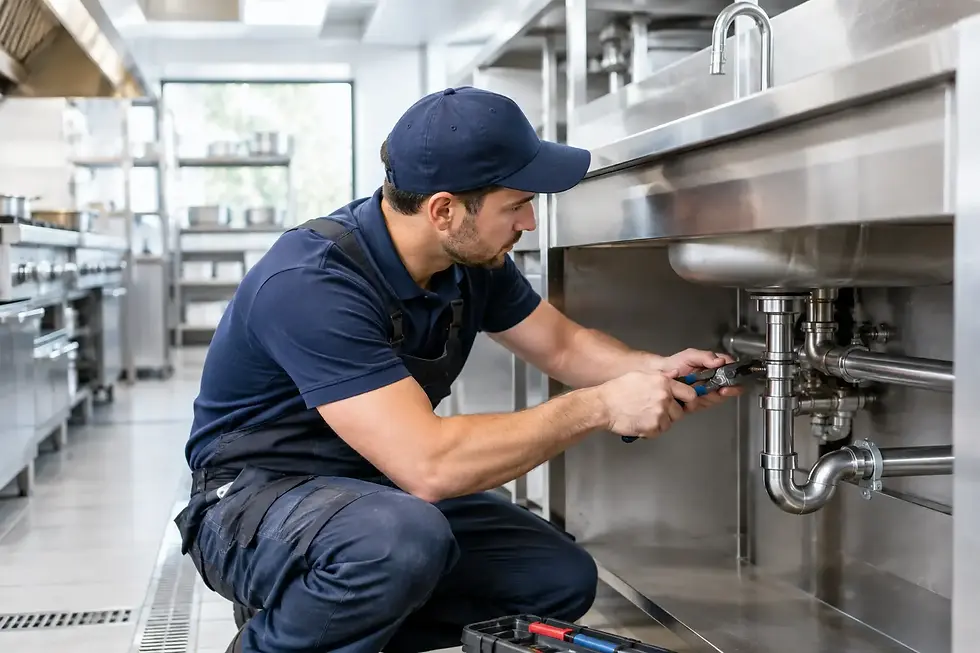
Commercial properties may also need work coordinated around tenants, customers, operating hours, and building systems. In some situations, permits or inspections may apply, particularly for larger replacements or changes to plumbing layouts. A professional plumber can explain the expected scope before work begins and help you understand whether a repair, replacement, or broader upgrade is the better value.
Free estimates are useful for planned repairs because they give property owners a clear starting point. For active leaks and emergencies, the priority is controlling the damage first, followed by a straightforward explanation of the repair needed.
Choosing the Right Plumber for Pipe Repairs
Pipe repairs affect water quality, property protection, and the reliability of your plumbing system. Choose a plumber who is licensed and insured, communicates clearly, and is willing to assess the cause rather than simply patch the visible symptom. You should know what failed, what repair is being recommended, and why it is appropriate for your property.
Local experience matters as well. Staten Island properties range from older homes with aging lines to newer construction with modern materials, along with restaurants, offices, rental buildings, and small businesses that cannot afford prolonged plumbing downtime. JV Mechanical provides responsive residential and commercial plumbing service with the professional, accountable approach property owners expect when a pipe problem interrupts their day.
Preventing the Next Pipe Failure
Not every pipe failure can be prevented, but regular attention can reduce avoidable damage. Insulate vulnerable exposed pipes before cold weather, repair small leaks before they worsen, avoid pouring grease and unsuitable materials into drains, and address recurring clogs instead of repeatedly relying on chemical drain cleaners.
Pay attention to changes in water pressure, water discoloration, unexplained increases in water bills, damp odors, and stains on walls or ceilings. These signs do not always mean a pipe has failed, but they are worth investigating early. A timely professional inspection can turn an uncertain plumbing concern into a focused repair before it becomes a disruptive emergency.
When you are deciding between a repair and replacement, the best choice is the one that protects the property now and makes sense for the pipe's remaining condition. A clear diagnosis and honest recommendation give you the confidence to move forward without guessing.

Comments