
Repair Versus Replace Water Heater: How to Decide
No one plans for a cold shower, a puddle around the utility closet, or a water heater that stops keeping up during a busy morning. When the system fails, the repair versus replace water heater decision often feels urgent. The right answer depends on the heater’s age, condition, repair history, and whether the problem can be fixed safely and cost-effectively.
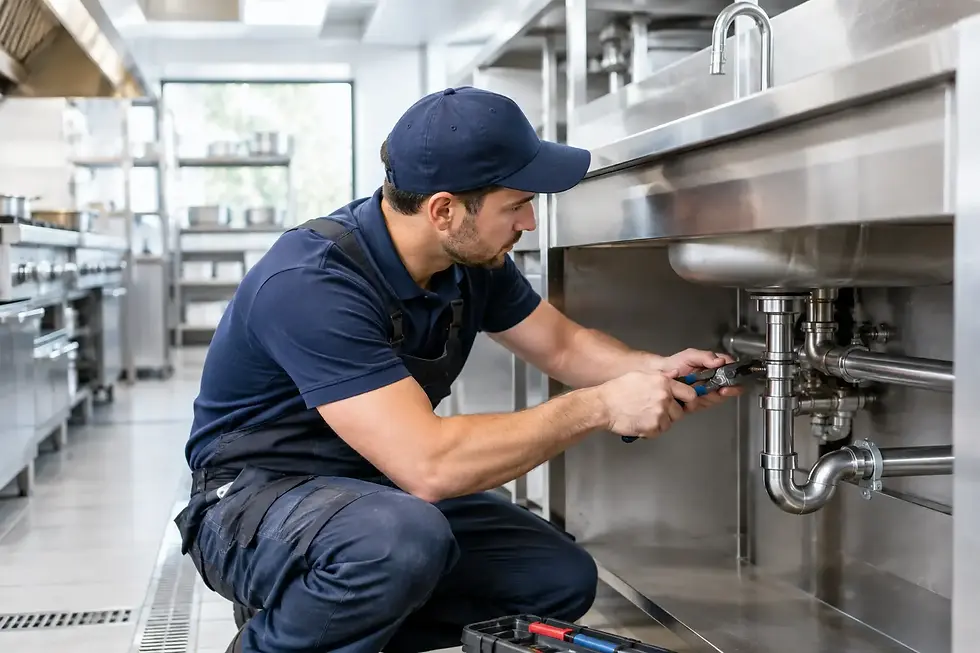
A qualified plumber can inspect the unit, explain what failed, and give you a clear recommendation before you commit to a major expense. For Staten Island homeowners, landlords, and business owners, that professional assessment can prevent a small issue from becoming water damage, lost hot water, or an unexpected shutdown.
When Water Heater Repair Is Usually the Right Choice
A repair can be the sensible choice when your water heater is relatively new, the tank itself is in good condition, and the problem is isolated to a serviceable part. Many common issues do not automatically mean the entire unit has reached the end of its life.
For a gas water heater, a failed thermocouple, pilot assembly, gas control valve, or burner issue may be repairable. On an electric unit, heating elements, thermostats, wiring connections, and reset switches can often be replaced. Sediment buildup can also affect performance, causing rumbling sounds, slow recovery, or reduced hot-water capacity.
Repair is especially worth considering when the unit is under warranty or is well within its expected service life. A conventional tank-style water heater commonly lasts around 8 to 12 years, although water quality, maintenance, installation quality, and usage patterns all matter. A newer system with one failed component may have many useful years left after a professional repair.
A repair may make sense if:
The water heater is less than 8 years old and has no signs of tank corrosion.
The problem is limited to a replaceable component, such as an element, thermostat, or valve.
There is no water leaking from the tank body.
The repair cost is modest compared with the cost of a properly installed new unit.
The key distinction is where the leak or failure originates. A leaking pipe connection, temperature and pressure relief valve, drain valve, or fitting may be repairable. A leak from the tank itself is a much more serious concern.
When to Replace a Water Heater Instead
Replacement is usually the safer long-term decision when the tank has failed, corrosion is advanced, or repairs are becoming repetitive. A water heater is under constant pressure and heat. Once the tank lining deteriorates or the steel tank begins to rust through, there is no dependable repair that restores its structural integrity.
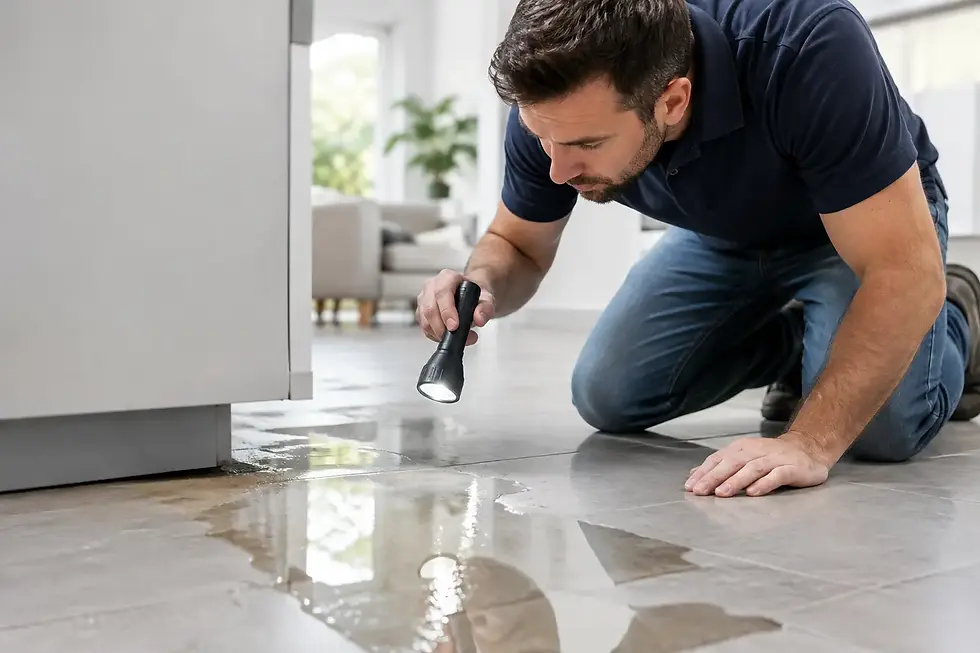
Water around the base of the heater is one of the clearest warning signs. First, a plumber should identify whether the water is coming from a connection above the tank or from the tank itself. Condensation can also create moisture in some situations. But if the tank is leaking, replacement should not be delayed. The leak can worsen quickly and cause damage to floors, walls, stored belongings, or neighboring spaces in a commercial property.
Age is another major factor. If a tank-style heater is approaching or beyond the 10-year mark, putting significant money into a major repair may not be the best value. The repair might solve today’s issue, but an older tank can develop a different failure soon after.
Replacement is generally the better choice when you notice rust-colored water, recurring breakdowns, a leaking tank, or inadequate hot water despite previous repairs. Loud popping or banging can also point to heavy sediment inside the tank. In some cases, flushing helps. In an older heater with severe buildup, however, the system may already be near the end of its service life.
Repair Versus Replace Water Heater: Cost Is Not the Only Factor
It is natural to focus on the immediate price of a repair versus a new installation. Still, the lowest upfront cost is not always the least expensive outcome. A repair that keeps an aging, unreliable heater running for a few more months can lead to another service call, another part replacement, and eventually an emergency replacement after a leak or complete failure.
A practical way to look at the decision is to compare the repair estimate with the heater’s age, condition, and expected remaining life. If the repair is minor and the unit is in good shape, repair is often a smart investment. If the estimate is substantial and the heater is nearing the end of its normal lifespan, replacement may provide better value and greater peace of mind.
The type and size of the replacement also affect the price. A properly sized water heater should match the household’s hot-water demand or the needs of a business. Installing a unit that is too small can leave people waiting for hot water. Installing a larger unit than necessary can increase equipment and operating costs without delivering a meaningful benefit.
A licensed professional can also review venting, gas piping, electrical requirements, drain pan needs, shutoff valves, and code considerations. These details matter. Water heater replacement is not simply a matter of swapping one tank for another.
Warning Signs That Should Not Wait
Some water heater problems can wait for a scheduled appointment. Others require prompt service to protect people and property. Turn off the water supply to the heater if there is an active leak, and avoid touching electrical components or attempting gas-related repairs yourself.
Call for professional help right away if you smell gas, see significant leaking, notice scorching around a gas unit, or have no hot water in a property that depends on it for daily operations. A pressure relief valve that is discharging water also deserves prompt attention. That valve is a safety device, and ongoing discharge can indicate excessive pressure, overheating, or a problem with the expansion system.
For commercial properties, a failed water heater can disrupt restrooms, kitchens, cleaning routines, tenant comfort, and customer service. Acting early can reduce downtime and give you more control over whether repair or replacement is the best path.
Choosing a Replacement That Fits Your Property
If replacement is recommended, it is worth asking why a particular unit and capacity suit your property. Tank-style water heaters remain a dependable option for many homes and businesses because they are straightforward, familiar, and available in a range of sizes. High-efficiency models may reduce energy use, depending on the fuel source and your hot-water needs.
Tankless water heaters can be a strong fit for some properties, especially where space is limited or hot-water demand is steady. However, they are not automatically the best choice for every building. Proper sizing, gas supply, venting, electrical requirements, and installation conditions determine whether a tankless system will perform as expected.
The best replacement is one that provides dependable hot water, meets applicable requirements, and fits the building without creating avoidable installation or maintenance issues. A clear estimate should explain the scope of work rather than leaving you surprised by necessary upgrades after the job begins.
Get a Clear Answer Before the Problem Gets Bigger
You do not need to guess whether a water heater can be saved. A professional inspection can identify whether the issue is a repairable component, sediment buildup, a connection leak, or a failing tank. It also gives you a chance to plan replacement before an older unit fails at the worst possible time.
JV Mechanical provides straightforward water heater service for Staten Island properties, with the professional attention needed to protect your home or business. If your hot water is unreliable, your tank is leaking, or you are facing repeated repairs, getting a clear assessment now can help you make a confident decision and restore normal operation.

Comments