
Professional Drain Cleaning Services Near Me
A slow kitchen sink is inconvenient. A toilet that backs up before guests arrive, a floor drain that floods a business, or sewage odor coming from a basement is a problem that needs attention now. When you search for professional drain cleaning services near me, you are not looking for another bottle of chemical cleaner. You need a qualified local plumber who can find the blockage, clear it safely, and help protect your property from a larger plumbing failure.
For Staten Island homeowners, landlords, and business owners, the right response depends on where the clog is located, how often it returns, and whether water or waste is backing up into the building. A professional inspection takes the guesswork out of the situation and gives you a clear path forward.
When a Clogged Drain Needs Professional Help
One slow drain does not always mean an emergency. Hair, soap residue, grease, and food particles can build up gradually in a sink, shower, or tub line. But recurring clogs often point to a deeper issue that a plunger or store-bought product cannot resolve.
Call a professional when several fixtures drain slowly at once, water backs up into a tub when the toilet is flushed, or a drain clears briefly and then clogs again. Gurgling sounds, foul odors, standing water near a floor drain, and sewage coming up through a lower-level fixture also deserve prompt service. These signs can indicate a blockage in the main sewer line rather than a small clog near one fixture.
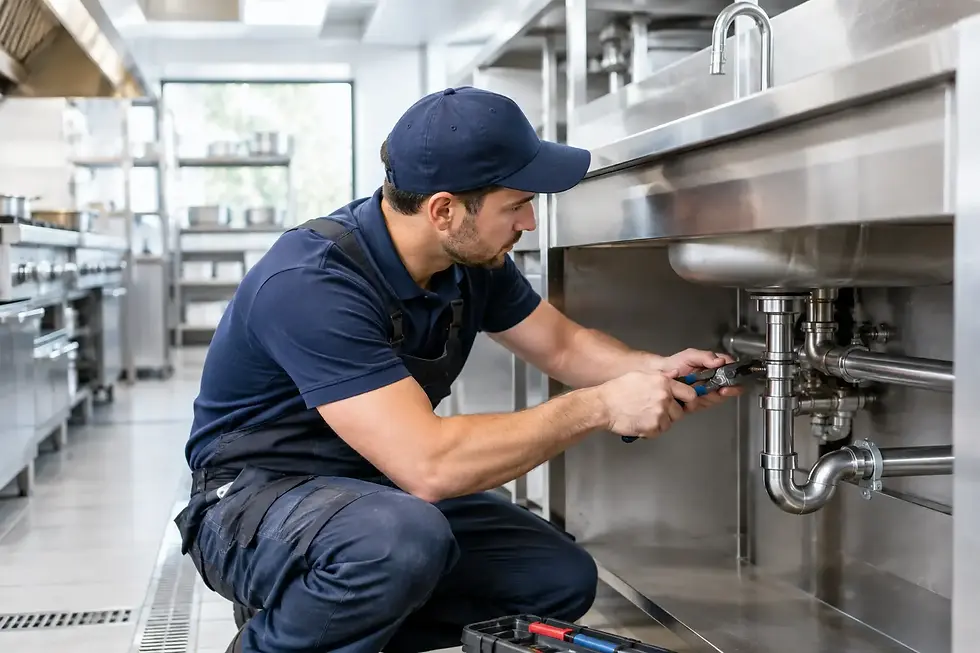
For commercial properties, a slow drain can quickly disrupt customers and employees. Restaurant sinks, employee restrooms, utility drains, and grease-heavy lines need reliable attention before a backup affects daily operations. Acting early is usually less disruptive and less expensive than waiting for an overflow.
What Professional Drain Cleaning Services Near Me Should Include
A professional drain cleaning visit should begin with questions, not assumptions. A plumber should ask where the problem started, which fixtures are affected, whether it has happened before, and whether any recent work or weather event may be connected to the issue.
After evaluating the symptoms, the plumber selects the right cleaning method for the pipe and blockage. That may involve snaking a localized drain, using professional-grade cable equipment, or hydro jetting a line with controlled high-pressure water. The appropriate approach depends on the age and material of the pipes, the condition of the line, and what is causing the obstruction.
Hydro jetting can be highly effective for grease, scale, sludge, and stubborn buildup. It is not automatically the best choice for every property. Older or damaged pipes may need an inspection first, especially when there is a concern about cracks, root intrusion, or deteriorated sections of sewer line. A responsible plumber explains the recommendation and does not treat every clog with the same tool.
When the problem keeps returning, camera inspection may be the next practical step. A drain camera can help identify roots, collapsed pipe sections, offset joints, heavy buildup, or objects lodged in the line. This helps separate a cleaning issue from a repair issue, so you are not paying to repeatedly clear a drain that has an underlying defect.
Why Chemical Drain Cleaners Can Make Matters Worse
Chemical drain cleaners are tempting because they are easy to buy and promise fast results. The problem is that they often provide only a temporary opening through the clog, leaving buildup behind. Some products can also create heat or corrosive conditions inside the pipe.
That is particularly concerning in older plumbing systems or when chemicals sit in a backed-up line. If the cleaner does not work, it can leave hazardous liquid in the pipe for whoever services the drain next. Avoid mixing products or adding more chemicals after the first attempt. If a drain remains blocked, stop using the fixture and arrange professional service.
A plunger can be useful for a simple toilet or sink clog, provided it is used correctly and the fixture is not overflowing. Beyond that, forcing tools into a drain without knowing the pipe layout can damage a trap, push the blockage farther down the line, or create a mess without solving the cause.
Choosing a Local Drain Cleaning Company With Confidence
The first available result is not always the right contractor for your home or business. During a stressful backup, look for a plumbing company that is licensed and insured, communicates clearly, and provides a straightforward explanation of the work recommended.
Local experience matters because Staten Island properties vary widely. A professional should understand the realities of older homes, basement plumbing, multi-family buildings, commercial spaces, and New York City plumbing requirements. They should also respect your property by working cleanly, protecting the service area when possible, and testing the drain after the blockage is cleared.
Ask whether the company can handle the next step if cleaning reveals a larger problem. A drain clog can sometimes lead to a leak repair, sewer line evaluation, fixture replacement, or emergency plumbing service. Working with a qualified plumbing contractor means you have someone accountable who can address the full issue rather than simply treating the immediate symptom.
JV Mechanical provides responsive drain cleaning and plumbing service for local property owners who need a dependable, professional solution. A free estimate and direct communication can make it easier to move from a frustrating drain problem to a clear repair plan.
How to Prepare Before the Plumber Arrives
You do not need to diagnose the clog yourself, but a few simple details can help speed up service. Note which drains are affected and when the problem began. Let the plumber know if the drain has backed up before, if you used a chemical cleaner, or if water appears in another fixture when one is used.
Clear personal items away from the sink, tub, toilet, or floor drain if it is safe to do so. Do not run water into a drain that is backing up, and do not flush a toilet that is close to overflowing. In a commercial setting, keep customers and staff away from wet or contaminated areas until the problem is under control.
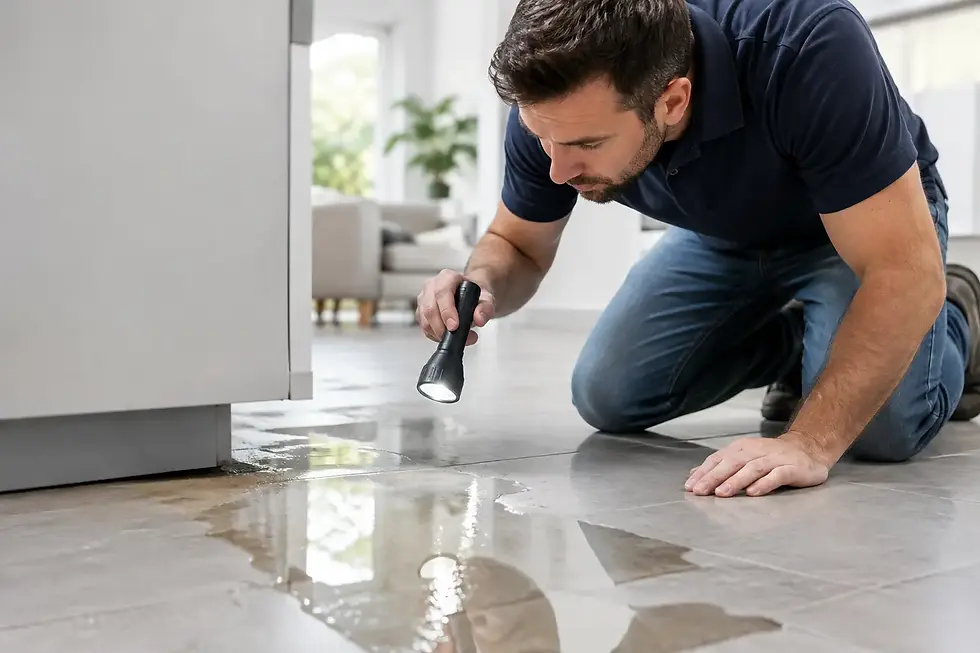
If sewage is backing up, water is spreading across the floor, or a main line appears blocked, treat it as an urgent plumbing issue. Fast action can limit damage to flooring, walls, inventory, and belongings.
Preventing the Next Drain Backup
No property can avoid every clog, but consistent habits reduce the risk. Keep grease, coffee grounds, and fibrous food waste out of kitchen drains. Use a hair catcher in shower and tub drains, and avoid flushing wipes, paper towels, hygiene products, or other items labeled as disposable but not designed for plumbing systems.
Properties with recurring grease buildup, high restroom use, mature trees near sewer lines, or older pipes may benefit from scheduled maintenance. The ideal schedule depends on the property and its history. A small household with no prior issues may only need service as problems arise, while a busy business or multi-family building may be better served by proactive cleaning.
A drain should carry water away quietly and consistently. If it is slowing down, gurgling, smelling unusual, or backing up, do not wait for a minor inconvenience to become a property emergency. A qualified local plumber can assess the line, explain the options, and help restore your drains with the care your home or business deserves.

Comments