
Older Home Plumbing Upgrades That Pay Off
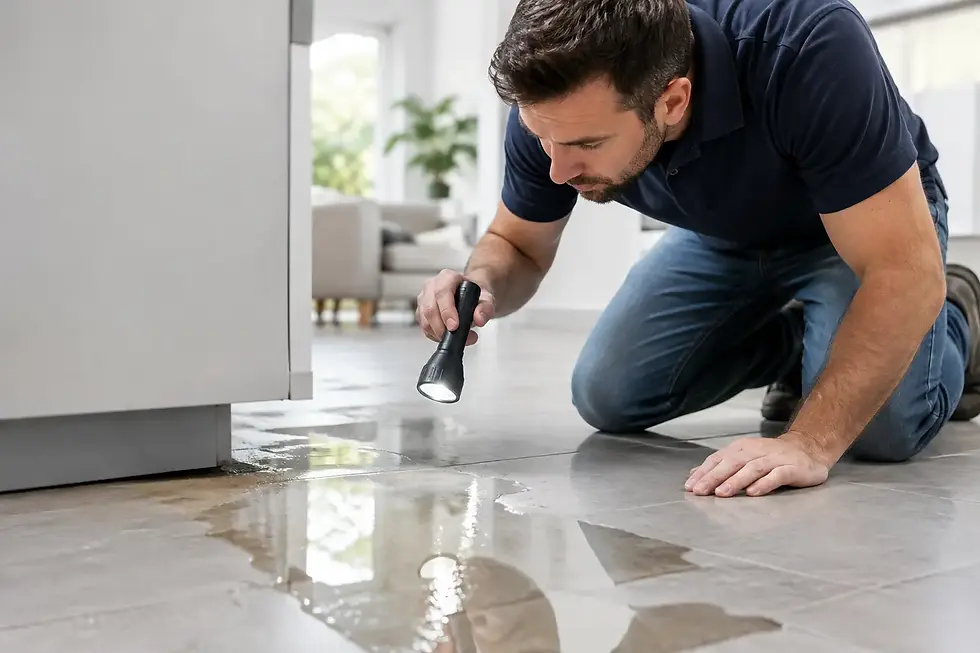
A home can look well cared for on the surface while its plumbing tells a different story behind the walls. Older home plumbing upgrades are not always about remodeling a bathroom or replacing every pipe at once. Often, they are about finding the components most likely to leak, clog, fail, or cause water damage before a small issue disrupts the whole property.
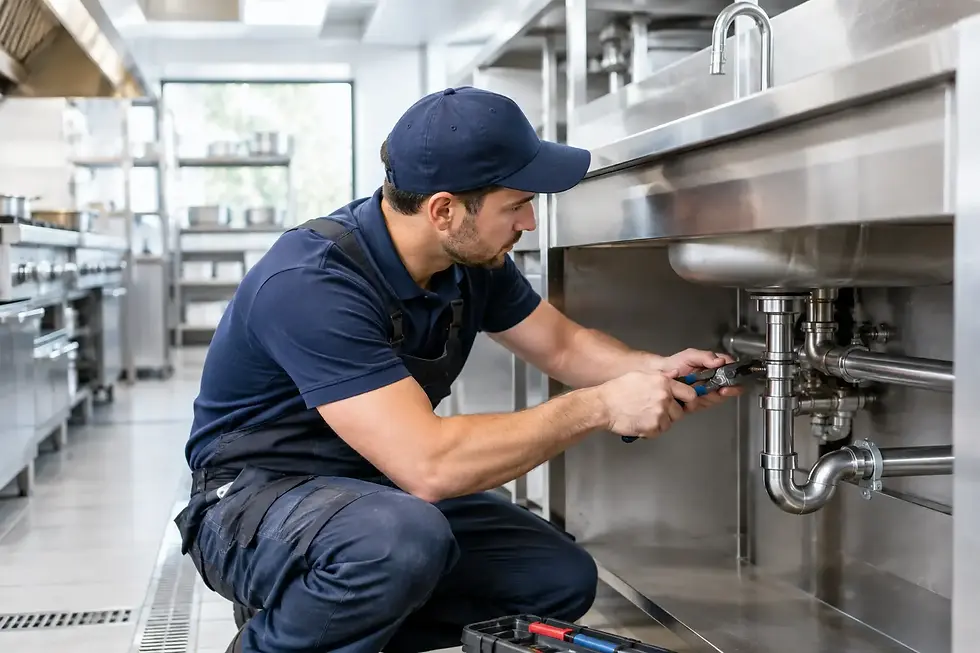
For homeowners, landlords, and business owners, the right plan starts with a professional assessment. Pipe material, water pressure, drain performance, fixture age, prior repairs, and the condition of the water heater all affect which work should come first. A qualified plumber can identify immediate risks, explain the options clearly, and help you invest where it makes the most practical difference.
Start With the Plumbing You Cannot See
The pipes inside walls, ceilings, crawl spaces, and basements deserve attention before cosmetic upgrades. Many older properties have a mix of original and newer plumbing, which can create weak points where materials, fittings, or repair methods do not match.
Galvanized steel supply pipes are a frequent concern in older homes. Over time, they can corrode from the inside, narrowing the pipe opening and reducing water flow. You may notice weak pressure at certain fixtures, rusty-looking water after the taps have not been used, or recurring leaks around aging connections. Replacing deteriorated sections may offer temporary relief, but widespread corrosion can make a larger repiping project the more dependable long-term choice.
Older copper piping may still be in good condition, but it should be inspected for pinhole leaks, corroded joints, and damage caused by improper past repairs. Cast-iron drain lines also require careful evaluation. They are durable, but age, corrosion, shifting, and buildup can lead to slow drains, backups, and leaks that remain hidden until staining or structural damage appears.
A camera inspection can be especially useful when there are repeat drain problems or uncertainty about the condition of underground sewer piping. It provides a clearer picture than guessing based on one clog, helping property owners distinguish between a localized blockage and a damaged or deteriorating line.
Older Home Plumbing Upgrades to Prioritize
Every property has different needs, but a few upgrades consistently provide strong protection against emergency repairs and water damage.
Replace failing water supply lines
Supply lines bring pressurized water to sinks, toilets, dishwashers, refrigerators, and washing machines. A failed line can release a large amount of water quickly, especially when no one is home. Older rubber hoses, corroded connectors, and makeshift fittings should be replaced with properly installed, reliable connections.
This is a relatively focused upgrade that can prevent a major cleanup. It is also a good time to check shutoff valves. If a valve cannot be turned easily, does not fully shut off water, or is visibly corroded, it should not be left in place until an emergency proves it is unusable.
Upgrade outdated shutoff valves
A working main shutoff valve gives you control when a pipe breaks or a fixture starts leaking. Individual fixture shutoffs are equally valuable because they allow repairs without interrupting water service to the entire home or business.
Many older valves seize after years of inactivity. Replacing them during planned plumbing work is far less stressful than discovering the problem during a burst-pipe emergency. Your plumber should also make sure you know where the main water shutoff is located and how to use it safely.
Address recurring drain and sewer trouble
A drain that repeatedly clogs is not always a simple drain-cleaning issue. Grease buildup, scale, tree-root intrusion, cracked piping, offset joints, or deteriorated cast iron can all restrict flow. Repeated use of harsh chemical drain cleaners may damage pipes and rarely fixes the underlying cause.
Professional drain cleaning and camera inspection help determine the right next step. In some cases, thorough cleaning restores normal flow. In others, spot repair, pipe lining, or replacement may be the more responsible recommendation. The right answer depends on the location and condition of the line, not just the symptom at the sink or toilet.
Modernize the water heater before it fails
Water heaters rarely choose a convenient time to fail. Rust-colored water, moisture around the base, rumbling sounds, inconsistent temperature, or a limited supply of hot water are signs that service or replacement should be considered.
A new conventional tank water heater can be a straightforward choice for homes with predictable hot-water needs. Tankless systems can save space and provide hot water on demand, but they are not automatically the best fit for every property. Proper sizing, gas capacity, venting, electrical requirements, and household demand all matter. An undersized unit can create frustration rather than efficiency.
Check water pressure and install protection where needed
High water pressure puts unnecessary strain on pipes, fittings, appliance hoses, fixtures, and the water heater. Low pressure can be a symptom of corroded supply pipes, a pressure issue, or a restriction elsewhere in the system. Neither should be ignored.
A plumber can test pressure and determine whether a pressure-reducing valve, expansion tank, or other correction is appropriate. These components are not decorative additions. When correctly selected and installed, they protect plumbing equipment and help reduce the risk of premature failures.
Do Not Overlook Bathroom and Kitchen Fixtures
Old faucets, toilets, and shower valves can waste water, drip behind walls, or become difficult to repair when replacement parts are no longer available. A toilet that runs intermittently may seem minor, but it can increase water use and sometimes points to worn internal components. A shower valve that will not hold a stable temperature is more than an inconvenience, particularly in a family home or tenant-occupied property.
Fixture replacement can improve reliability and appearance at the same time. Still, it is smart to have the plumbing behind the fixture evaluated before completing a renovation. Installing a beautiful new vanity over a damaged drain connection or aging shutoff valve only postpones the work and may require opening finished surfaces later.
Plan Around Risk, Not Just Age
Not every old pipe needs immediate replacement. Some older plumbing systems continue performing well with proper maintenance, while newer-looking repairs may have been completed poorly. The priority should be based on condition, accessibility, history of leaks or backups, and the consequences of failure.
For example, a slow drain in a rarely used basement sink may be less urgent than a corroded supply line above a finished ceiling. A functioning water heater near the end of its expected service life may be worth replacing proactively if a failure would affect tenants, customers, or daily family routines. On the other hand, a professional inspection may confirm that a suspected issue can be monitored rather than replaced immediately.
This approach helps property owners avoid two expensive mistakes: ignoring clear warning signs and paying for unnecessary work. A clear estimate should explain what is being repaired, why it is recommended, and whether alternatives are available.
Consider Local Requirements Before Major Work
Larger plumbing projects may involve permits, inspections, and code requirements, particularly when work affects water-heater installation, gas piping, sewer connections, or significant alterations to a plumbing system. These rules are designed to protect occupants and prevent problems that can affect neighboring properties.
For Staten Island homes and businesses, working with a licensed and insured local plumber provides added peace of mind. The contractor should understand the scope of the work, communicate what approvals may be needed, and complete the installation professionally rather than treating a major upgrade as a quick patch.
A Professional Inspection Creates a Better Plan
Plumbing upgrades are easier to manage when they are scheduled before an emergency. A thorough inspection can identify active leaks, aging pipe materials, failing valves, drain concerns, water-heater condition, and pressure issues in one visit. From there, you can prioritize repairs that protect the property now and plan larger improvements around your budget and timing.
If your home has recurring clogs, unexplained water stains, low pressure, discolored water, or fixtures that no longer work reliably, do not wait for a major failure to force the decision. A dependable plumbing professional can give you a straightforward assessment and help keep an older property safe, functional, and ready for the years ahead.

Comments