How to Prevent Sewer Backups at Your Property
A sewer backup is one of the plumbing problems property owners never want to face. Wastewater coming up through a basement drain, toilet, shower, or sink can damage floors and walls, interrupt business operations, and create a serious sanitation concern. The good news is that many of these events are preventable. Knowing how to prevent sewer backups gives you time to address drainage issues before they become an emergency.
For homeowners, landlords, and business owners, the goal is not to take on complicated sewer work yourself. It is to recognize the warning signs, make sensible day-to-day choices, and call a licensed professional before a small blockage turns into a property-wide problem.
Why Sewer Backups Happen
Your building drain carries wastewater from toilets, sinks, tubs, appliances, and floor drains into the sewer line. A backup occurs when that wastewater cannot move through the line as intended. Instead of flowing out, it looks for the lowest available exit point, which is often a basement floor drain, shower, or toilet.
The cause may be inside the property line or farther out in the municipal sewer system. That distinction matters. A blockage caused by grease, wipes, tree roots, or a damaged private sewer line is generally the property owner’s responsibility. If the issue is in the public sewer, the city may need to respond. A professional inspection can help identify where the problem is located and what needs to happen next.
Older Staten Island properties can be especially vulnerable when sewer lines have aged, shifted, or been affected by roots. Heavy rain can also put added pressure on local sewer systems. While no property owner can control every outside condition, regular maintenance and prompt attention to drain problems greatly reduce the risk.
How to Prevent Sewer Backups Before They Start
The most effective prevention begins with what goes into your drains. Toilets are designed for human waste and toilet paper only. So-called flushable wipes do not break down the way toilet paper does, and they can catch on rough pipe surfaces, roots, or existing buildup. Paper towels, feminine hygiene products, cotton swabs, dental floss, and diapers belong in the trash.
Kitchen drains need the same level of care. Grease may look harmless when it is warm and liquid, but it cools inside the line and sticks to pipe walls. Over time, it collects food particles and other debris until water can no longer pass freely. Let cooking oil and grease cool in a container, then dispose of it in the trash. Use sink strainers to catch food scraps, and avoid treating the garbage disposal as a cure for large amounts of waste.
For commercial kitchens, grease control is even more critical. A grease trap or interceptor needs regular service based on the kitchen’s volume and local requirements. Waiting until drains slow down can mean the system is already overdue for cleaning.
Schedule Professional Drain Cleaning When It Makes Sense
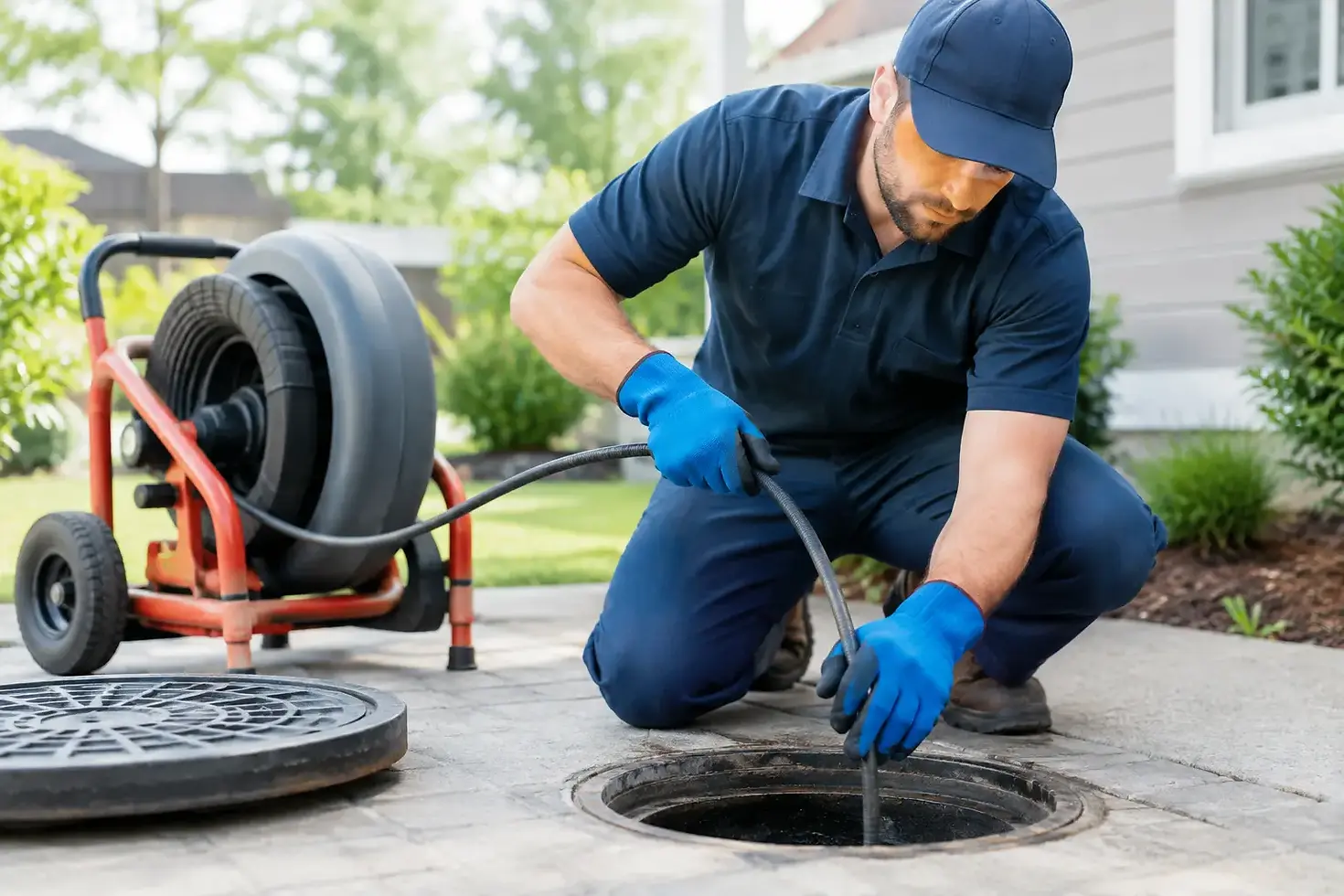
Drain cleaning is preventive maintenance, not only an emergency service. If a building has recurring slow drains, frequent toilet clogs, a history of root intrusion, or several connected fixtures that drain poorly, it is wise to have the line evaluated before a full backup occurs.
The right schedule depends on the property. A newer home with no drainage history may not need routine sewer cleaning every year. An older home with mature trees near the sewer route may benefit from regular inspection and cleaning. Restaurants, multi-unit buildings, and high-use commercial properties often need more frequent maintenance because more wastewater and debris move through their lines.
A professional can clear accumulated buildup and identify conditions that simple cleaning will not fix, such as a cracked pipe, a separated joint, sagging line, or root damage. This is why repeated do-it-yourself chemical treatments are not a reliable long-term solution. Harsh drain chemicals can damage some piping, create hazards for anyone working on the line later, and rarely remove the underlying obstruction.
Watch for Early Warning Signs
Sewer problems usually provide warnings before wastewater appears on the floor. The key is responding while the issue is still manageable. One clogged sink may be a local fixture problem. Multiple fixtures acting up at the same time often point to a larger drain or sewer line issue.
Pay attention if toilets gurgle when a sink, washing machine, or shower drains. Notice whether water rises in a shower or tub after flushing a toilet. Slow drainage in several parts of the property, unpleasant sewer odors, or water appearing around a basement floor drain should also be treated seriously.
These signs do not always mean a sewer backup is imminent, but they do mean the drainage system needs attention. Continuing to run dishwashers, washing machines, or large amounts of water through a restricted line can force wastewater back into the building. When several drains are involved, stop using water where possible and arrange professional service promptly.
Protect the Lowest Areas of the Building
Basements and lower-level spaces are often where backup damage becomes visible first. Keep floor drains accessible and avoid covering them with stored boxes, rugs, or finished materials that make a leak harder to spot. If you have a basement bathroom, utility room, or laundry area, make a habit of checking for unusual odors, slow drainage, and moisture near drains.
A backwater valve may be a worthwhile option for some properties. This device is designed to help prevent sewage from flowing backward into the building during a sewer surcharge. It is not appropriate for every plumbing layout, and it must be installed and maintained correctly. A licensed plumber can assess whether it makes sense for your property and explain the maintenance involved.
Sump pumps also deserve attention where they are installed. A sump pump handles groundwater, not sewage, but a failed pump can create water problems that complicate an already stressful situation. Test it periodically according to the manufacturer’s guidance, keep the pit clear of debris, and consider a battery backup if basement flooding is a concern.
Be Careful With Landscaping and Construction
Tree roots naturally seek moisture. Tiny openings in an aging sewer line can attract roots, which then expand inside the pipe and trap paper and waste. Root-related blockages may return until the roots are removed and the pipe condition is addressed.
Before planting a new tree, consider where the sewer line may run. Before building a patio, driveway, addition, or other structure, identify the location of underground plumbing. Heavy construction activity or poor grading can affect buried lines, especially if a pipe is already old or compromised.
If a sewer camera inspection shows root intrusion or pipe damage, the right repair depends on the condition and location of the line. In some cases, cleaning and monitoring are reasonable. In others, repairing or replacing a damaged section is the more responsible choice. The least expensive immediate option is not always the least expensive over time if the same emergency keeps returning.
What to Do if a Backup Begins
If sewage or wastewater starts coming up through a drain, stop using water immediately. Do not flush toilets, run the dishwasher, take showers, or start laundry. More water entering the system can make the backup worse.
Keep people and pets away from the affected area. Wastewater can contain harmful bacteria and contaminants, so avoid trying to clean extensive sewage damage without proper protection and guidance. If water is near electrical outlets, appliances, or a panel, do not enter the area until it is safe to do so.
Call a qualified emergency plumber to assess the blockage and restore drainage. If the problem appears connected to a public sewer issue, you may also need to contact the appropriate city agency. Take photos for your records once it is safe, especially if there is damage that may be relevant to insurance.
Get Professional Help Before It Becomes an Emergency
Sewer lines are out of sight, but they should not be out of mind. Recurring clogs, gurgling drains, and slow fixtures are not inconveniences to keep living with. They are useful signals that allow you to act before wastewater reaches your living space, tenants, customers, or inventory.
For Staten Island property owners who want a clear answer and dependable service, JV Mechanical can evaluate drainage concerns, perform professional drain cleaning, and help determine the right next step. A timely inspection costs far less than waiting for a preventable sewer backup to disrupt your property.



Comments