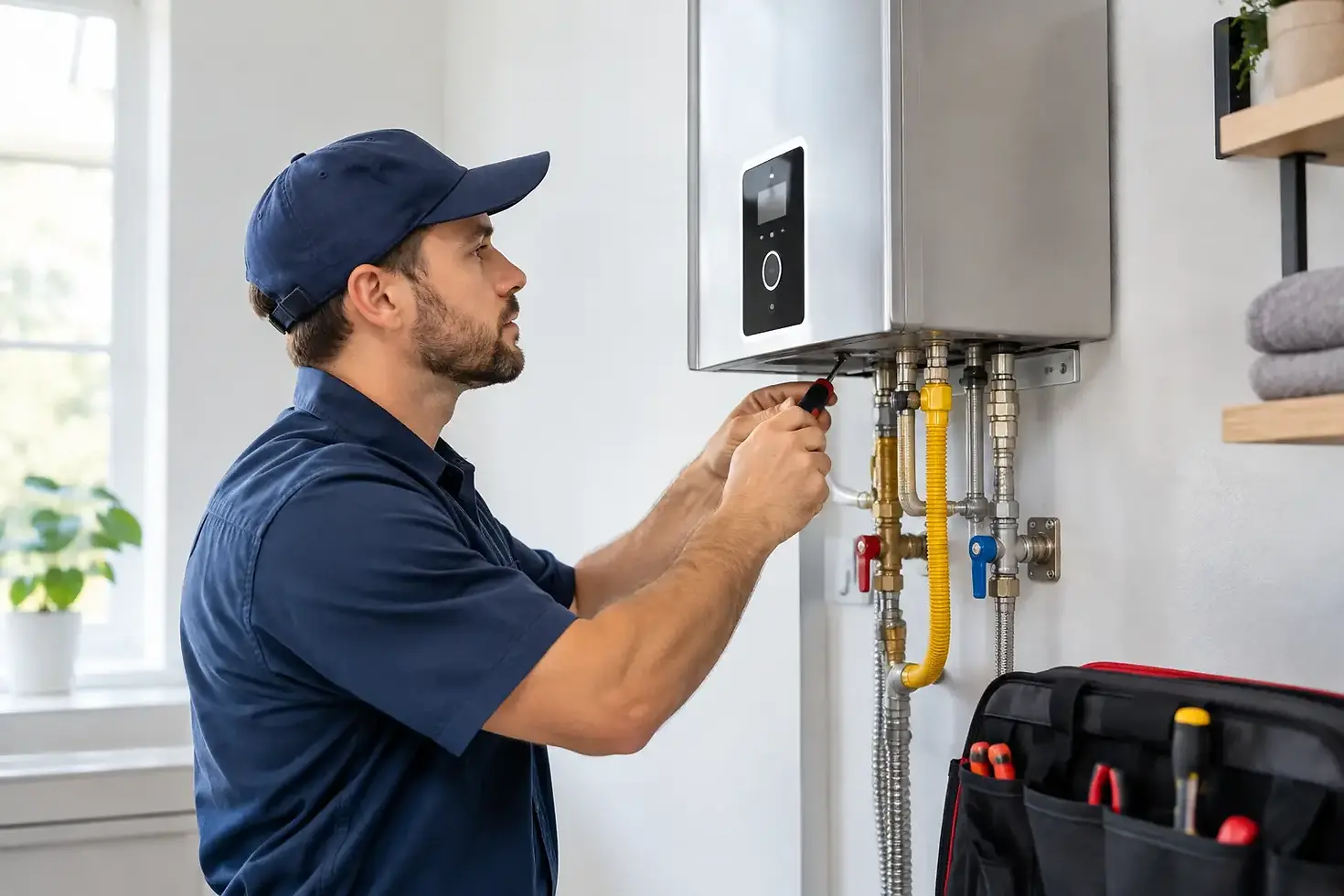
How to Maintain Tankless Heaters at Home
A tankless water heater can provide dependable hot water for years, but it does not eliminate maintenance. When mineral scale builds inside the heat exchanger or the air intake becomes restricted, the unit has to work harder to deliver the same result. Knowing how to maintain tankless heaters helps homeowners and property managers prevent cold-water surprises, error codes, and avoidable repair calls.
For Staten Island properties, water quality, household demand, and installation conditions all affect the right maintenance schedule. A well-maintained unit is more efficient, safer to operate, and more likely to deliver hot water when your family, tenants, or business needs it.
Why Tankless Water Heater Maintenance Matters
Unlike a traditional tank heater, a tankless unit heats water as it passes through a compact heat exchanger. That design saves space and can reduce standby energy loss, but the internal passages are narrow. Minerals in the water can collect on those surfaces over time, especially when the unit sees frequent use.
Scale acts like insulation around the heat exchanger. The burner or heating elements must run longer to heat the water, which can reduce efficiency and create unnecessary wear. In more serious cases, buildup can restrict water flow, cause temperature swings, or trigger a fault code that shuts the system down.
Maintenance also gives a qualified plumber an opportunity to inspect venting, gas connections, condensate drainage, electrical components, and safety controls. These are not areas to overlook. A tankless water heater is a sophisticated appliance, and a small issue can become disruptive if it is left unaddressed.
How to Maintain Tankless Heaters on the Right Schedule
Most tankless water heaters should receive professional maintenance once a year. Properties with hard water, high hot-water demand, or a busy commercial setting may need service more often. A plumber can recommend a schedule based on the unit, your water conditions, and how heavily it is used.
Annual service is a sensible baseline for most homes. If you have noticed reduced flow, inconsistent temperatures, a new noise during operation, or recurring error messages, do not wait for the next scheduled visit. Those symptoms may point to scale accumulation, a dirty filter, a venting concern, or another issue that deserves prompt attention.
A new installation should also be checked after its first year of use. This confirms that the unit is operating as expected and establishes a maintenance record for future service.
Flush the Heat Exchanger
Flushing, sometimes called descaling, is the core maintenance task for many tankless heaters. A plumber isolates the water heater and circulates an approved descaling solution through the heat exchanger to dissolve mineral deposits. The system is then thoroughly rinsed before it is returned to service.
This process sounds simple, but it should be completed according to the manufacturer’s requirements. The correct valves, solution, flushing time, and restart procedure matter. Improper service can damage components, leave residue in the system, or create a leak at an isolation valve.
Homeowners may see online instructions for do-it-yourself flushing. That can be an option for someone who is fully familiar with their specific unit and safe shutoff procedures. Still, many units are connected to gas lines, direct venting, condensate drains, and electrical controls. For most property owners, professional service is the safer and more reliable choice.
Clean the Water and Air Filters
Tankless systems typically have a small inlet water filter that catches sediment before it enters the unit. Over time, this filter can become clogged and reduce water flow. A technician will remove, clean, inspect, and properly reinstall it during maintenance.
Gas-fired units also rely on clear combustion air and venting. Dust, debris, insect nests, or stored items near the appliance can interfere with airflow. The area around the heater should remain clean and accessible. Do not use the closet or mechanical room as a storage space for paint, chemicals, cardboard, or other combustible materials.
Inspect Vents, Drains, and Connections
A professional maintenance visit should include a visual inspection of the vent system, water piping, gas piping where applicable, pressure-relief components, and condensate line. Condensing tankless models produce water as part of normal operation, and a blocked or poorly draining condensate line can cause trouble.
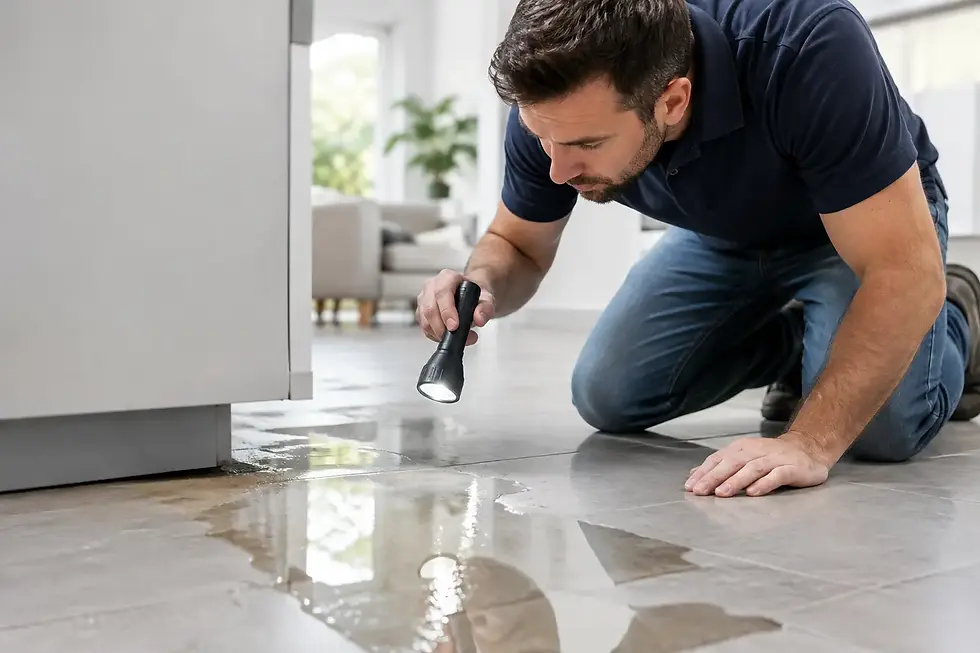
The technician should also look for corrosion, moisture, loose connections, or signs of previous leaking. Catching a small drip early can protect cabinets, finished walls, flooring, and nearby equipment from more expensive damage.
What You Can Check Between Service Visits
You do not need to take apart the water heater to keep an eye on its condition. A quick monthly check can help you spot changes before they interrupt your hot water.
First, look around the unit for any moisture, staining, corrosion, or unusual odors. Check that the display is clear of error codes and that the area around the heater remains open. If your unit is outdoors, make sure leaves, dirt, and debris are not collecting around the intake or vent termination.
Pay attention to performance at faucets and showers. Longer waits for hot water may be normal if a fixture is far from the heater, but a sudden change is worth investigating. Temperature fluctuations, a drop in hot-water pressure, clicking or rumbling noises, and unexpected shutdowns are not maintenance issues to ignore.
If an error code appears, write it down before resetting the unit or turning off the power. The code gives a service professional useful information and may help avoid unnecessary diagnostic time. Repeatedly resetting a heater without resolving the cause can allow a minor problem to become a larger one.
Warning Signs That Call for Professional Service
A tankless heater does not always fail without warning. Call for service if the unit produces lukewarm water, shuts off during use, makes unusual noises, leaks, or displays an error code. A gas odor, burning smell, or visible damage to venting requires immediate attention. Leave the area if you smell gas, avoid operating switches or appliances nearby, and follow the appropriate emergency gas-safety procedures.
Other issues can be less dramatic but still deserve a professional assessment. If you are frequently adjusting the temperature setting, running out of hot water after adding a new appliance, or noticing a sharp increase in fuel use, the unit may need maintenance or its sizing may need to be reviewed.
For landlords and business owners, do not wait until multiple tenants or customers report a problem. A scheduled inspection is usually easier to manage than an emergency loss of hot water during a busy day or cold-weather weekend.
Avoid Common Tankless Heater Mistakes
The most common mistake is treating a tankless unit as maintenance-free. It is efficient equipment, not self-cleaning equipment. Skipping annual service may save a small amount today, but it can contribute to reduced performance and a shorter service life.
Another mistake is changing gas, venting, electrical, or temperature settings without understanding the system. Tankless heaters must be installed and configured correctly for safe combustion, proper venting, and the household’s hot-water demand. A setting that appears to solve one problem can create another.
It also helps to avoid blocking access to the heater. Technicians need room to inspect connections, remove filters, flush the heat exchanger, and test operation. Easy access makes regular maintenance faster and helps keep service costs predictable.
Keep Your Hot Water Reliable
The best maintenance plan is straightforward: schedule annual professional service, keep the surrounding area clean, watch for changes in performance, and act quickly when something seems wrong. That approach protects your equipment and reduces the chance of a sudden hot-water interruption.
When your tankless heater needs attention, JV Mechanical provides professional plumbing and water-heater service for Staten Island homeowners and businesses. A qualified technician can assess the unit, perform the maintenance it needs, and explain the condition of your system clearly so you can make an informed decision. A little planned care now is easier than dealing with no hot water when you need it most.

Comments