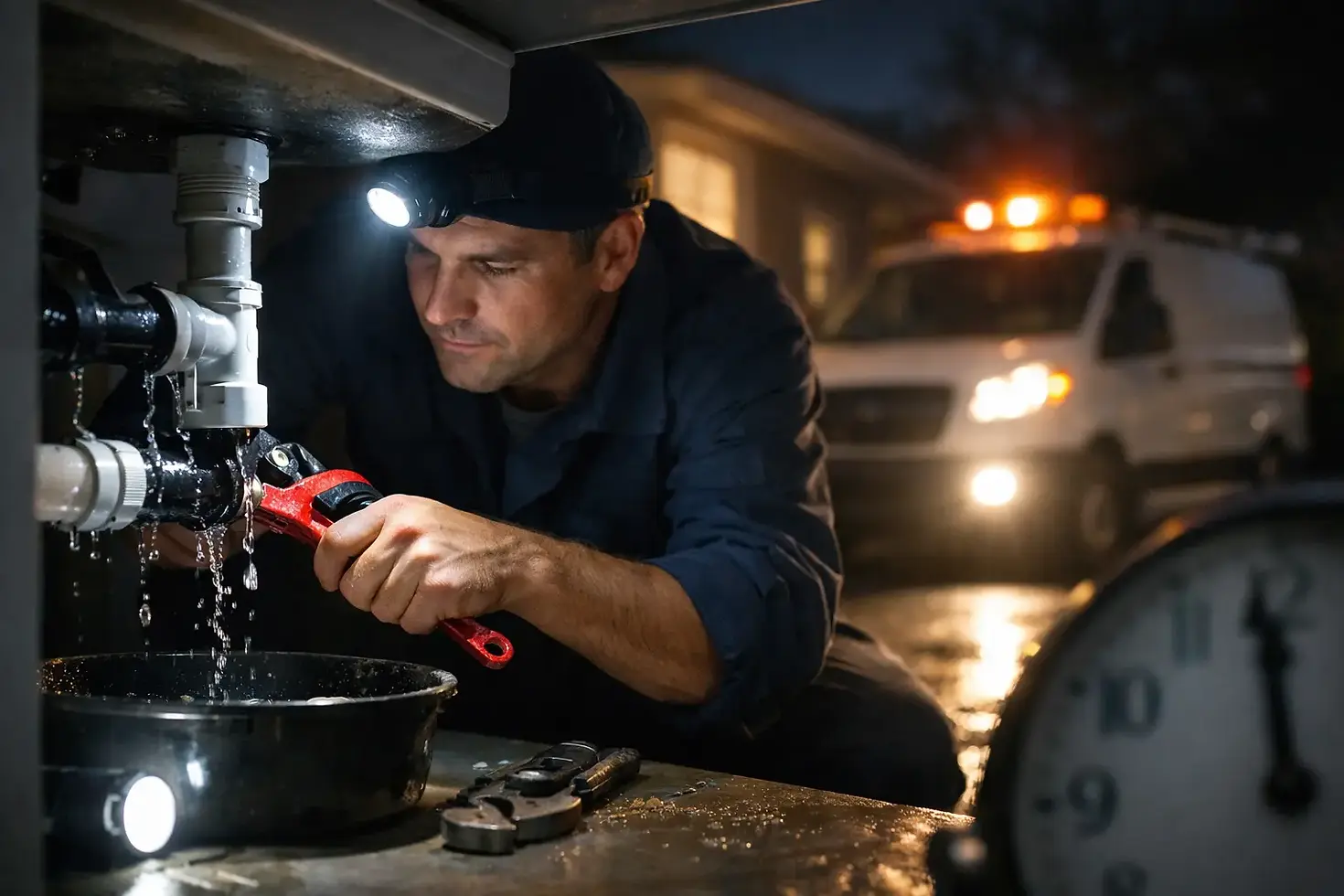
After Hours Plumbing Help When Every Minute Counts
A leaking ceiling at 11 p.m. is not a problem that can wait until the morning. Neither is a toilet overflowing before guests arrive, a water heater that suddenly stops producing hot water, or a drain backup threatening a business floor. After hours plumbing help gives you a clear next step when a plumbing failure puts your property, comfort, or operations at risk.
The goal is not to panic or attempt a complicated repair in the dark. It is to limit damage safely, get an experienced professional involved, and restore the plumbing system with work you can rely on.
When After Hours Plumbing Help Is the Right Call
Not every plumbing concern needs an emergency visit. A slowly dripping faucet or a minor fixture issue may be able to wait for a regular appointment, especially if you can isolate the fixture without affecting the rest of the property. But active water, sewage, loss of essential service, and problems that can quickly get worse are different.
Call for professional help after hours when you have a burst or actively leaking pipe, water coming through a ceiling or wall, an overflowing toilet that will not stop, a sewer or drain backup, or no hot water when the water heater is leaking or showing signs of failure. A major clog can also be urgent if it leaves a home or business without a usable toilet, sink, or drain.
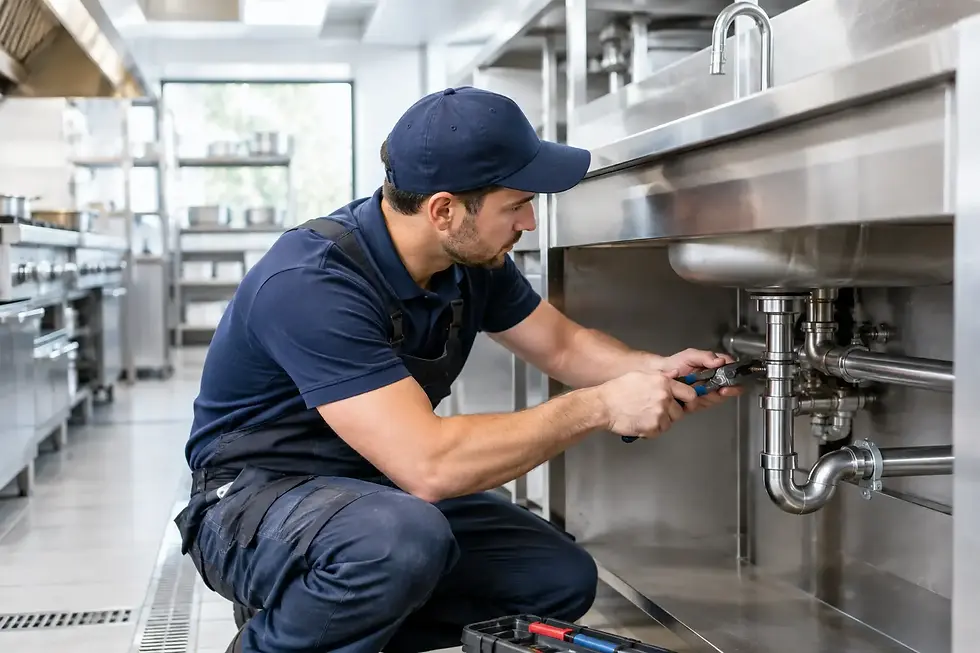
Commercial properties often have an even shorter window for action. A backed-up restroom, kitchen drain failure, or water leak can disrupt employees and customers, create a slip hazard, and force a business to pause operations. Landlords and property managers also need prompt support when a plumbing issue affects an occupied unit or could spread to neighboring spaces.
It depends on the situation, but a useful rule is simple: if waiting creates a realistic risk of property damage, sanitation problems, or a loss of critical plumbing service, get help now.
What to Do Before the Plumber Arrives
A few calm steps can reduce the size of the problem while you wait. Start by shutting off the water if you can do so safely. For a fixture leak or overflowing toilet, the local shutoff valve may be enough. For a significant leak or a pipe problem where you cannot identify the source, use the main water shutoff for the property.
Move towels, rugs, boxes, electronics, and furniture away from the affected area. If water has reached outlets, appliances, or a breaker panel, do not touch electrical equipment or stand in pooled water. Keep people and pets clear of the area until the conditions are safe.
For a drain backup, stop using water throughout the building if possible. Running a dishwasher, flushing toilets, or using sinks can add more water to a blocked line and make the backup worse. Do not pour chemical drain cleaner into a severely clogged or backed-up drain. These products may not clear the obstruction, can create hazardous conditions, and can complicate professional repair.
If you smell gas near a water heater, boiler, or other fuel-burning equipment, leave the area and follow the appropriate emergency safety procedures. Do not attempt to relight equipment or investigate the source yourself.
When you call, be ready to explain what is happening, where the issue is located, whether water is still flowing, and what steps you have already taken. That information helps the plumber arrive prepared and helps you understand what to expect next.
Take Photos, But Do Not Delay the Call
Photos or a short video can be useful for documenting damage, particularly for landlords, business owners, or insurance purposes. They can also help show a leak pattern or the extent of a backup. Still, documentation should never come before stopping the water or requesting help. A small leak can become a damaged ceiling, flooring issue, or mold concern faster than most property owners expect.
Common Problems That Should Not Wait
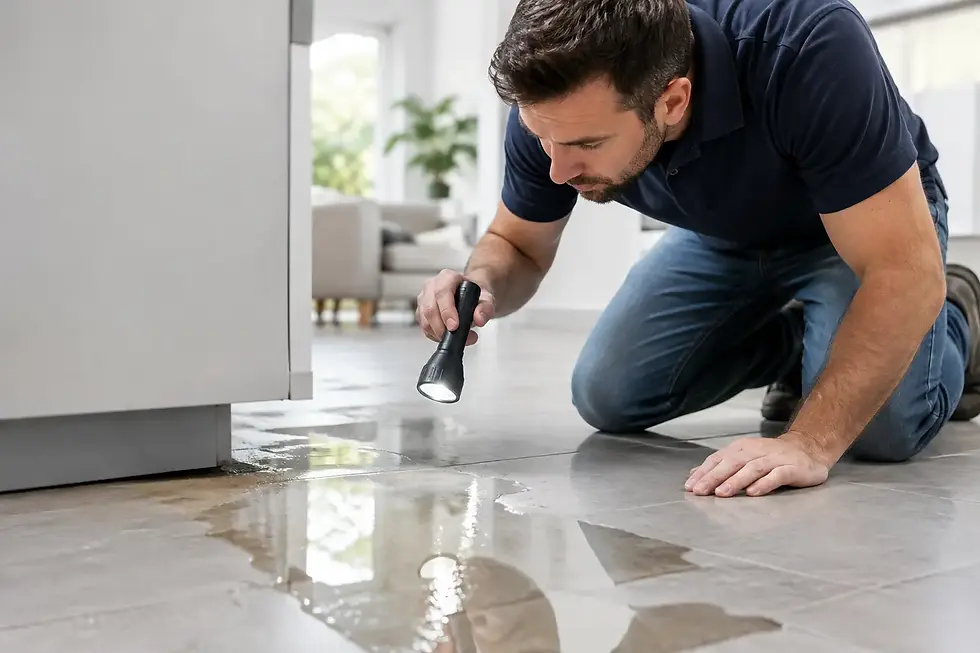
An active leak is one of the clearest reasons to call. Even when the water flow looks minor, a hidden leak behind a wall or above a ceiling can cause substantial damage over several hours. Staining, bubbling paint, sagging drywall, or a ceiling that feels soft are signs to take seriously.
Overflowing toilets require fast action because they can create sanitation concerns as well as water damage. Shut off the toilet valve if the tank continues refilling, avoid flushing again, and keep the bathroom closed off until a professional can assess the cause. The problem may be a simple blockage, but recurring overflow can point to a larger drain-line issue.
Sewage backups need immediate attention. Wastewater coming up through a shower, floor drain, or toilet is not a DIY cleaning project. Stop water use and contact a licensed, insured plumbing professional. The source could be a blockage in the main line, a damaged pipe, or another drainage issue that needs proper diagnosis.
Water heater failures vary. No hot water without a leak may be inconvenient and sometimes can wait until morning, depending on your household or business needs. A leaking water heater, water pooling around the unit, unusual noises, or visible corrosion deserves quicker attention. Water heaters hold a significant amount of water, and a failure can damage nearby finishes, storage areas, or equipment.
Why the Cheapest Quick Fix Can Cost More
During an emergency, it is tempting to choose the first available person or take advice from a quick online video. That approach can be risky. Plumbing systems in Staten Island and New York City properties may involve older piping, multi-unit connections, drainage requirements, and equipment that need experienced handling.
A qualified plumber does more than stop the immediate symptom. They look for the reason it happened and determine whether a temporary repair is appropriate or whether the problem needs a durable solution. For example, clearing a clogged drain may restore flow, but repeated clogs could signal buildup, a damaged line, or a problem farther down the system.
Professional service also brings accountability. Licensed and insured work matters when the repair affects your home, business, tenants, or building systems. Clear communication matters too. You should know what the issue appears to be, what work is recommended, and what the next steps are before the repair moves forward.
What a Good Emergency Plumbing Visit Looks Like
A dependable after-hours response starts with listening. The plumber should ask focused questions, give you practical instructions for limiting damage, and arrive ready to assess the problem. Once on site, the priority is to make the area safe, control active water or drainage issues, and identify the cause.
Some emergencies can be fully repaired during the first visit. Others may require a temporary stabilization, replacement parts, additional diagnostic work, or a scheduled follow-up. That is not necessarily a bad sign. The right approach depends on access to the pipe or equipment, the condition of the system, and whether a complete repair can be performed properly at that hour.
What should remain consistent is professionalism: respect for your property, straightforward recommendations, quality workmanship, and no pressure to approve work you do not understand. JV Mechanical provides responsive emergency plumbing support with the local, accountable service property owners need when a problem cannot wait.
Reduce the Chances of the Next Late-Night Call
Emergency plumbing is not always preventable, especially with aging pipes or sudden equipment failures. Regular maintenance can still lower the odds. Have slow drains addressed before they stop completely, watch for water heater leaks or rust, repair minor pipe leaks early, and learn where your main water shutoff is located.
For businesses and multi-unit properties, make sure staff or tenants know who to contact and where shutoff valves are located. A simple response plan can prevent confusion when water is spreading and every minute matters.
When a plumbing problem happens after normal business hours, focus on safety, stop the water if you can, and get a qualified professional on the way. Fast, responsible action protects more than pipes - it protects the place you depend on every day.

Comments