Gas Versus Electric Water Heaters Compared
A water heater usually gets attention only when the shower turns cold, water appears around the tank, or a business cannot keep up with daily demand. When replacement time comes, the gas versus electric water heaters decision affects more than the price of the unit. It can affect installation requirements, operating costs, hot-water recovery, available space, and what makes sense for your specific property.
For many Staten Island homes and commercial spaces, the right answer depends on the existing fuel source and the condition of the plumbing, venting, electrical service, and chimney connection. A professional assessment prevents a simple replacement from becoming an expensive surprise halfway through the job.
Gas Versus Electric Water Heaters: The Real Differences
Both gas and electric tank water heaters store a set amount of hot water, commonly 40, 50, or 75 gallons in residential settings. They heat incoming cold water, hold it at the selected temperature, and refill the tank as hot water is used. The main difference is the energy source and the equipment needed to use it safely.
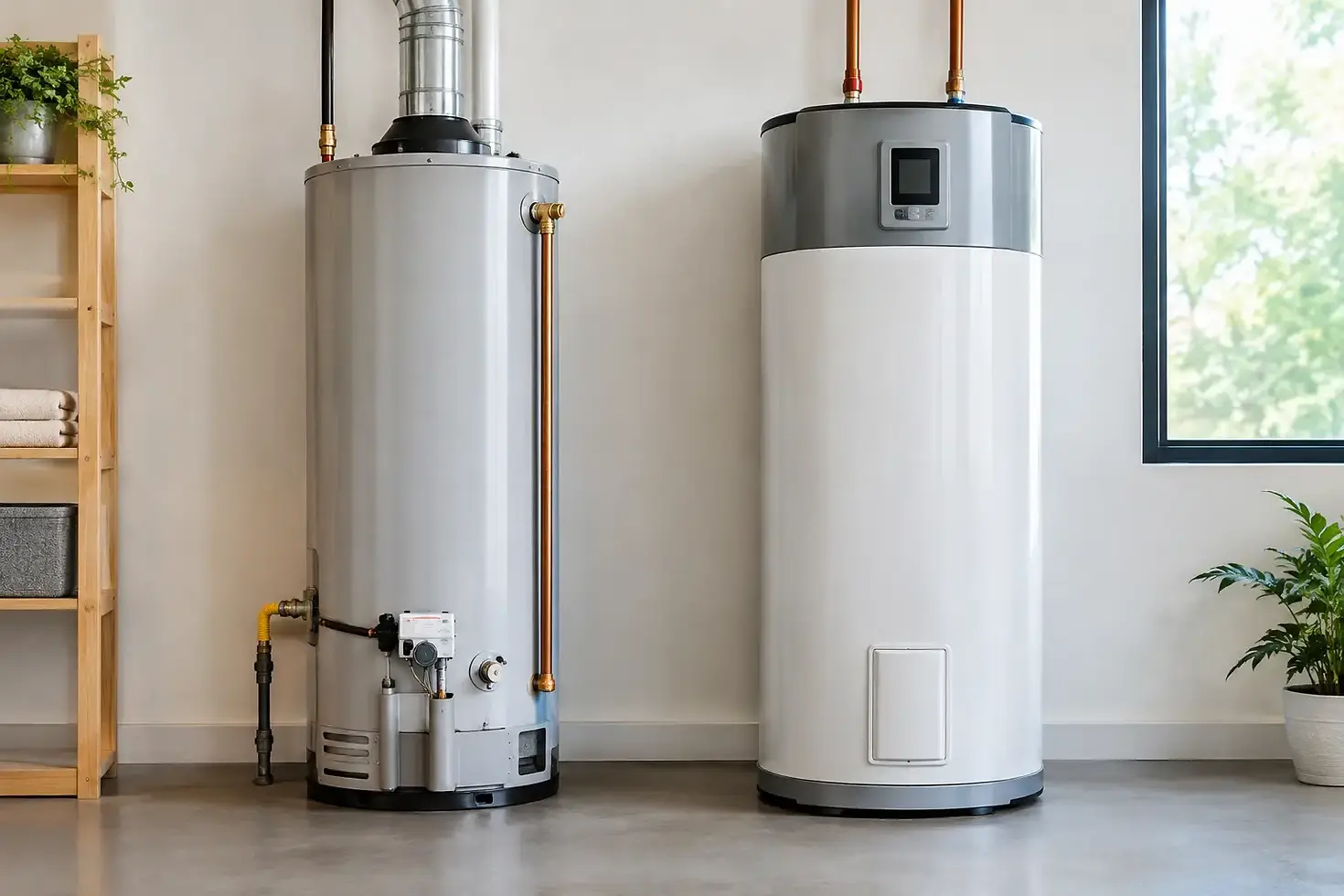
A gas water heater uses a burner below the tank. It needs a gas supply line, combustion air, and a safe path for exhaust gases to leave the building. Most conventional models vent through a metal flue or chimney. Power-vent and direct-vent options use different venting arrangements, but they still require planning around clearances and manufacturer requirements.
An electric water heater uses heating elements inside the tank. It has no burner and creates no combustion exhaust, so it does not need a flue or gas line. It does, however, need the correct dedicated electrical circuit. In some properties, especially older homes or buildings with already-busy electrical panels, that requirement can influence the final installation cost.
Upfront Cost Is Only Part of the Picture
Electric tank water heaters are often less expensive to purchase and can be simpler to install when the proper wiring is already in place. They can be a practical option in properties without natural gas service or in locations where venting a gas unit would be difficult.
Gas models often cost more initially because of the burner assembly, venting components, and gas-piping work. Replacing an existing gas water heater with another comparable gas model is usually more straightforward than converting from electric to gas. The same is true in reverse: keeping the same fuel type can limit modifications and help control the project scope.
Operating cost is where homeowners often expect an easy winner, but local utility rates and household habits matter. Natural gas has historically been a cost-effective fuel for heating water in many New York City-area properties. Still, an efficient electric model may be the sensible choice where electricity rates, usage patterns, available equipment, or installation constraints favor it.
The best comparison includes the total cost of ownership: purchase price, installation, fuel use, expected service needs, and replacement timeline. A lower-priced heater that struggles to meet demand or requires major electrical upgrades may not be the lower-cost decision over time.
Hot-Water Recovery and Household Demand
Recovery rate is the amount of hot water a tank can heat in a set period, generally measured in gallons per hour. Gas water heaters typically have faster recovery rates than standard electric tank models. That can be valuable for a busy household with several morning showers, a large soaking tub, frequent laundry, or a dishwasher running at the same time.
For a family that regularly runs out of hot water, a gas unit may restore the tank temperature more quickly after heavy use. This does not mean every gas heater is automatically better. Tank size, burner input, incoming water temperature, fixture flow rates, and maintenance all affect real-world performance.
Electric units tend to recover more slowly because their heating elements provide less heating power than a typical gas burner. They can still work very well for smaller households, apartments, offices, or properties with consistent and moderate demand. Choosing a larger-capacity electric tank may help, but it also requires enough room and may increase standby heat loss.
For commercial properties, sizing deserves special attention. A restaurant hand sink, employee restroom, salon, office kitchen, or multifamily building has its own usage pattern. Installing a unit based only on tank size without calculating demand can leave tenants, customers, or staff without adequate hot water when it matters most.
Efficiency Does Not Always Mean Lower Bills
Electric resistance water heaters are highly efficient at turning electricity into heat at the tank. Almost all the electricity used by the elements becomes heat in the water. Gas water heaters lose some heat through combustion gases and venting, which can make their equipment efficiency lower on paper.
That measurement does not tell the full billing story. Electricity often costs more per unit of heat than natural gas, so an electric heater with strong equipment efficiency may still cost more to operate in a particular home. Conversely, a high-efficiency gas model can reduce fuel waste but may have a higher purchase price or more specialized installation requirements.
The label information on a new water heater is useful, but it should be read alongside your utility costs and usage. Ask the installer to explain the unit's capacity, first-hour rating, fuel requirements, warranty, and expected operating considerations in plain language. Those details are more useful than choosing based on a single efficiency number.
Installation and Safety Requirements Matter
A water heater is connected to water lines, a temperature and pressure relief valve, drainage piping, and a fuel or electrical source. Gas units add combustion and venting requirements. Both types must be installed correctly to protect the property and the people using it.
With a gas water heater, proper venting is nonnegotiable. A damaged, undersized, disconnected, or improperly sloped vent can create serious safety concerns. The unit also needs correct gas-line sizing, shutoff access, combustion air, and clearance around the appliance. If a chimney has deteriorated or a prior installation was not completed properly, a replacement may reveal work that needs to be addressed.
With an electric water heater, the focus turns to safe electrical capacity and proper connections. A unit should be on the appropriate circuit and installed according to applicable code requirements. It is not a job for an extension cord, a makeshift connection, or guesswork inside an electrical panel.
In either case, the relief valve and discharge pipe deserve attention. This safety component helps prevent dangerous pressure buildup. It should not be capped, plugged, or ignored because it drips. A dripping relief valve can indicate excessive pressure, excessive temperature, a failing valve, or another issue that requires professional diagnosis.
When Keeping the Same Fuel Type Makes Sense
The most practical replacement is often a comparable unit using the fuel already serving the property. If your existing gas water heater has safe, functional venting and gas piping, replacing it with a properly sized gas model may offer dependable hot-water recovery without major alterations. If your electric heater has the proper circuit and meets your demand, an electric replacement may be the cleanest path forward.
A conversion can make sense, but it should be evaluated as a property upgrade rather than a simple swap. Moving from electric to gas may require new gas piping, venting, permits, and space planning. Moving from gas to electric may require a dedicated high-amperage circuit and electrical-panel capacity. Those added requirements can outweigh the perceived savings of the new unit.
There are also practical reasons to change fuel types. A homeowner renovating a utility room may want to eliminate a vent connection. A property owner dealing with limited gas capacity may prefer electric. Someone with high hot-water demand may want the faster recovery associated with gas. The right choice is based on the building, not a one-size-fits-all rule.
Signs It Is Time to Plan a Replacement
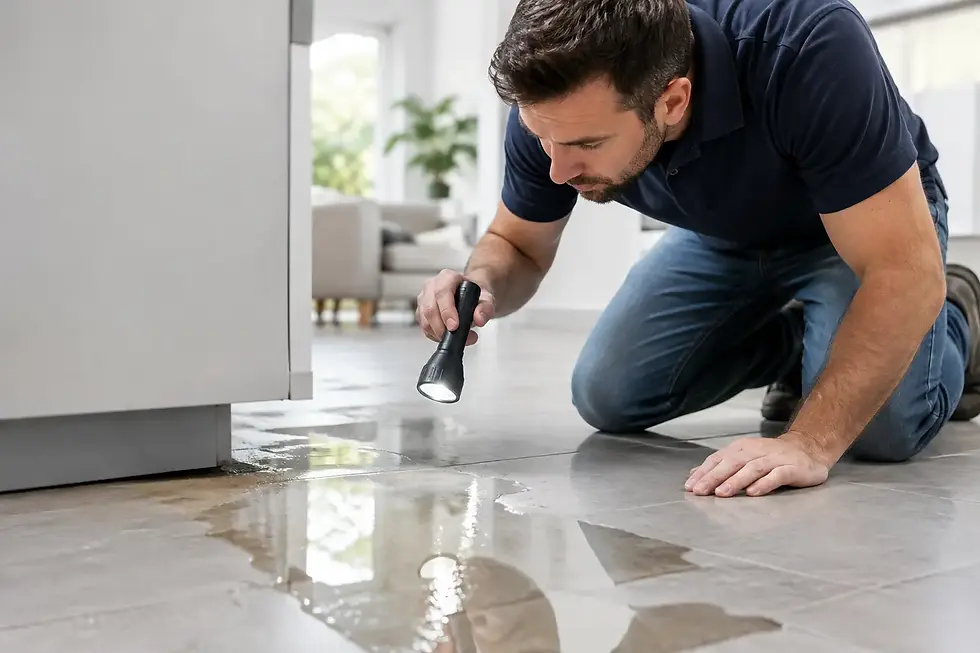
A water heater does not always fail without warning. Rust-colored hot water, moisture around the tank, rumbling noises, declining hot-water capacity, pilot-light trouble, or repeated repairs are all reasons to have the unit inspected. Once a tank begins leaking from corrosion, repair is generally not a reliable long-term solution.
Do not wait for a small leak to turn into damage to flooring, walls, inventory, or finished storage areas. A timely evaluation gives you more choices in model, sizing, and scheduling. An emergency replacement can still be handled, but planning ahead reduces pressure and helps ensure the new heater fits the property correctly.
A qualified plumber can review your current setup, explain the gas and electric options without pushing an unnecessary upgrade, and provide a clear estimate for the work required. JV Mechanical helps property owners make that decision with professional water heater service, straightforward communication, and attention to the details that keep hot water dependable. If your current unit is showing its age, an inspection now can help you choose calmly instead of deciding after the next cold shower.

Comments