
Free Plumbing Estimates Staten Island Homeowners Trust
A plumbing problem rarely arrives at a convenient time. A ceiling stain can appear before work, a water heater can stop producing hot water before guests arrive, or a backed-up drain can interrupt business hours. Free plumbing estimates Staten Island property owners can request give you a practical starting point: a clear conversation about the issue, the likely repair, and the next steps before you commit to the work.
For homeowners, landlords, and business owners, the goal is not simply to find the lowest number. It is to get an honest assessment from a licensed and insured professional who understands the urgency of the problem and can explain the work in plain language.
What a Free Plumbing Estimate Should Include
A useful estimate begins with listening. You should be able to describe what happened, when it began, where you see the problem, and whether water is actively leaking or backing up. That information helps a plumber determine whether the situation needs immediate emergency service or can be scheduled as a standard repair visit.
For straightforward work, a free estimate may include a review of the visible issue, an explanation of the likely repair, the materials that may be needed, and an expected price range or project price. Common examples include replacing a leaking fixture, repairing an exposed pipe, installing a water heater, clearing a routine drain blockage, or addressing a toilet that continues to run.
The estimate should also make the scope clear. Ask what labor and materials are included, whether permits may be required, and what could change the price. Plumbing often involves components behind walls, under floors, or inside older piping systems. A professional can provide an informed estimate, but should also be direct if hidden damage or a deeper obstruction can only be confirmed after access is gained.
That distinction protects everyone. A low quote that ignores likely complications may sound attractive at first, but it can leave a property owner surprised later. A clear estimate recognizes what is known, what needs inspection, and how any additional work will be discussed.
When an Estimate Can Wait and When It Cannot
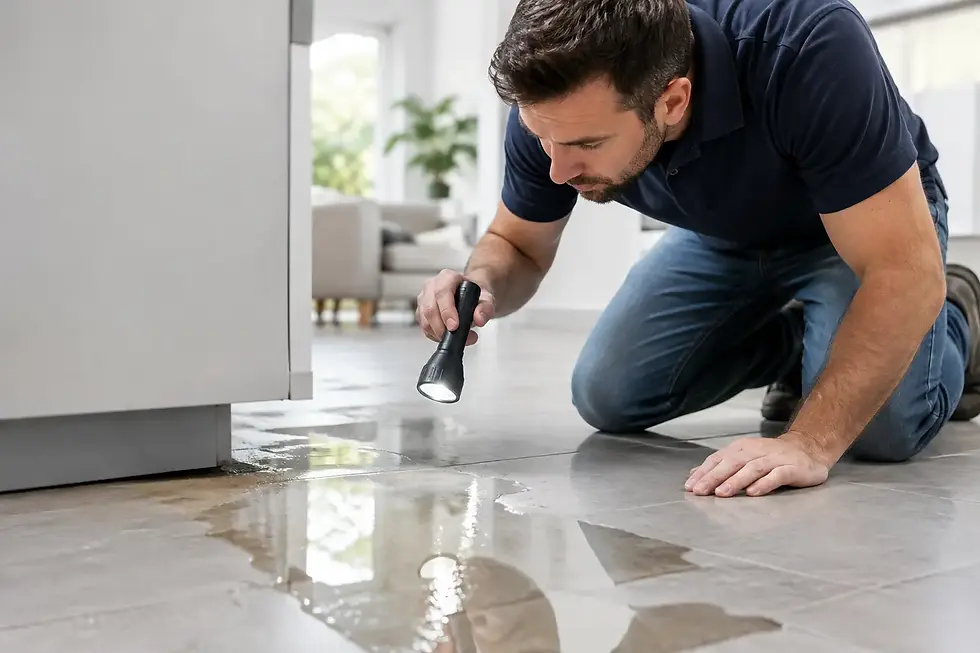
Not every plumbing issue is an emergency, but active water and sewage problems deserve fast attention. If water is pouring from a pipe, a ceiling is bulging, a sewer line is backing up, or a business cannot operate because of a plumbing failure, the first priority is limiting damage and restoring safe service.
In those moments, shut off the water supply if you can do so safely. For a fixture leak, the local shutoff valve may be enough. For a major leak, the main water valve may be necessary. Move valuables away from the area, avoid standing water near electrical outlets, and contact an emergency plumber.
Emergency work can involve a service call or diagnostic charge because a technician may need to respond immediately, locate the source, and take action before a full repair plan can be developed. That does not mean you should accept vague pricing. You should still receive a clear explanation of the immediate work needed to stop the damage and the options for permanent repair.
A slow drain, dripping faucet, minor toilet leak, or aging water heater may allow more time for an estimate. However, waiting too long can turn a manageable repair into damaged flooring, mold concerns, a larger blockage, or a complete equipment failure. If you are unsure, describe the symptoms when you call. A local professional can help you understand the appropriate response.
How to Prepare for Free Plumbing Estimates in Staten Island
You do not need to diagnose the problem before requesting an estimate. In fact, guessing at the cause can sometimes send the conversation in the wrong direction. What helps most is providing accurate details about what you have observed.
Make note of where the problem is located, when it occurs, and whether it affects one fixture or several. For example, a single slow sink may point to a localized drain issue, while toilets and tubs backing up together can suggest a larger drain or sewer line concern. If a leak appears only when a shower is used, mention that. If your water heater is making noise, leaking, or producing inconsistent hot water, share the unit's approximate age if you know it.
Before the appointment, clear access to the affected fixture, water heater, utility area, or drain cleanout when possible. If you manage a rental property or commercial space, make sure the person meeting the plumber has access to mechanical rooms and can answer basic questions about the building's plumbing history.
Photos and short videos can be helpful when requesting a quote, especially for visible leaks or damaged fixtures. They do not replace an on-site inspection when the cause is hidden, but they can help a plumber arrive prepared and identify whether the issue may require urgent attention.
Questions That Help You Compare Plumbing Quotes
A free estimate is your chance to understand the work before scheduling it. The right questions do not need to be technical. Focus on communication, qualifications, and the repair plan.
Ask whether the contractor is licensed and insured, what repair is recommended, and why that approach is appropriate. If there are multiple options, ask about the difference in cost, expected service life, and timing. For example, repairing a section of pipe may be appropriate in one situation, while replacing a heavily corroded run may make more sense if repeated leaks are likely.
You should also ask whether the estimate covers labor and materials, whether the price is fixed or based on time and materials, and whether there are conditions that could affect the final total. If a permit or inspection is needed, a professional should explain that early in the process.
For water heater work, discuss fuel type, capacity, venting, installation requirements, and removal of the old unit. For drain cleaning, ask whether the issue appears to be a simple blockage or whether camera inspection or further evaluation may be needed. The best recommendation depends on the condition of the system, not just the symptom you can see.
Why Local Experience Matters for Your Property
Staten Island properties vary widely. A plumber may be working in a newer South Shore home one hour and an older building with aging pipes, tight access, or previous repairs the next. That experience matters when estimating a job accurately and choosing a repair that fits the property.
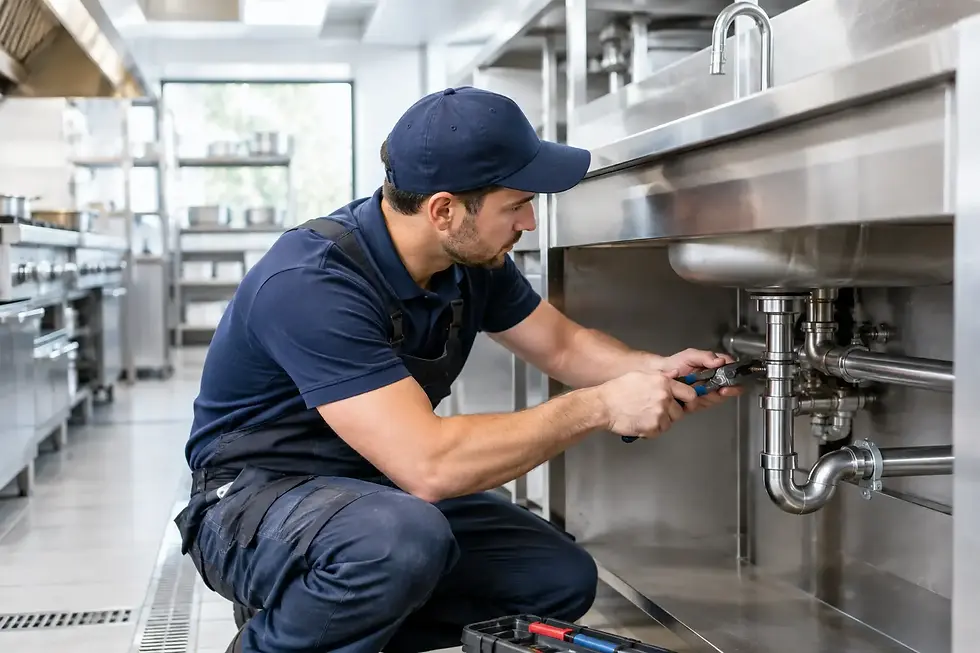
Older homes may have galvanized, cast-iron, or mixed piping that requires a more careful assessment. Finished basements, renovated kitchens, and concealed plumbing can affect access and labor. Commercial properties may have tenant schedules, public restrooms, grease-related drain concerns, or the need to keep operations moving while repairs are completed.
A local contractor should treat those details as part of the job, not as an inconvenience discovered after the appointment begins. Clear communication about access, timing, shutoffs, and the extent of the work helps prevent unnecessary disruption.
Choosing Value Over the Cheapest Number
Price matters, especially when a repair was not planned. Still, the cheapest estimate is not always the best value. A quote that leaves out key materials, does not address the source of a recurring leak, or comes from an uninsured contractor can create far more expense later.
Look for professional conduct from the first conversation. The contractor should answer questions directly, respect your property, explain the work without pressure, and provide a reasonable plan for completing it. For larger repairs, it may make sense to compare estimates. For a serious leak or backup, speed, safety, and accountability may matter more than waiting for multiple appointments.
JV Mechanical approaches estimates with the same standard it brings to repair work: professional service, straightforward communication, and respect for the customer’s property. Whether the issue is a clogged drain, a failed water heater, a persistent leak, or a plumbing concern that needs a closer look, the purpose of the estimate is to give you a reliable path forward.
When you notice a plumbing problem, acting early gives you more options. A clear estimate from a qualified local plumber can turn an uncertain situation into a planned repair and help protect the home or business you depend on.

Comments